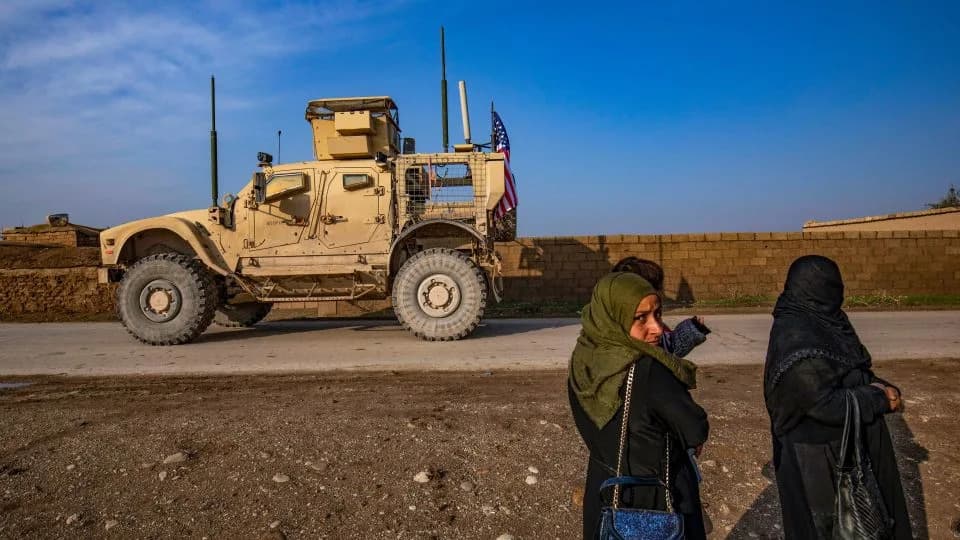
Reports from MS NOW, Politico, Axios and The New York Times indicate that roughly 300 FBI national-security agents have departed since President Trump returned to office, including 45 firings, and that the Justice Department's counterespionage unit has been halved. Pentagon oversight and civilian-protection teams were sharply reduced, and a Ukrainian offer of drone-defense technology was reportedly dismissed before being reconsidered. Collectively, these pre-combat personnel and policy choices have raised concerns about increased security vulnerabilities and strategic miscalculations.
Pre-Combat Missteps Leave U.S. Security Hollowed as War in Iran Escalates
As the war in Iran continues, a series of personnel and policy decisions across U.S. security agencies have prompted concern that critical capabilities were weakened just as threats mounted.
Departures at the FBI and Justice Department
MS NOW reports that roughly 300 FBI agents who primarily handled national-security work have left the bureau since President Donald Trump returned to the White House, including 45 who were fired. The outlet noted that "most of those agents hunted terrorists and spies, and at least 50 of them were in leadership roles," a loss that the report says creates vulnerabilities at a perilous moment. MS NOW also reported that the Justice Department's elite counterespionage section has been reduced by roughly half due to firings and resignations.
Pentagon Cuts and Civilian Protection
Politico reported that Defense Secretary Pete Hegseth slashed Pentagon oversight offices that did not align with his stated focus on "lethality," including units tasked with limiting harm to civilians. According to multiple sources cited by Politico, the Civilian Protection Center of Excellence was cut by about 90% before the conflict, and the Central Command team responsible for civilian-casualty issues in the Middle East fell from 10 people to one. Critics say these cuts have degraded the U.S. ability to monitor and mitigate civilian harm during a major air campaign.
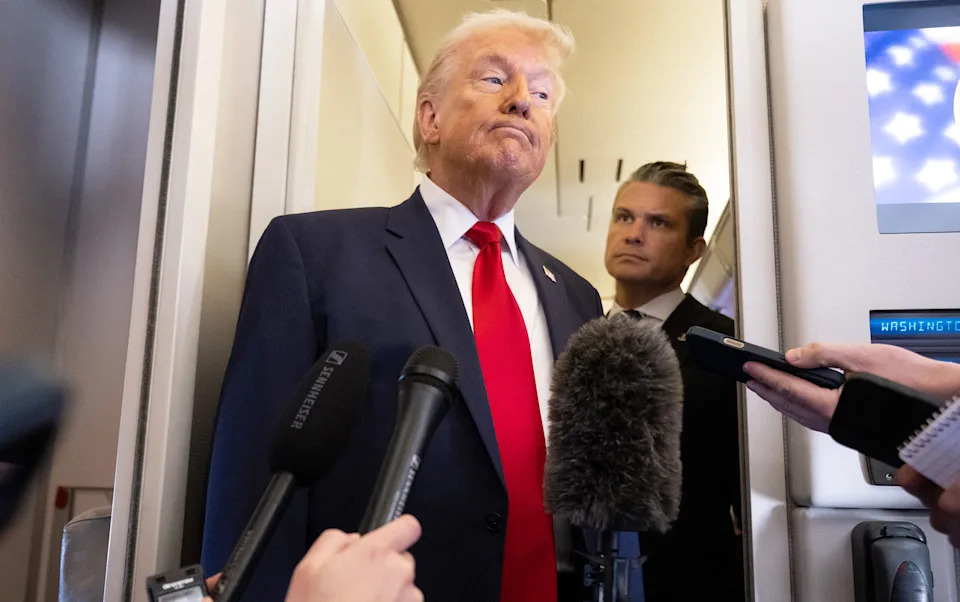
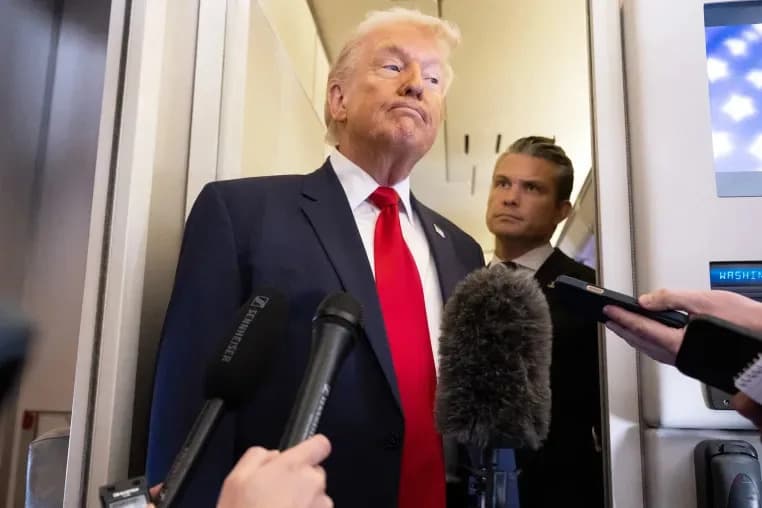
President Donald Trump speaks with the media as Defense Secretary Pete Hegseth looks on aboard Air Force One on March 7, 2026.(Saul Loeb / AFP via Getty Images)
Missed Opportunity on Drone Defense
Axios reported that Ukrainian officials nearly seven months ago offered "battle-proven technology for downing Iranian-made attack drones," an offer the Trump administration initially dismissed and only revisited after Iran conducted more drone strikes than expected. Two U.S. officials told Axios that ignoring that offer was "one of the biggest tactical miscalculations by the administration" to date.
Wider Consequences
The New York Times also reported that the administration showed limited concern that a war in Iran could disrupt oil supplies in the Middle East and unsettle energy markets—a scenario that later unfolded. Taken together, these accounts sketch a pattern of pre-combat personnel and policy choices that appear to have reduced institutional capacity and complicated the U.S. response to evolving threats.
Note: Some details summarized here come from reporting by MS NOW, Politico, Axios and The New York Times; a number of the original pieces note that certain facts have not been independently verified.
Observers warn that these decisions could have lasting effects: undermining operational readiness, eroding public confidence, and raising questions about whether critical security functions were sufficiently preserved ahead of escalating conflict.
Help us improve.