A French UNICEF aid worker, Karine Buisset, was killed in a reported drone strike in Goma, a city held by the Rwanda-backed M23 militia. UN peacekeepers said two civilians also died, but the origin of the strikes remains unclear. Both the Congolese army and M23 have used explosive drones in the long-running conflict over eastern DRC's mineral-rich provinces. International concern is high, with recent US sanctions linked to alleged foreign support for the M23.
French UNICEF Aid Worker Killed in Drone Strike in M23-Held Goma; Origin of Attack Unclear
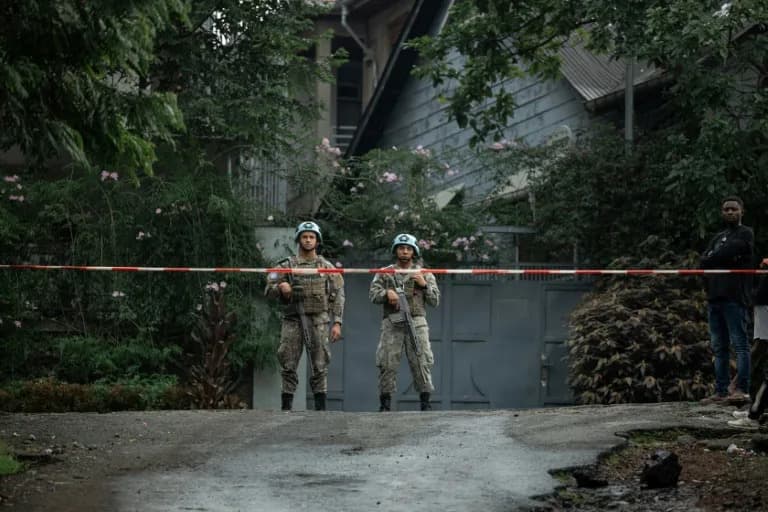
UN peacekeepers stand guard near a residence damaged by a drone strike in Goma, in eastern DR Congo (Jospin Mwisha)(Jospin Mwisha/AFP/AFP)
A French humanitarian worker for UNICEF, identified as Karine Buisset, was killed in a reported drone strike in Goma, the capital of North Kivu province in eastern Democratic Republic of Congo (DRC). The strike occurred in a residential neighbourhood of Himbi, a part of the city that houses many expatriates and humanitarian staff. UN peacekeepers said two civilians were also killed in overnight strikes.
Incident Details
According to humanitarian sources and rescue teams at the scene, the strike hit a house where Buisset was staying. Firefighters, UN staff and M23 representatives attended the damaged, partially burnt building early on Wednesday. Emergency crews said they had not yet identified debris from a drone or other projectile.
"Civilians, including aid workers, must never be targeted," said UNICEF Executive Director Catherine Russell, who called the agency "devastated and outraged" by the killing.
French President Emmanuel Macron expressed condolences on X, saying: "A French UNICEF humanitarian worker has been killed in Goma. I extend the nation's support and sympathy to her family, loved ones and colleagues." European Union crisis management commissioner Hadja Lahbib also reported that a drone struck a residential building housing aid workers.
Who Carried Out the Strike?
The origin of the strikes remains unclear. An M23 spokesman accused the Congolese authorities of carrying out the attack; Congolese officials had not issued an immediate comment. Security sources told AFP they believed the strikes aimed at officials or allies of the armed group and suggested the house may have been hit by mistake.
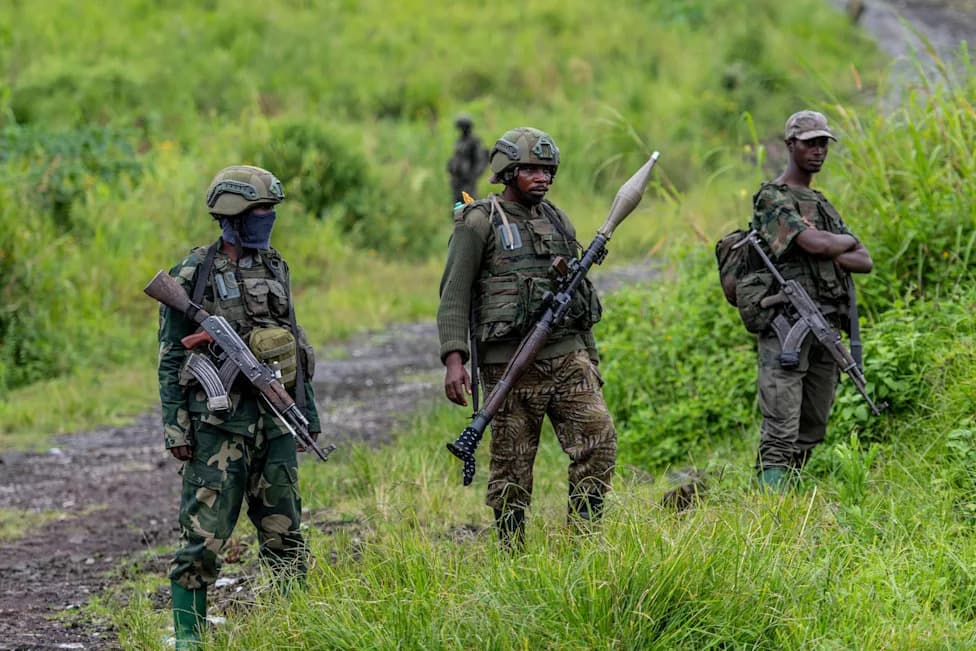
Both parties in the conflict — the Congolese army and the M23 — have used explosive drones. The Congolese army regularly conducts long-range drone strikes from bases located several hundred kilometres from Goma, while M23 fighters have also deployed explosive drones on front lines.
Wider Context
Since resuming armed operations in 2021, the Rwanda-backed M23 militia has seized large parts of eastern DRC, a mineral-rich region long plagued by violence. The M23 captured Goma in an offensive in early 2025. UN experts have alleged that the group helps control access to critical mineral deposits, including coltan, which is used in mobile phones and electric vehicle batteries.
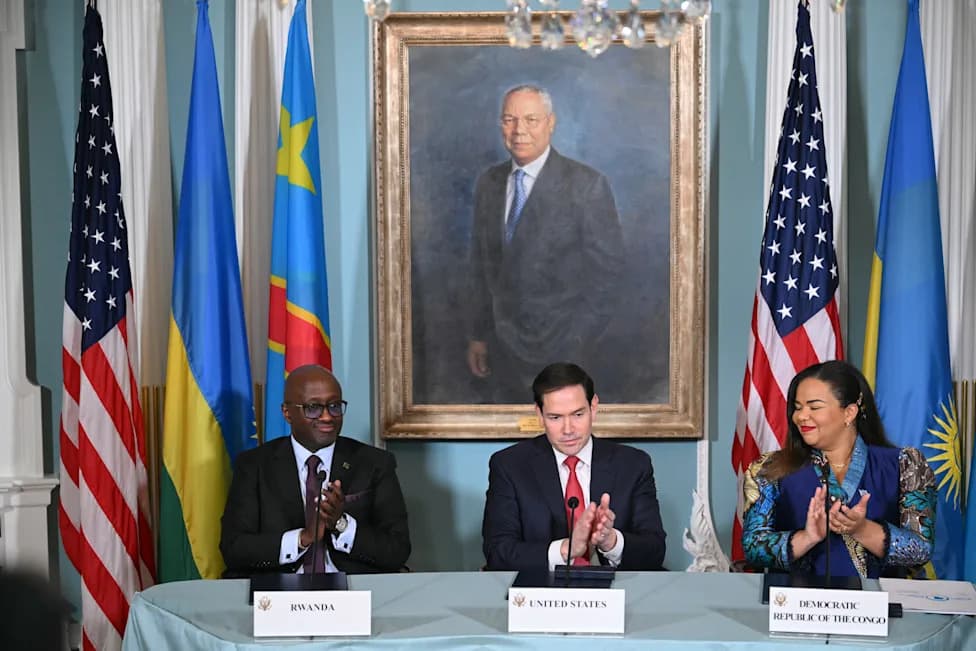
In recent months the conflict has drawn international attention: the United States announced sanctions on elements of the Rwandan army in response to alleged support for M23. Rwanda denies backing the group and says it faces security threats from armed factions linked to the 1994 genocide.
Related Incidents
In early March, the M23 announced that one of its spokesmen, Willy Ngoma, had been killed in a drone strike near the Rubaya mine, a site reportedly under M23 control and a significant revenue source for the group.
What Remains Unclear
Investigations are ongoing. Emergency teams reported no identifiable drone debris at the site, and no definitive attribution has been made public. The incident highlights the acute danger facing humanitarian personnel operating in conflict zones where drones and explosive devices are increasingly used.
Support And Next Steps
Authorities, humanitarian organisations and international bodies are likely to seek clarification and accountability as part of ongoing efforts to protect civilians and aid workers. For now, the death of Karine Buisset underscores the risks facing those delivering lifesaving assistance amid a volatile regional conflict.
Help us improve.