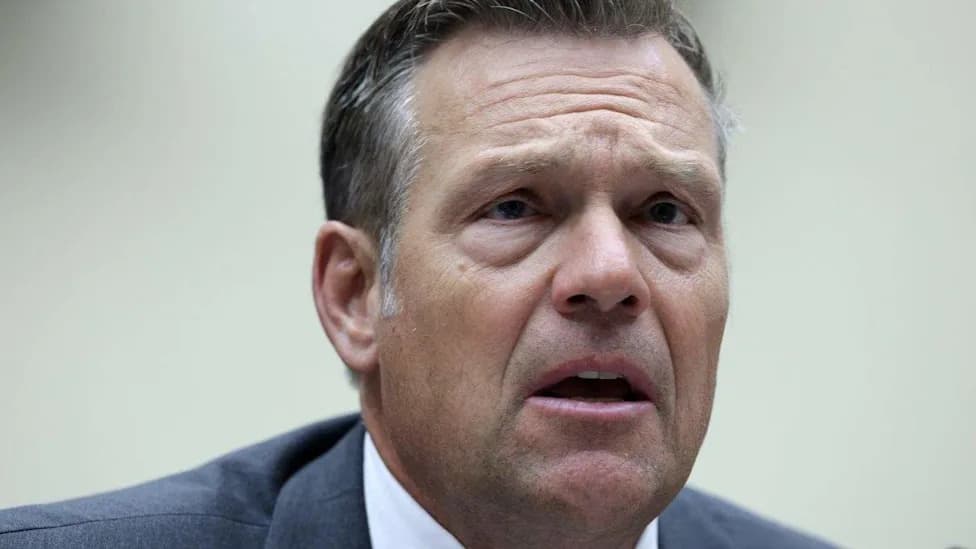
Kansas enacted a law that retroactively voided about 1,700 driver’s licenses and some birth certificates for people who had updated gender markers. Recipients were told to surrender affected IDs or obtain replacements listing sex assigned at birth and were warned of potential penalties. Two anonymous plaintiffs sued, but a Douglas County judge declined to block the law while the case proceeds. Advocates warn the change raises the risk of stigma and harassment; lawmakers and state officials say the measure protects women and enforces state law.
Kansas Retroactively Voids About 1,700 Transgender IDs, Prompting Lawsuit and Fears of Exodus
Justine Goode / NBC News; Getty Images(Justine Goode)
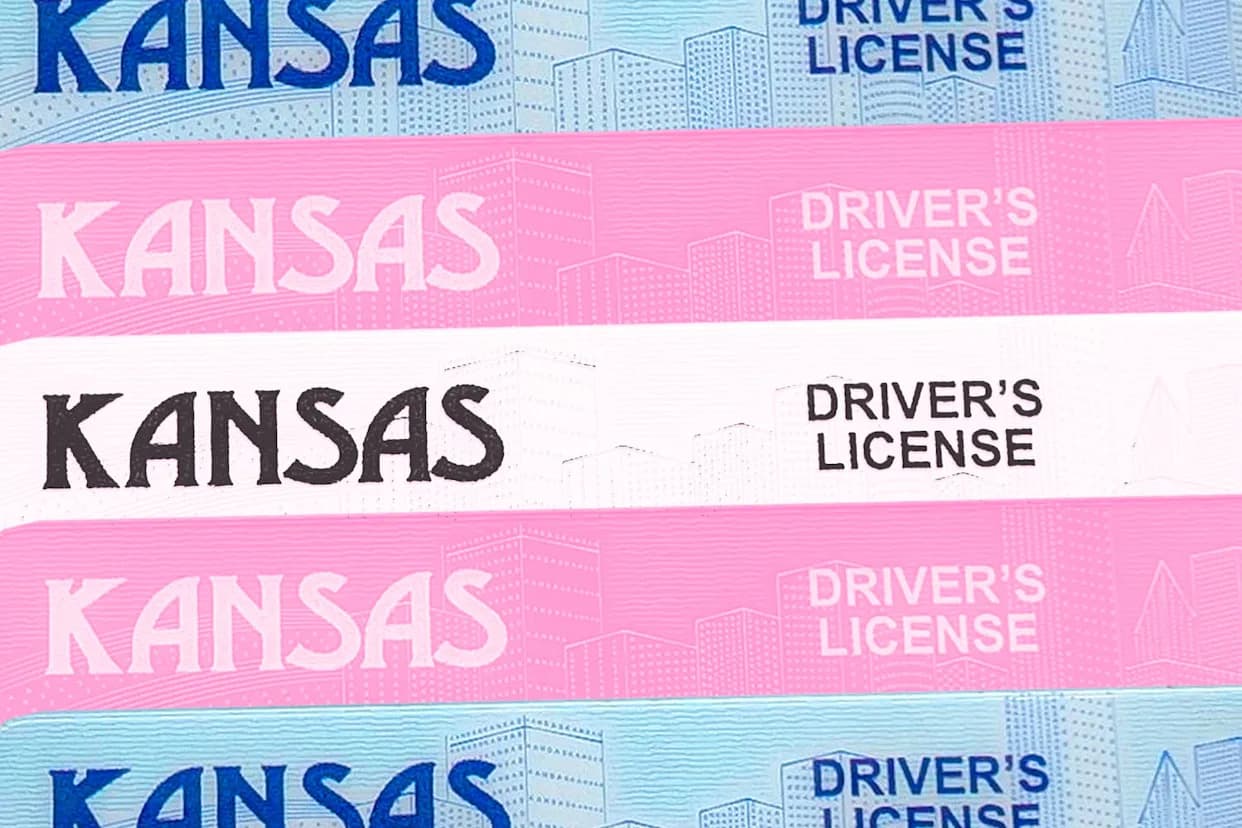
About 1,700 Kansas residents had driver’s licenses and some updated birth certificates declared invalid after the state enacted a law that retroactively cancels IDs with changed gender markers. Officials say affected people must surrender those documents or obtain new ones listing the sex assigned at birth; recipients were warned they could face penalties if they continue to use invalidated IDs.

Jaelynn Abegg, a singer-songwriter who also drives for Lyft, said she is moving because of Kansas' new law. (Courtesy Jaelynn Abegg)(Courtesy Jaelynn Abegg)
What the Law Does
The statute, published in the state register on Feb. 26 and taking effect immediately, prohibits changing the gender marker on state-issued IDs and retroactively invalidates previously updated gender markers and some corrected birth certificates. Kansas is the first state to cancel already-changed IDs by law; several other states have restricted future changes.
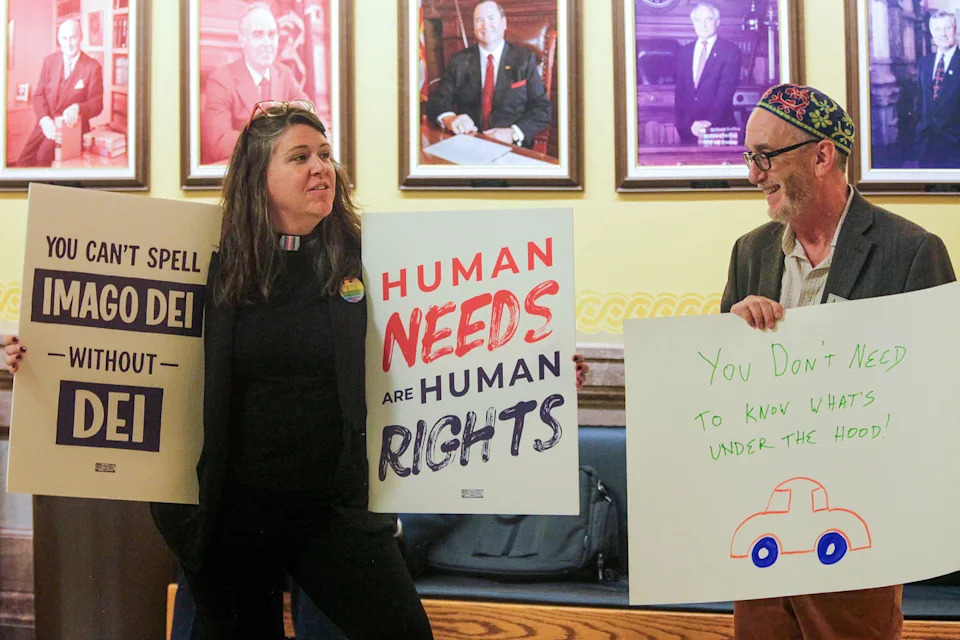
Protesters in Topeka spoke out against the Kansas law that invalidates hundreds of driver's licenses and birth certificates for transgender people. (John Hanna / AP)(John Hanna)
Impact on Residents
Hundreds of transgender Kansans received letters informing them their documents were "invalid immediately" and instructing them to surrender the IDs to the Kansas Division of Vehicles and obtain replacements listing their birth sex. The Kansas Department of Revenue told the Kansas Reflector the law invalidated roughly 1,700 licenses. Attorney General Kris Kobach said the department mailed notices to 275 people, and that 138 had already received new licenses listing their birth sex.
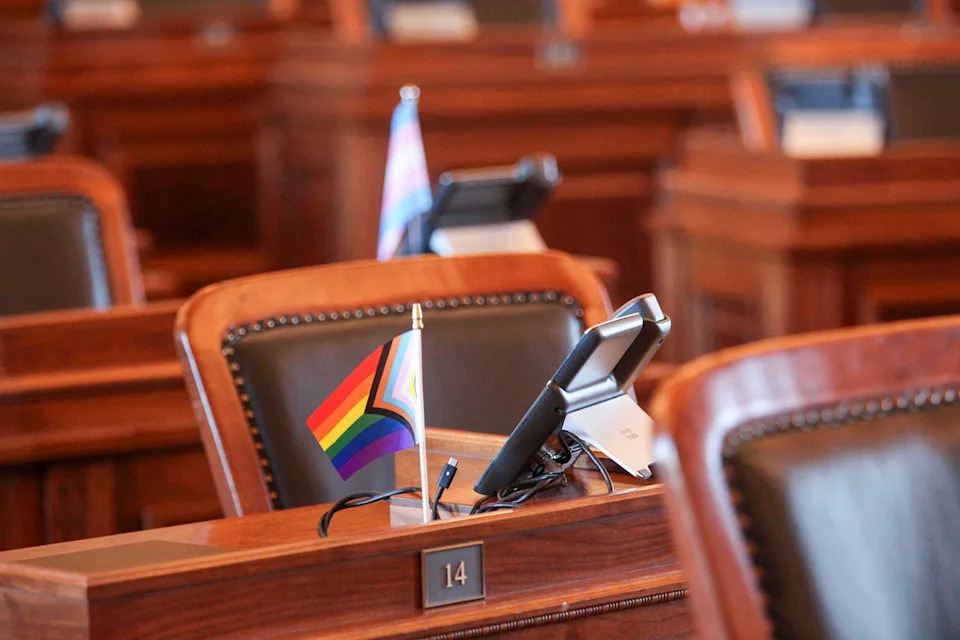
A flag promoting LGBTQ rights sits in the House chamber as Republicans prepare to push for a ban on gender-affirming care for transgender minors last year. (John Hanna / AP)(John Hanna)
"I’m pretty heartbroken," said Jaelynn Abegg, a 41-year-old trans woman in Wichita who received a notice. She said she will not surrender her license and plans to move to another state.
Legal Challenge
Two anonymous transgender residents sued the state, arguing the law violates state protections for personal autonomy, privacy, equality, due process and freedom of speech. Douglas County District Judge James McCabria declined to issue a temporary restraining order to halt the law while the case proceeds, saying plaintiffs had not shown sufficient evidence that required use of IDs or restrooms that conflict with gender identity would lead to harassment or discrimination.

Andrea Ellis, a maintenance technician living in Wellington, said she had to make two trips to the DMV to get temporary licenses. (Courtesy Andrea Ellis)(Courtesy Andrea Ellis)
Political Context and Reaction
The measure passed after the Republican-controlled Legislature overrode Democratic Gov. Laura Kelly’s veto. Gov. Kelly had said lawmakers should not dictate restroom use and should focus on affordable living. Supporters said the law protects women and girls; House Speaker Daniel Hawkins said the change was intended to protect women. State Rep. Mark Schreiber, the only Republican to vote against the bill, said the state had not shown that allowing gender-marker changes caused harm.
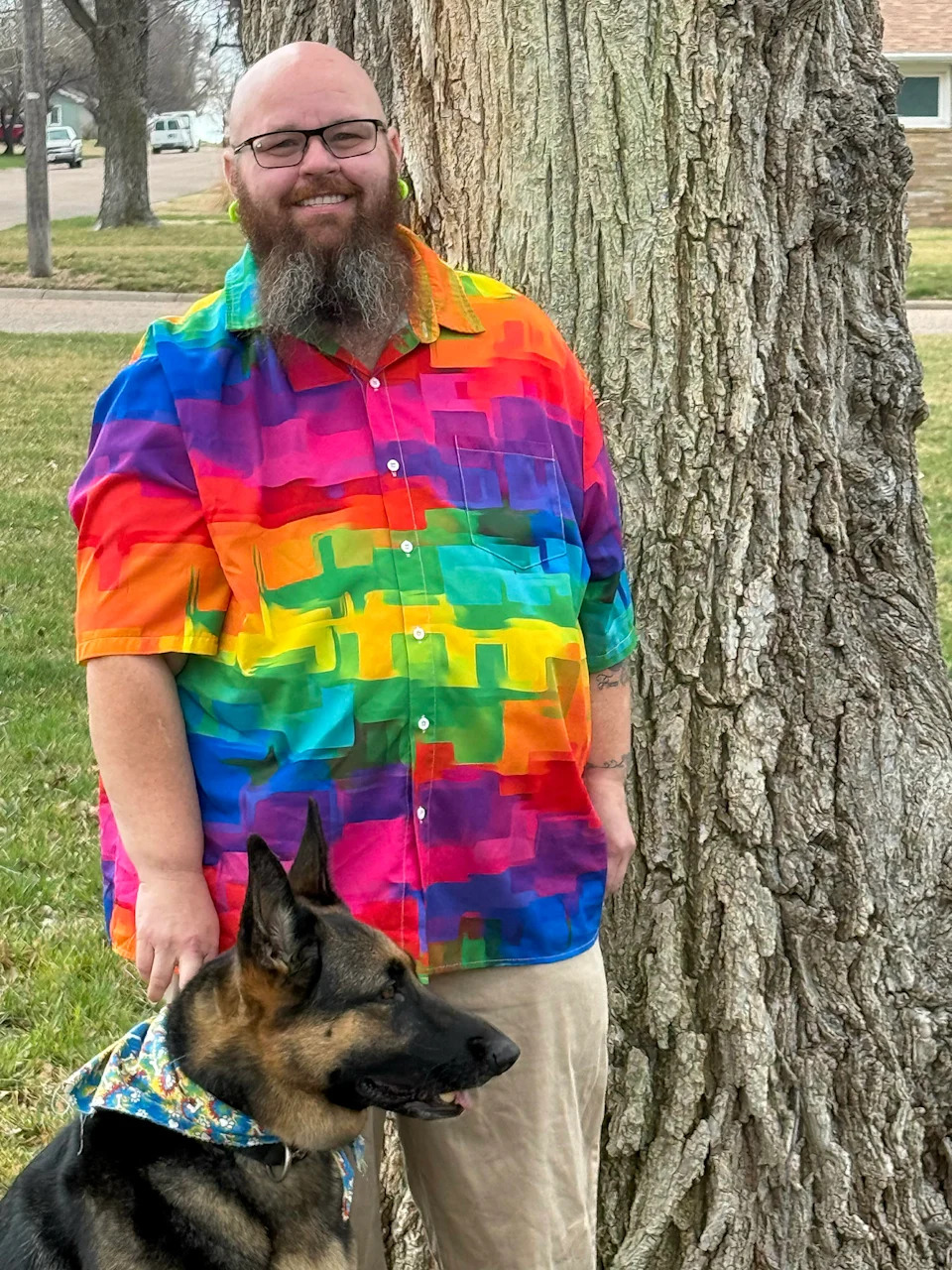
Matthew Neumann and his service dog, Zelda. Neumann helped organize a "pee-in" in the State Capitol bathrooms last month to protest the law. (Courtesy Matthew Neumann)(Courtesy Matthew Neumann)
On-the-Ground Confusion and Costs
Trans Kansans described confusion and inconsistent responses at DMV offices. Andrea Ellis, who changed only her name and never her gender marker, said DMV staff flagged her record, issued temporary licenses twice, and gave conflicting information. Some residents reported not yet receiving notice and are monitoring their license status online.
Practical costs are small but consequential for some: updating a gender marker costs $8.75, while obtaining a new ID is $26. Local groups have begun fundraising to help affected residents pay fees and navigate DMV procedures.
Voices and Concerns
Advocates warn the change increases the risk of stigma, discrimination and daily harassment for transgender people presenting IDs that do not match their gender identity. Harper Seldin of the ACLU said the Legislature "singled out transgender Kansans for unique social stigma" by forcing them to obtain IDs that could disclose they are transgender to bank tellers, poll workers and others.
Logan Casey of the Movement Advancement Project described the trend in several states as "gender regulation laws" aimed at restricting transgender people’s access to identity documents and public life.
Next Steps
The lawsuit will continue to move through state court. Meanwhile, affected Kansans face immediate choices: surrender their documents, obtain new ones listing sex assigned at birth, or continue to use IDs that state officials have declared invalid and risk potential penalties. Some say they will leave the state; others say they will remain and fight the policy in court and through public advocacy.
This article is based on reporting originally published at NBCNews.com and subsequent local coverage.
Help us improve.