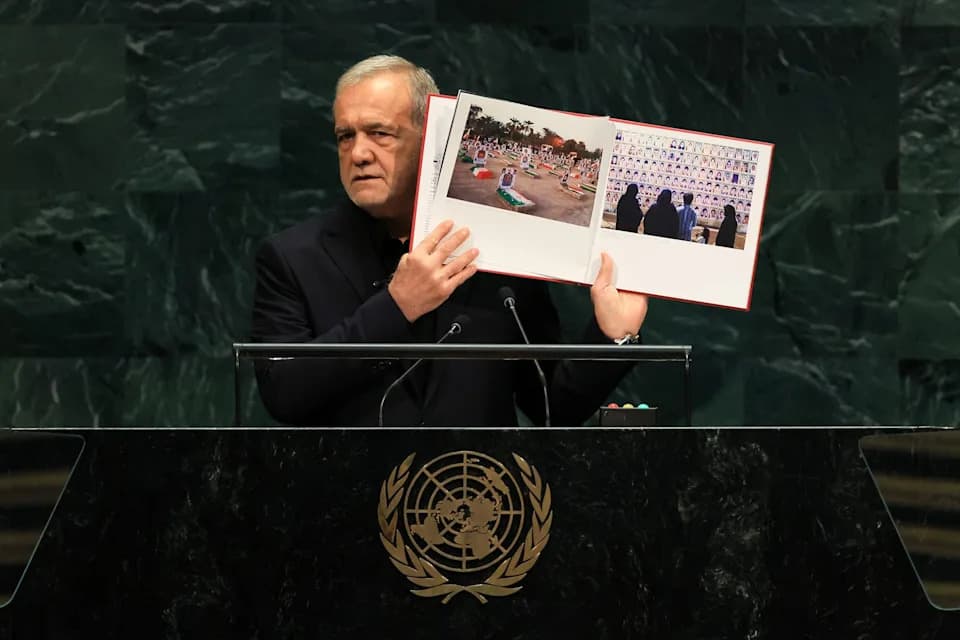
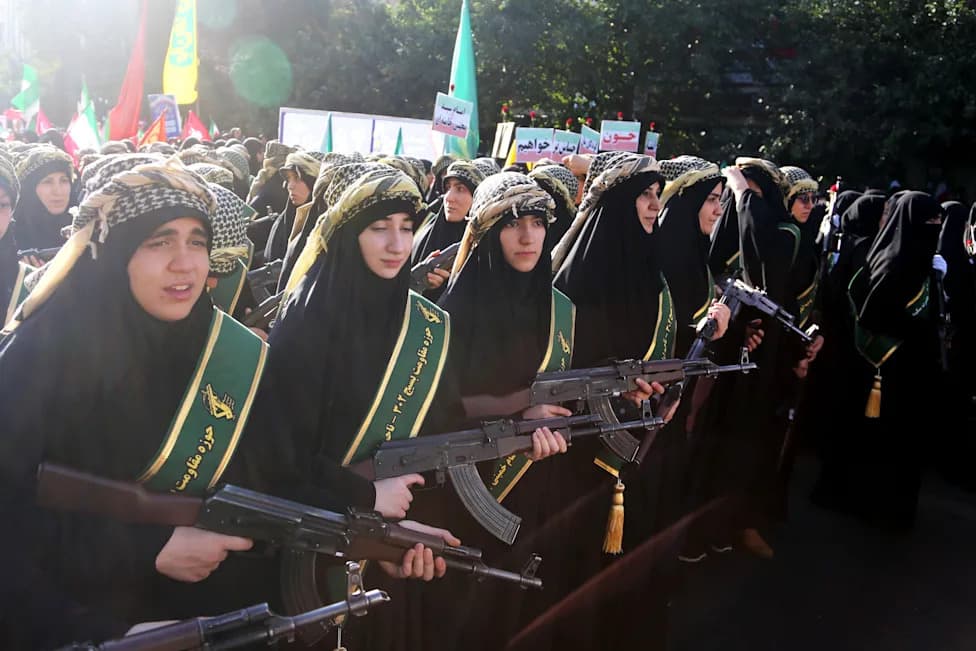
The Gulf region has seen a sharp escalation: Iran fired missiles and drones at targets across the Gulf, striking Saudi oil facilities and a vessel near the UAE, while U.S. and Israeli forces struck targets inside Iran. Maritime traffic through the Strait of Hormuz has been disrupted after reported attacks and U.S. actions against vessels capable of laying mines. Six members of Iran’s women’s football team accepted humanitarian visas in Australia while the rest of the squad awaits travel arrangements in Kuala Lumpur. Rumors about the health of Iran’s new supreme leader circulated but remain unconfirmed.
Escalation In The Gulf: Iran Strikes Regional Targets As Six Iranian Women’s Footballers Seek Asylum
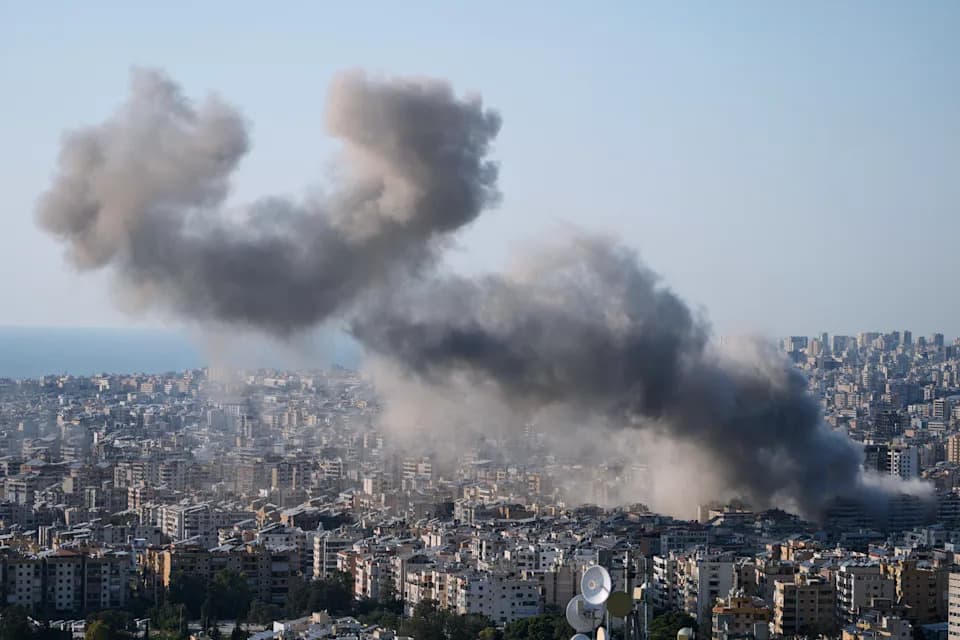
Smoke rise from an Israeli airstrike in Dahiyeh, Beirut's southern suburbs, Lebanon, Tuesday, March 10, 2026. (AP Photo/Bilal Hussein)(ASSOCIATED PRESS)
Iran launched missiles and drones at targets across the Gulf, including Saudi oil infrastructure and a vessel near the United Arab Emirates, as U.S. and Israeli forces struck sites inside Iran. Regional authorities reported intercepting multiple drones, while maritime traffic through the Strait of Hormuz — a vital global oil route — has been disrupted amid reports of attacks and countermeasures.
Key Military and Maritime Developments
Saudi Arabia said it intercepted several drones aimed at the Shaybah oil field and other facilities, and Kuwait reported shooting down multiple drones over its territory. The United Kingdom Maritime Trade Operations (UKMTO) center reported that a cargo or container vessel was hit and set ablaze in the Strait of Hormuz; the crew was reported to be evacuating. Another attack was reported off Ras al-Khaimah in the UAE.
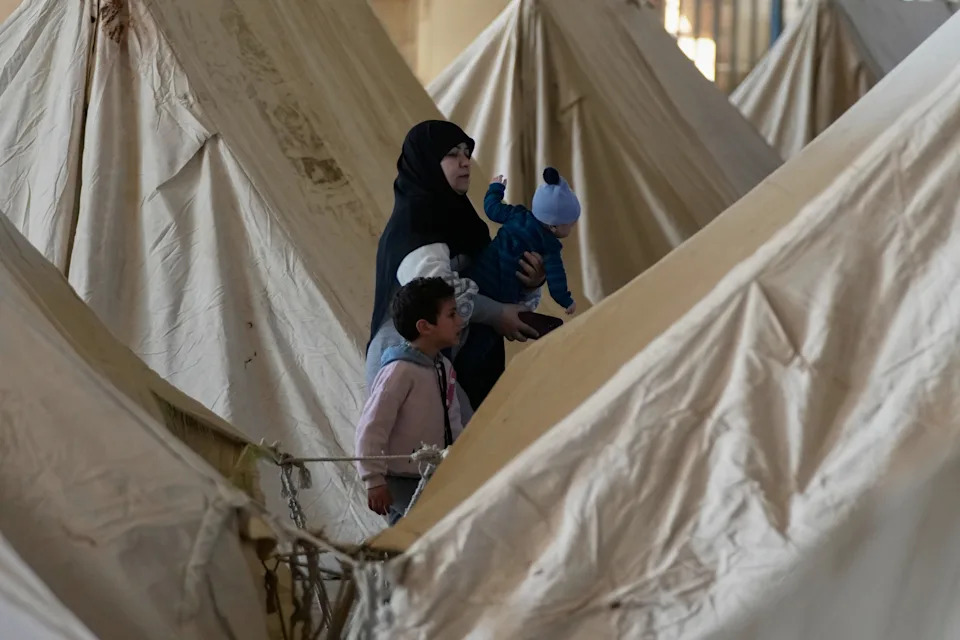
A displaced woman holds a child as another stands beside her between rows of tents at the Camille Chamoun Sports City Stadium, which has been turned into a shelter for people displaced by Israeli airstrikes in southern Lebanon and Dahiyeh, Beirut's southern suburbs, in Beirut, Lebanon, Tuesday, March 10, 2026. (AP Photo/Hassan Ammar)(ASSOCIATED PRESS)
U.S. officials said American forces disabled more than a dozen Iranian vessels reportedly capable of laying mines, a move described as intended to protect shipping through the strait. Security monitors noted several "dark" ship transits — vessels operating with AIS trackers turned off — and commercial trackers such as Kpler reported Iran resumed crude exports via the Jask terminal on the Gulf of Oman.
Regional Responses and Incidents
Qatar warned the public of a possible Iranian attack after residents and journalists in Doha reported hearing explosions and air defenses being activated. Qatar's Minister of State for Foreign Affairs, Mohammed bin Abdulaziz al-Khulaifi, said Doha could not play a mediating role while under attack.
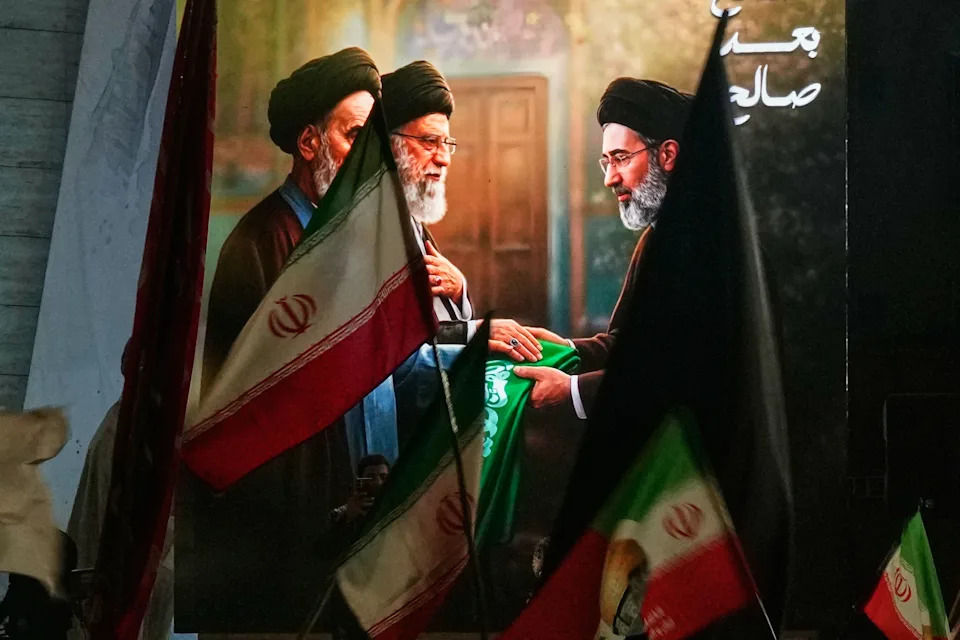
Protesters wave Iranian flags and hold a portrait of the late Iran's Supreme Leader Ayatollah Ali Khamenei and his son Ayatollah Mojtaba Khamenei to support his selection as the new Iran's Supreme Leader in Baghdad, Monday, March 9, 2026. (AP Photo/Hadi Mizban)(ASSOCIATED PRESS)
Russia said its consulate in Isfahan was damaged in strikes that struck central Iranian targets; Russian authorities reported no serious injuries. In Lebanon, Israeli strikes hit a multistory building in the Aicha Bakkar area of central Beirut. Local footage showed floors of the building in flames; there were no immediate, independently verified casualty figures.
Leadership Rumors In Tehran
Speculation circulated about the health of Iran’s newly installed supreme leader, Mojtaba Khamenei, after the son of Iran’s president posted that he had heard reports Khamenei had been injured. The post quoted contacts who later said the supreme leader was “healthy” and that there was no problem. The report remains unverified, and authorities have not provided detailed confirmation.
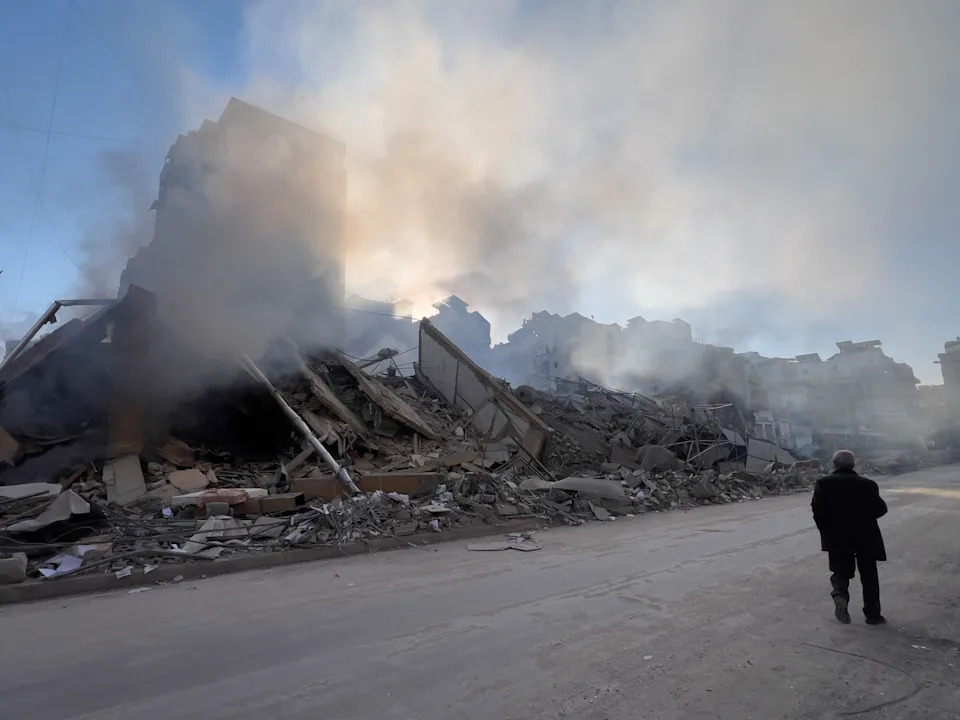
A man passes in front of a destroyed building that housed a branch of Al-Qard Al-Hassan, a non-bank financial institution run by Hezbollah, which was hit by an Israeli airstrike in Dahiyeh, Beirut's southern suburbs, Lebanon, Tuesday, March 10, 2026. (AP Photo/Hussein Malla)(ASSOCIATED PRESS)
“I heard news about Mr. Mojtaba being injured. I asked friends who were in contact. They said, thank God, he is healthy and there is no problem.” — Yousef Pezeshkian (via Telegram)
Iran Women’s Team: Asylum And Return Plans
The Iranian women’s national football squad has been at the center of separate diplomatic and humanitarian developments. The team regrouped in Kuala Lumpur and is awaiting flights back to Iran once airspace and travel arrangements are confirmed, Iran’s embassy in Malaysia said. The Asian Football Confederation said it was assisting the players while they remain in a hotel in the Malaysian capital.
In Australia, Home Affairs Minister Tony Burke confirmed that six members of the Iranian squad accepted humanitarian visas and will remain in Australia after being offered asylum. Two players were reported to have accepted asylum offers before the rest of the delegation departed Sydney; one player who had earlier been reported as granted asylum later indicated she planned to return to Iran. The departure from Sydney occurred amid heated protests by Iranian Australians who said they feared for the players’ safety if they returned home.
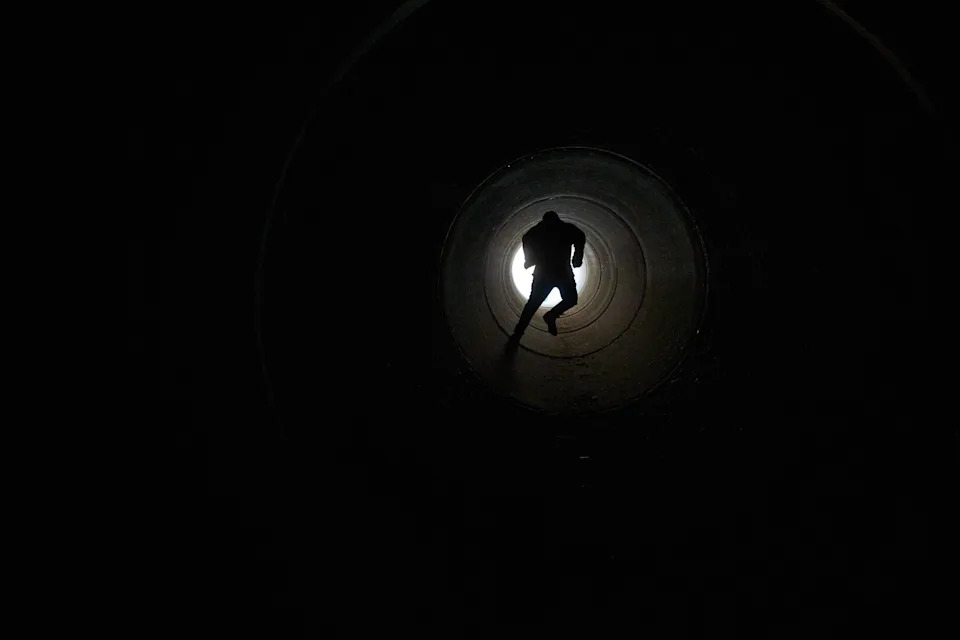
A boy runs inside cement pipe turned into a bomb shelter as air raid sirens warn of incoming Iranian missile strike in Michmoret, Israel, Tuesday, March 10, 2026. (AP Photo/Ariel Schalit)(ASSOCIATED PRESS)
Context And Implications
The Strait of Hormuz is a chokepoint for global energy flows, and any sustained disruption raises the risk of price volatility and supply impacts — particularly in energy-dependent Asian markets. Analysts and maritime-security firms caution that "dark" transits and resumed exports from terminals such as Jask complicate efforts to track crude flows and enforce sanctions.
With multiple states reporting defensive actions and with both regional and extra-regional powers conducting strikes, the situation remains volatile and fast-moving. Independent verification of many battlefield claims is limited; readers should expect updates as governments, militaries and commercial trackers release further information.
Note: This article synthesizes multiple, sometimes conflicting reports from regional governments, military reporting centers, commercial maritime trackers, and news agencies. Some claims remain unverified and are presented with caution where indicated.
Help us improve.