The latest Quinnipiac poll finds 53% of Americans oppose the U.S. military operation against Iran, while 40% support it. A series of national polls reveal a sharp partisan split: most Republicans back the strikes, whereas most Democrats and many independents oppose them. Nearly three-quarters of voters reject sending U.S. ground troops, and most respondents do not expect the fighting to end quickly. President Trump has downplayed the polls and described the operation as an "excursion."
New Polls Show Majority Oppose Trump's Strikes on Iran as Partisan Divide Widens
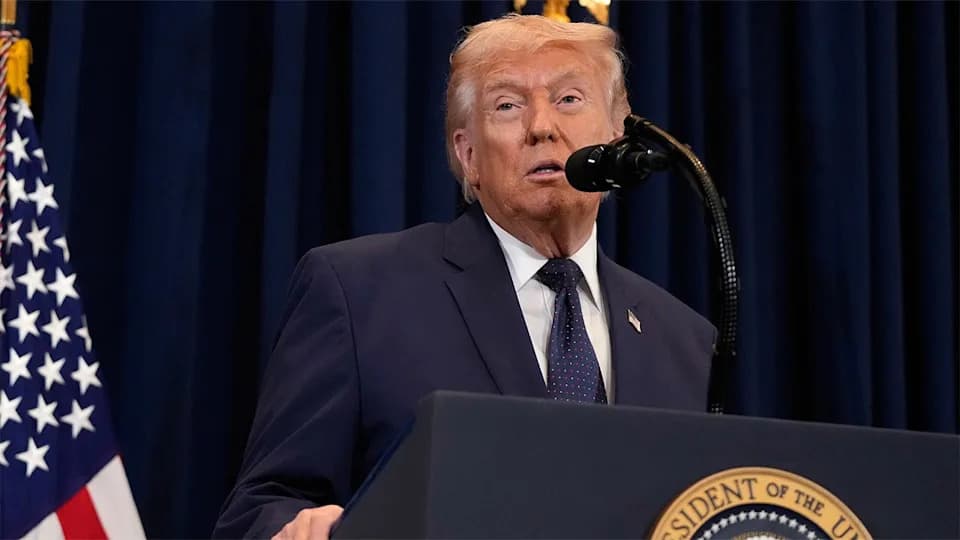
A week and a half into the U.S. and Israeli strikes against Iran, the latest national public opinion poll indicates that more than half of American voters oppose U.S. military action.(AP Newsroom)
Around 10 days after coordinated U.S. and Israeli strikes on Iran began, new national surveys show growing public unease: a Quinnipiac University poll found a majority of Americans oppose the U.S. military operation, while other polls report mixed results.
What the Polls Found
The Quinnipiac poll, conducted Friday through Sunday in Connecticut, reported that 53% of respondents opposed the U.S. operation, dubbed Epic Fury, while 40% supported it. Media reports say the strikes have killed Iran's Supreme Leader, Ayatollah Ali Khamenei, and severely damaged much of the country's military capabilities; those reports are reflected in public debate about the campaign.
Other recent national surveys largely indicate minority support for continued U.S. military action: NPR/PBS/Marist (44%–55% oppose/support), CBS News (44%–56%), NBC News (41%–54%), The Washington Post (39%–52%), CNN (41%–59%) and Reuters/Ipsos (27%–43%). The most recent Fox News poll (Feb. 28–Mar. 2) found Americans evenly split at 50% in favor and 50% opposed. Separate polls over the past week and a half produced mixed outcomes, with three showing majority or plurality support for the operation.
Sharp Partisan Split
All of the surveys underline a pronounced partisan divide. The Fox News poll reported that more than eight in 10 Republicans approve of the U.S. use of force, and roughly six in 10 Republicans said the president's actions on Iran made the United States safer. By contrast, nearly eight in 10 Democrats and about six in 10 independents disapproved of the strikes and said they believed the country was less safe because of President Trump’s conduct.
Quinnipiac reflected the same pattern: an overwhelming majority of Democrats and six in 10 independents opposed the strikes, while 85% of Republicans backed the military action.

Plumes of smoke rise following reported explosions in Tehran, Iran, on March 2, 2026.
Threat Perception and Ground Troops
The Quinnipiac survey asked whether Iran posed an imminent military threat to the United States prior to the attacks. Fifty-five percent said they did not believe Iran posed an imminent threat, while nearly four in 10 disagreed. That perception also split by party: 83% of Democrats and 63% of independents said Iran did not pose an imminent threat before the strikes, compared with nearly three-quarters of Republicans who said Tehran did represent an immediate danger.
On the prospect of deploying U.S. ground forces to Iran, partisan differences largely disappeared. Nearly three-quarters of voters opposed sending U.S. ground troops: 95% of Democrats, 75% of independents and 52% of Republicans were against ground deployment.
How Long Will the Fighting Last?
Respondents were pessimistic about a quick end to hostilities. Just 3% expected the fighting to end in days, 18% predicted weeks, 32% said months, 13% estimated about a year, and a little more than a quarter foresaw the fighting lasting more than a year.
Peter Malloy, Quinnipiac University polling analyst: "Perhaps compelled by memories of long wars, Americans see no early end to the enormous upheaval in the Middle East."
Responses From the White House
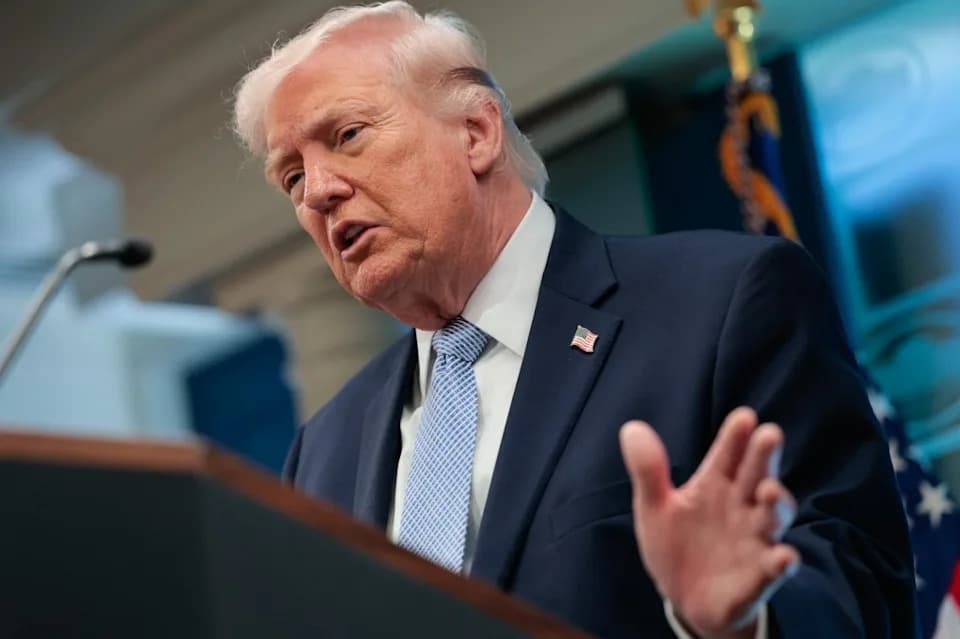
At a recent news conference President Trump said the strikes would end "very soon," adding, "Look, everything they have is gone, including their leadership," and referred to the operation as an "excursion." Trump has also dismissed polling on the issue, telling the New York Post on March 2: "I don't care about polling. I have to do the right thing. I have to do the right thing. This should have been done a long time ago."
Political Consequences
The Quinnipiac poll recorded a 37% overall approval rating for President Trump, with 57% disapproving of his job performance. Other recent national surveys put his approval at about 43% in Fox News and roughly 44% in NBC News; a simple average of recent polls places his approval near the low 40s and disapproval in the mid-50s.
As the situation develops, public opinion is likely to remain fluid: the mix of conflicting reports on battlefield outcomes, partisan cues and concerns about a prolonged regional conflict are all shaping voters' responses.
Help us improve.