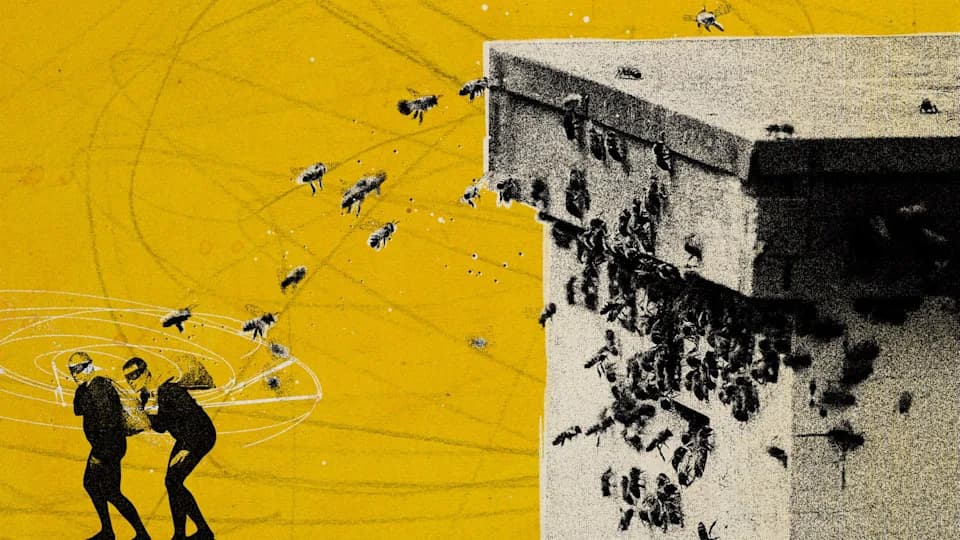
Researchers at Washington State University report up to 70% mortality in commercial honey bee colonies over the past year, raising alarm about pollination costs, food security, and the survival of beekeeping businesses. Scientists are tackling the "4 Ps"—pests, poor nutrition, pesticides, and pathogens—with new bee-safe controls and improved management. Individuals can help by planting native flowers, reducing pesticide use, and supporting local beekeepers.
Mass Honey Bee Die-Offs — Up To 70% Of Commercial Colonies Lost, Threatening Food Supply And Beekeeping Businesses
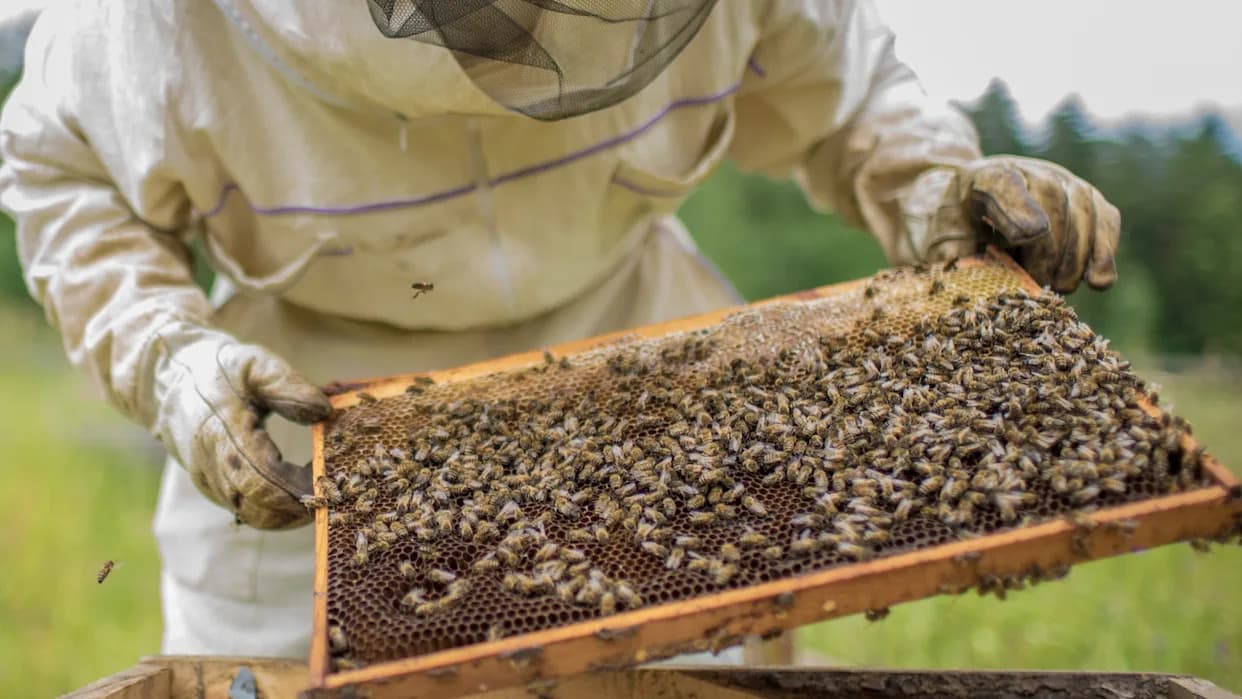
Photo Credit: iStock
Beekeepers across the United States are facing catastrophic colony losses that threaten both the viability of commercial pollination services and broader food security. Researchers with Washington State University's Honey Bee and Pollinators Program report that as many as 70% of commercial honey bee colonies died over the past year—an alarming rate that strains farmers, beekeepers, and the food system.
Financial and Operational Impacts
Commercial operations that rent hives to pollinate crops are seeing steep cost increases and a shrinking pool of healthy colonies. Replacing dead colonies is costly, and many operators—already working on thin margins—say another season like this could force them out of business.
"For a lot of these operators, another year of big losses and they're out of business," said Brandon Hopkins, a professor of pollinator ecology with the WSU program.
Why Bees Matter
Bees are central to agricultural productivity: more than 75% of the world's crops depend on pollination, and the western honey bee is the most widely managed pollinator globally, according to the United Nations Environment Programme. Declining bee populations threaten crop yields, increase grocery prices, and put small family farms at risk. One survey estimated that nationwide bee losses caused about $635 million in damages in 2025.
Ecological Ripple Effects
Beyond food production, pollinators sustain biodiversity by enabling flowering plants to reproduce, which helps stabilize ecosystems and supports wildlife.
What Scientists Are Doing
Researchers are addressing the primary drivers of loss—the so-called "4 Ps": pests, poor nutrition, pesticides, and pathogens. Efforts include:
- Developing bee-safe parasite controls, including fungal biocontrols designed to target mites without harming bees.
- Implementing management tactics such as moving colonies indoors or manipulating temperature to disrupt mite life cycles.
- Testing supplemental and alternative food sources and mapping natural pollen resources to improve nutrition.
- Studying diseases and sharing research, data, and best practices across beekeeping and agricultural communities.
What Individuals And Farmers Can Do
Everyone can help bolster pollinator populations with practical actions:
- Plant native, pollinator-friendly flowers such as bee balm, catmint, coneflower, goldenrod, milkweed, lavender, and Carolina aster.
- Avoid or minimize pesticide use—especially during bloom—and choose targeted, bee-safe alternatives when necessary.
- Provide habitat and nesting sites (bare ground patches for native bees, brush piles, and cavity resources) and a shallow water source.
- Buy local honey and support responsible beekeepers; advocate for pollinator-friendly practices on farms and in public landscaping.
Investing in bee conservation is investing in food security and ecosystem health. As researchers advance new tools and management practices, action at every level—from backyard gardeners to policymakers—will be essential to reverse these losses and protect the services pollinators provide.
Help us improve.