The 7th U.S. Circuit Court of Appeals vacated a 233-page preliminary injunction issued by Judge Sara Ellis that limited federal immigration enforcement in Chicago, ruling the order was overbroad and an unconstitutional intrusion on executive authority. The 2-1 decision said the injunction improperly applied to the entire Departments of Homeland Security and Justice and would have required judicial review of internal policies. Judge Frank Easterbrook dissented; plaintiffs had already moved to dismiss their case. The ruling underscores separation-of-powers limits on broad judicial oversight of executive enforcement actions.
7th Circuit Vacates Chicago Immigration Injunction, Says Judge Exceeded Authority
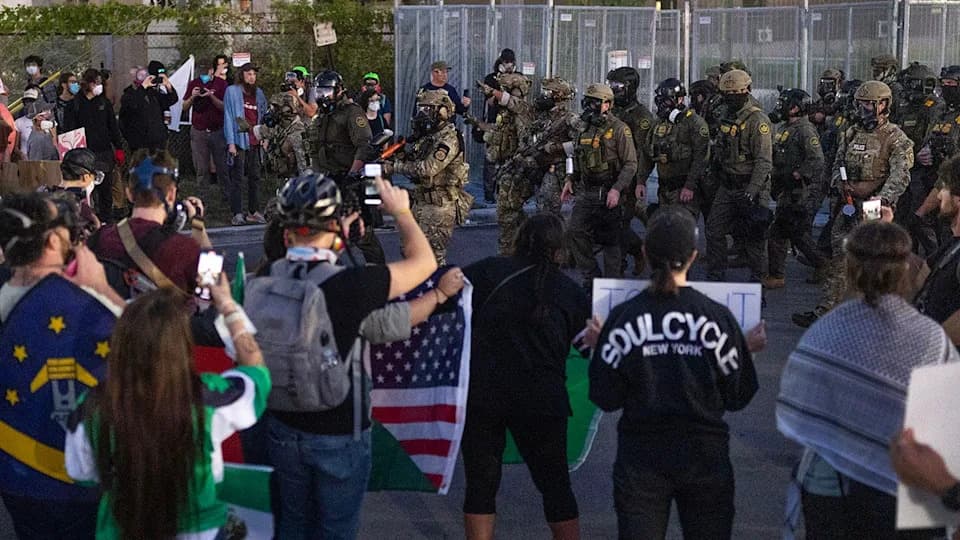
Federal law enforcement agents confront demonstrators protesting outside an immigrant processing center on Saturday in Broadview, Illinois.(Getty Images)
The U.S. Court of Appeals for the 7th Circuit vacated a preliminary injunction issued by U.S. District Judge Sara Ellis that had limited federal immigration enforcement actions in Chicago, concluding the order was overbroad and improperly intruded on executive authority.
Background
Judge Ellis, an Obama appointee, issued a detailed 233-page opinion granting a class-wide preliminary injunction against officials from the Departments of Homeland Security and Justice. The injunction followed confrontations between federal agents and protesters during Operation Midway Blitz, a Trump administration effort aimed at curbing illegal immigration and street crime in Chicago.
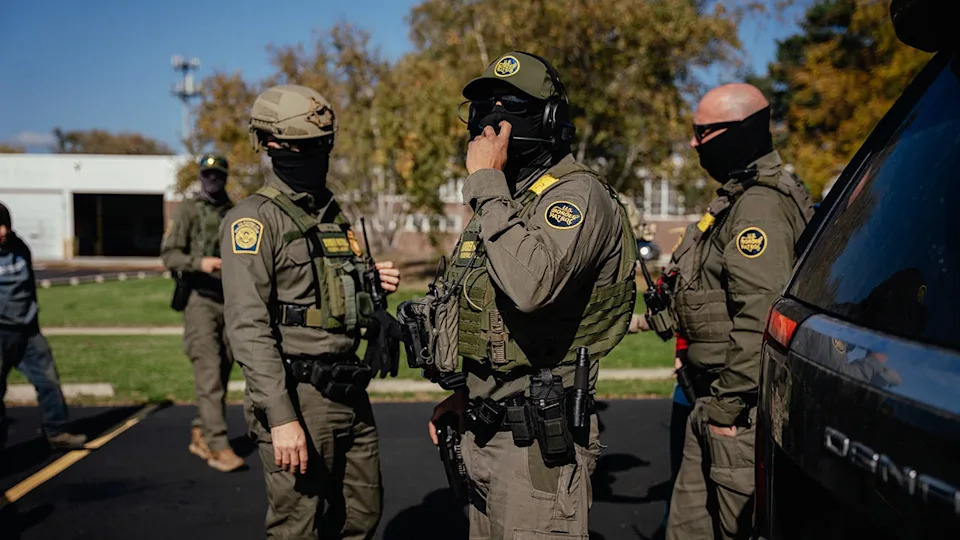
U.S. federal agents stand near unmarked cars as they make multiple arrests in a far north side neighborhood on Oct. 31, 2025, in Chicago.
Appeals Court Ruling
A three-judge panel of the 7th Circuit — including two Trump appointees and one Reagan appointee — reversed and vacated Ellis’ injunction in a 2-1 decision. The majority characterized the injunction as "overbroad" and "constitutionally suspect," faulting the district court for applying relief not just to specific officers but effectively to "the entire Departments of Homeland Security and Justice, as well as anyone acting in concert with them."
"Federal courts do not exercise general oversight of the Executive Branch," the panel wrote, saying the district court "likely abused its discretion by issuing such a sweeping injunction."
The appeals court also criticized a provision that would have required federal officers to submit "all current and future internal guidance, policies, and directives" for judicial review, finding that requirement an improper intrusion on the separation of powers. The 7th Circuit had earlier temporarily stayed the injunction while it considered the case.
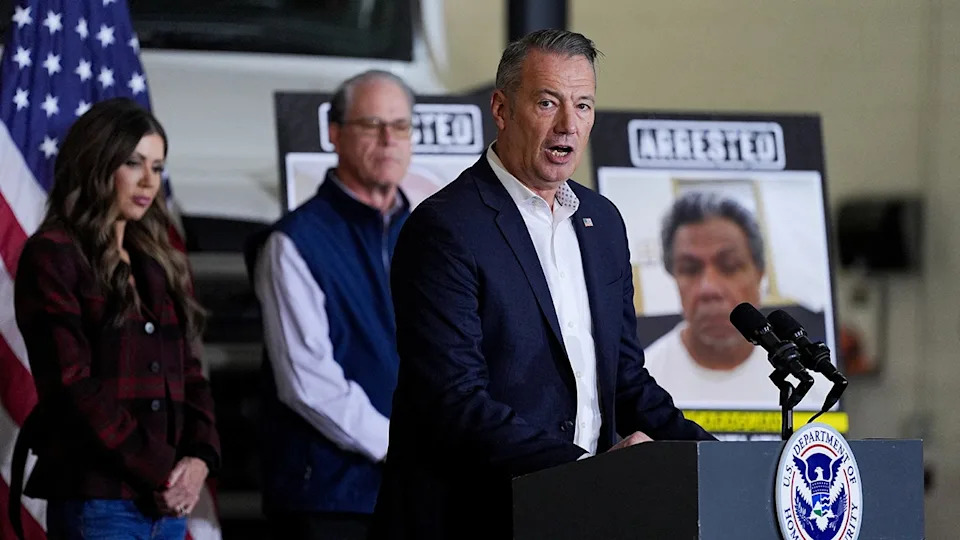
Acting Immigration and Customs Enforcement (ICE) Director Todd Lyons speaks during a press conference about Operation Midway Blitz, an immigration enforcement campaign, from a hangar in Gary, Indiana, Oct. 30, 2025.
Procedural Posture And Dissent
The decision came after the plaintiffs — which included protesters and journalists — moved to dismiss their own lawsuit, contending that Operation Midway Blitz had largely ended. Judge Frank Easterbrook (the Reagan appointee) dissented, arguing the court should have limited its action to dismissing the appeal since both parties had sought that relief. The majority said vacating the injunction was the clearest way to "wipe the slate clean" in what it called an "extraordinary case."
Reactions
The ruling drew strong responses across the legal and political spectrum. Attorney General Pam Bondi hailed the decision as a "huge legal win," framing it as support for the administration's law-and-order priorities. Legal commentator Jonathan Turley said the appellate court "delivered a haymaker" to Judge Ellis, and former prosecutor Bill Shipley observed the panel effectively told the district court it could not supervise DHS and DOJ operations.
By contrast, civil liberties advocates defended Ellis’ inquiry into federal conduct. David Bier of the Cato Institute argued that Ellis was one of the few judges to examine alleged abuses by Customs and Border Protection and said her findings of perjury and constitutional violations warranted scrutiny.
Implications
The 7th Circuit’s decision highlights tensions between judicial oversight of law enforcement practices and separation-of-powers limits on federal courts’ authority to supervise the Executive Branch. With the injunction vacated and the plaintiffs’ suit dismissed, any future challenges to federal crowd-control or immigration operations in Chicago would likely require a more narrowly tailored approach to relief.
Help us improve.