The FCPA Reinforcement Act, led by Sen. Elizabeth Warren, would extend the Foreign Corrupt Practices Act's antibribery statute of limitations from five to 10 years, with an eight-year sunset on the extension. Sponsors say the move responds to a perceived rollback in enforcement and recent DOJ guideline changes. Co-sponsors include several Senate Democrats, who argue the change will deter corporate bribery and protect fair competition. The extension gives prosecutors a longer window to pursue corruption cases while remaining temporary unless Congress renews it.
Senate Democrats Move To Double FCPA Statute Of Limitations To 10 Years
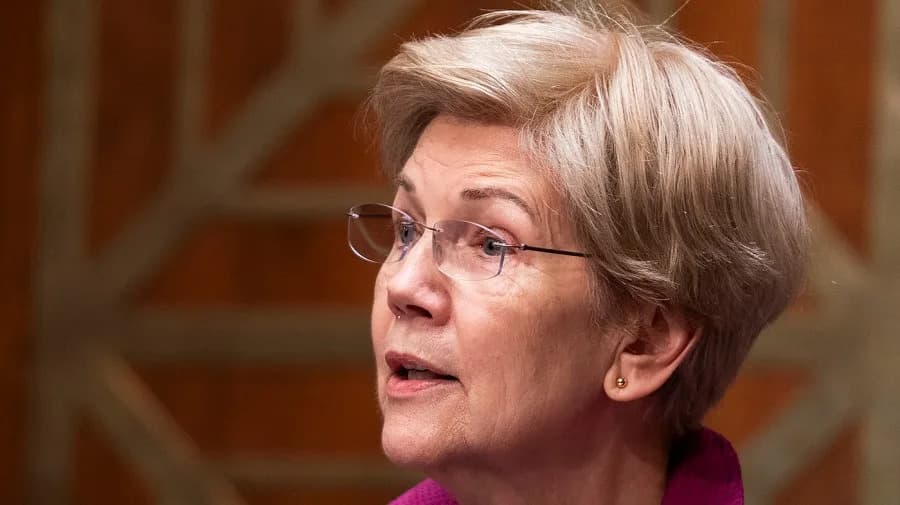
Democrats eye extending foreign bribery statute of limitations
A group of Senate Democrats led by Sen. Elizabeth Warren (D-Mass.) introduced the FCPA Reinforcement Act to strengthen enforcement of the Foreign Corrupt Practices Act by extending the statute of limitations for core antibribery offenses from five to 10 years. Sponsors say the proposal is intended to deter corporate bribery of foreign officials and to respond to what they describe as a recent narrowing of enforcement by the Trump administration.
Key Provisions
The bill would lengthen the statute of limitations for crimes under three antibribery provisions of the FCPA from five years to 10 years. The extension would include a sunset clause: the longer limitation period would expire eight years after the bill is enacted, reverting to the current five-year period unless Congress acts again.
Why Sponsors Back the Bill
Lawmakers argue the change will discourage U.S. companies from exploiting a temporary lapse in enforcement and ensure accountability for misconduct that may be discovered years later. They point to recent Department of Justice guidance and an analysis by the legal journal Just Security, which warned of steps that could weaken FCPA enforcement.
“Our bill sends a clear message: despite President Trump’s disregard for countering a range of financial crimes and his disdain for the Foreign Corrupt Practices Act, effective enforcement of that landmark law — a shield for U.S. companies that compete the right way — is here to stay. This legislation encourages continued private sector vigilance, signaling enduring accountability for those who undermine our foreign policy, fair markets, and honest businesses by paying bribes,” Warren said in a statement.
“Greedy corporations exchanging bribes for favors from corrupt foreign kleptocrats shouldn’t be allowed to count on a five-year statute of limitations as a get-out-of-jail-free card,” said Sen. Sheldon Whitehouse (D-R.I.), a co-sponsor. “The FCPA Reinforcement Act would send a clear message that a temporary dip in enforcement doesn’t mean it’s open season for bribery.”
Other Democratic co-sponsors named by sponsors include Sens. Andy Kim (N.J.), Dick Durbin (Ill.), Jeanne Shaheen (N.H.), Chris Coons (Del.), Peter Welch (Vt.), and Richard Blumenthal (Conn.).
Practical Impact
If enacted, the bill would expand prosecutors' ability to bring charges for bribery of foreign officials up to a decade after misconduct occurs, increasing the legal risk for corporate and individual actors. The temporary eight-year sunset means Congress retains the option to revisit the policy after the extension expires.
Copyright 2026 Nexstar Media, Inc. All rights reserved. For the latest news, weather, sports, and streaming video, visit The Hill.
Help us improve.