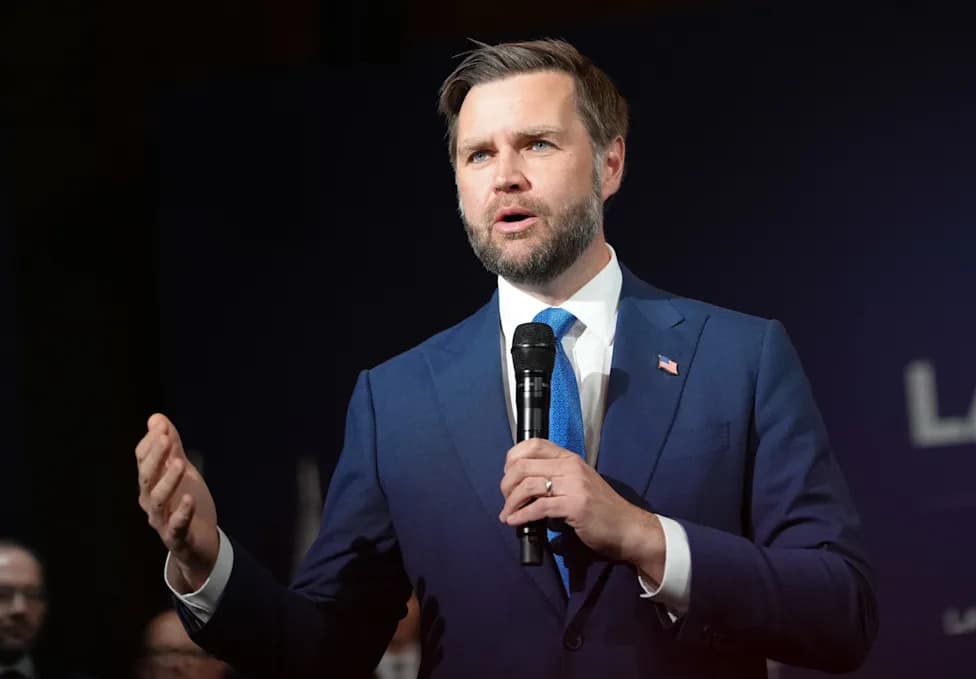
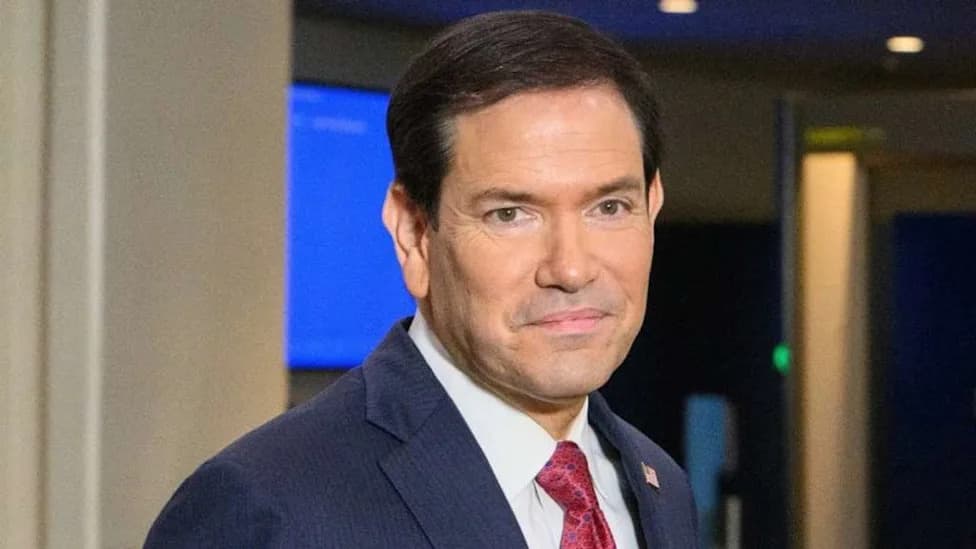
Several of President Trump’s closest aides — including Vice President JD Vance and Secretary of State Marco Rubio — initially urged caution about strikes on Iran but ultimately aligned with the president as an attack became likely. The administration executed strikes on February 28 and is now racing to manage an uncertain, potentially open-ended campaign while addressing urgent problems at home, including evacuations and rising oil prices. Officials emphasize limited goals to degrade Iran’s weapons capabilities rather than pursue explicit regime change, but the exit strategy and political fallout remain unclear.
Vance, Rubio and Top Aides Warned on Iran — Then Quietly Fell In Line as War Became Likely
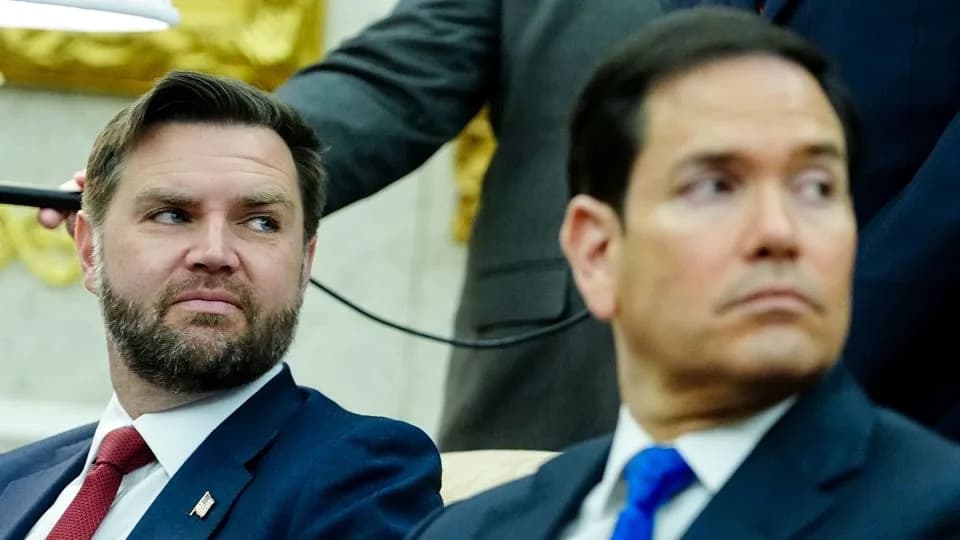
Vice President JD Vance and Secretary of State Marco Rubio take part in President Donald Trump's meeting with German Chancellor Merz at the White House on March 3. - Kay Nietfeld/Picture Alliance/DPA/AP
When President Donald Trump first raised the prospect of military action against Iran, some of his closest advisers counseled caution. But as Trump signaled he remained committed to a strike, several senior officials who initially urged restraint shifted to support rapid action — and then focused on executing it.
Early Warnings, Then a Pivot
Vice President JD Vance, a former Marine and long-time critic of foreign interventions, was among the most vocal in warning against another unpredictable Middle East conflict. According to people familiar with internal deliberations, Vance argued early on that the risks of a prolonged war outweighed the benefits.
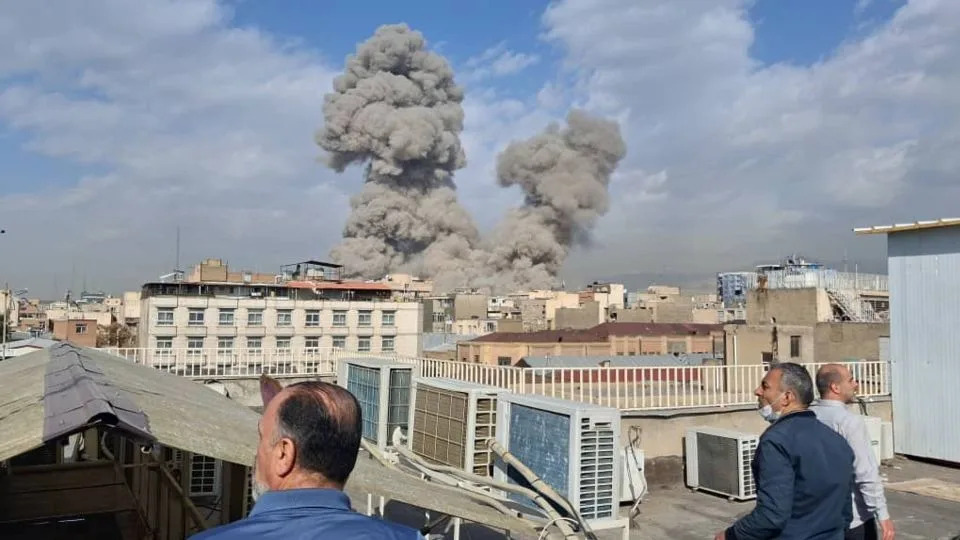
People watch as smoke rises on the skyline after an explosion in Tehran, Iran, on February 28. - AP
But as it became clear that Trump favored military action, Vance changed course. He began advocating for a swift, decisive strike — reasoning that a rapid operation would minimize American casualties and reduce the chance of Iran striking first. That pivot mirrored the broader pattern inside the administration: initial reservations gave way to reluctant alignment once a strike appeared inevitable.
Inside the Decision-Making
Several officials outside the West Wing were louder in their calls for force than many inside, aides and advisers said. Alongside Vance, Chairman of the Joint Chiefs of Staff Gen. Dan Caine reportedly warned about potential blowback from striking Iran. Secretary of State Marco Rubio — who had been preoccupied with fallout from a January raid on Venezuela — offered cautious early support. Chief of Staff Susie Wiles, focused recently on political strategy and the midterm agenda, had similarly been wary of letting foreign operations overshadow domestic priorities.
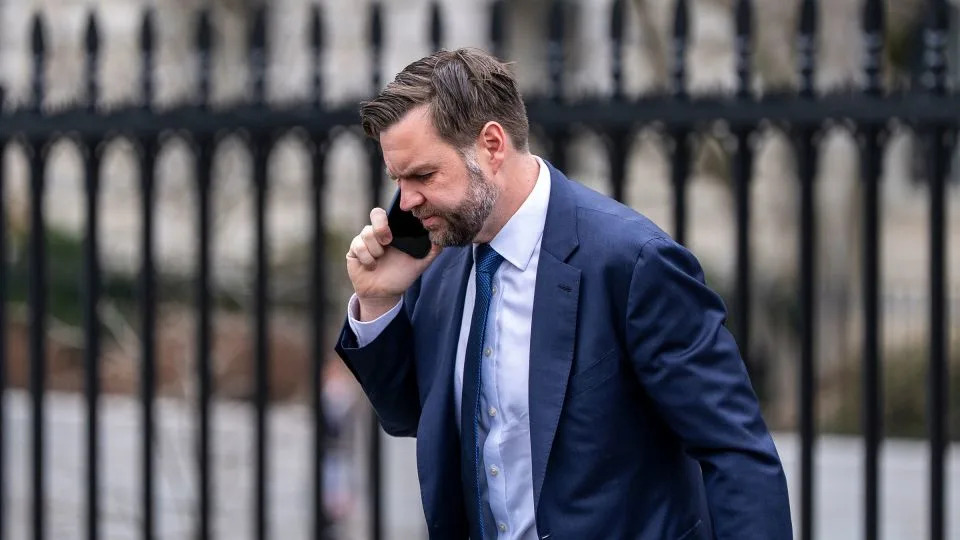
Vice President JD Vance talks on his phone as he walks to the West Wing of the White House on March 6. - Alex Brandon/AP
Despite those misgivings, most senior aides offered little resistance once they concluded that an attack was unavoidable. In the run-up to the February 28 strikes, the White House shifted from internal debate to implementation, racing to coordinate objectives, logistics and messaging.
Managing Politics, Operations and Perception
Those who had counseled restraint are now working to contain the strategic and political fallout. Vance’s support has unsettled anti-interventionist Republicans who had backed his climb within the party, effectively betting his 2028 prospects on a quick, low-cost victory. For Rubio — widely viewed as a rival to Vance for the 2028 nomination — a protracted conflict threatens the goodwill he earned managing earlier foreign gambits. Rubio drew sharp criticism early in the campaign after an offhand comment suggesting Israel led the U.S. into the strikes; he later walked back that remark after public pushback.
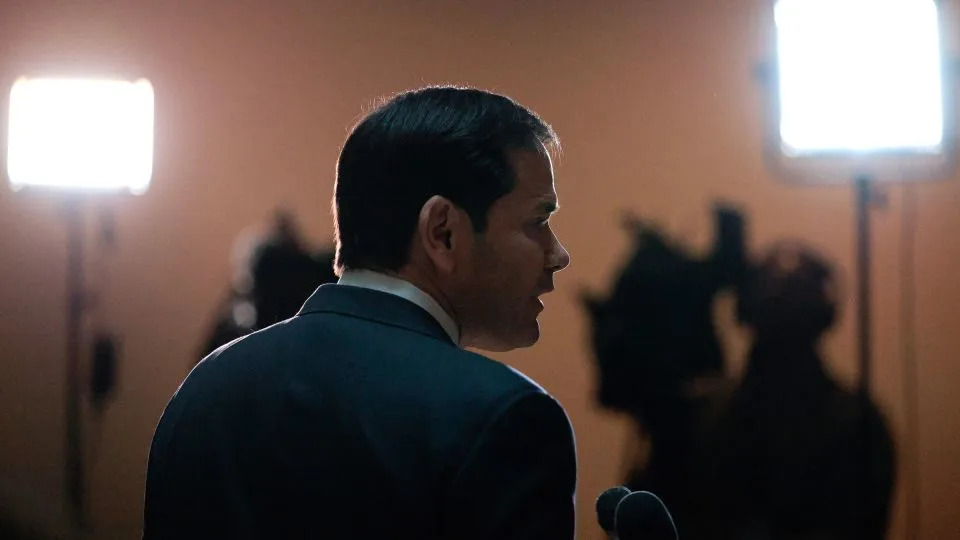
Secretary of State Marco Rubio talks to reporters at the US Capitol on March 2. - Chip Somodevilla/Getty Images
Operational Goals and Uncertainties
The administration has publicly emphasized limited objectives: degrade Iran’s immediate weapons capabilities and halt progress toward a nuclear weapon, avoiding an explicit goal of regime change. Officials say they prefer a short campaign measured in weeks, not months, but they acknowledge the unpredictability of how strikes, retaliation and regional dynamics will unfold.
“For the next three weeks, roughly, they’re going to be striking a lot of material,” one administration official said. “Then it’s going to be a couple months of, who’s establishing the control and how are they doing it?”
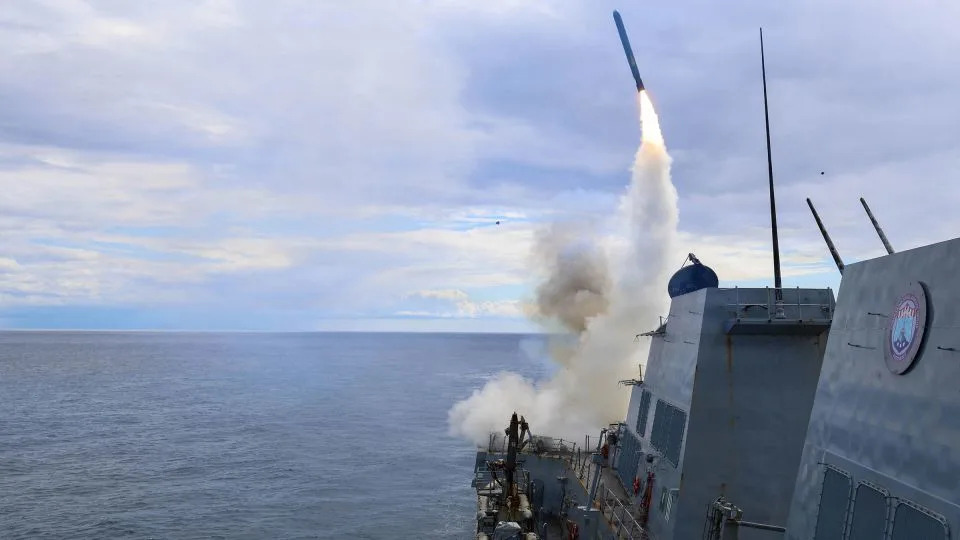
The USS Thomas Hudner fires a Tomahawk land attack missile toward Iran on March 1. - US Navy/Reuters
Short-Term Crises: Evacuations, Stockpiles and Oil
Beyond battlefield planning, the White House scrambled to address immediate crises: evacuating thousands of Americans in the region, managing the Pentagon’s weapons stockpiles and calming energy markets after disruptions through the Strait of Hormuz halted some shipments. Those disruptions have pushed U.S. pump prices to their highest national average in more than two years, undermining a key economic talking point ahead of the midterms.
White House spokesperson Taylor Rogers said the national security team was “working together daily to ensure the total and complete success of Operation Epic Fury.” Officials rolled out early measures — including underwriting tankers willing to transit the Strait of Hormuz — but market confidence remained fragile as oil prices continued to climb.
What Comes Next
Senior aides are focused on keeping the campaign limited while preparing for the messy aftermath if Iran’s leadership is weakened. That includes planning for a possible leadership vacuum and coordinating with regional partners, even as doubts persist about whether post-strike developments will produce outcomes favorable to U.S. interests.
The White House faces a delicate balancing act: selling the public on a narrowly tailored military objective, safeguarding domestic political standing ahead of midterms, and preventing a broader, open-ended conflict that could have lasting consequences for the administration and the country.
Summary quote: “If the president was unwilling or unable to say no, we were going to war,” said Curt Mills, capturing how internal caution faded once a strike became the likely course.
Help us improve.