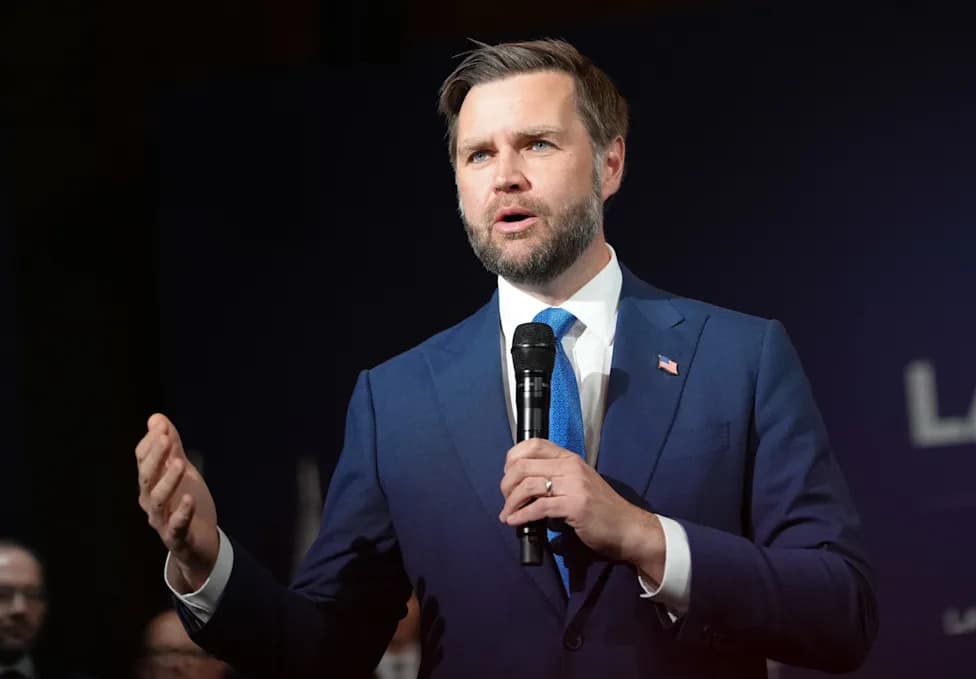
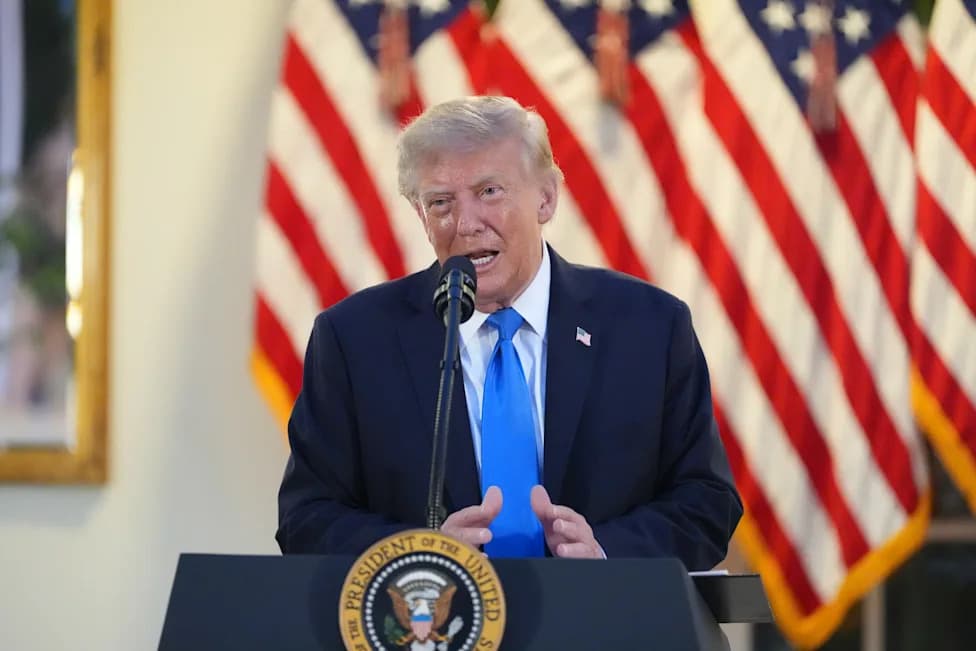
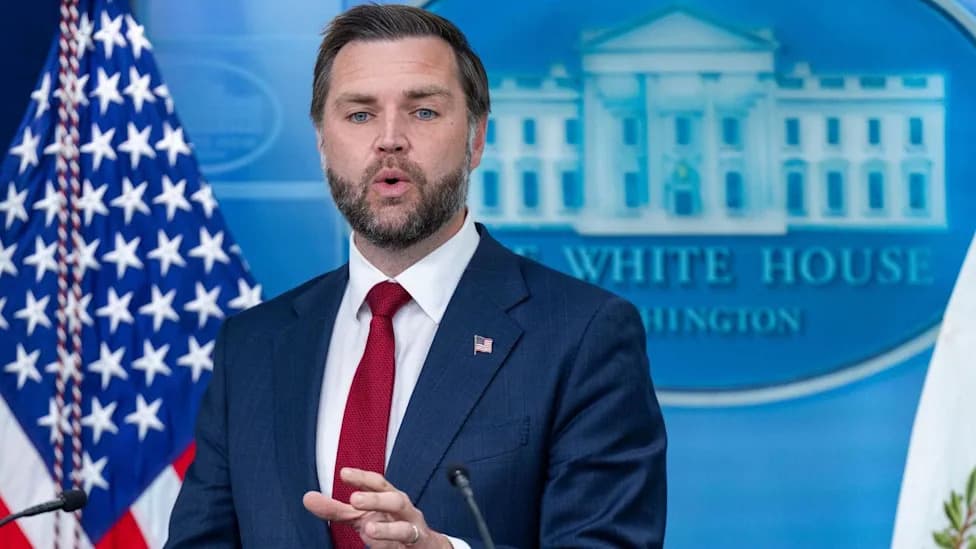
Marco Rubio’s recent comments about the Iran conflict have increased scrutiny of J.D. Vance by suggesting responsibility for the policy extends beyond President Trump. Rubio told Fox News the president is ultimately "in charge" but added that "everyone's played a role," specifically naming Vance. Reporting from The New York Times and The Atlantic says Vance privately opposed military action before February airstrikes, though he has publicly defended the administration. Polling shows broad public concern over the war’s human and financial costs.
Rubio’s Iran Remarks Put J.D. Vance Under New Pressure
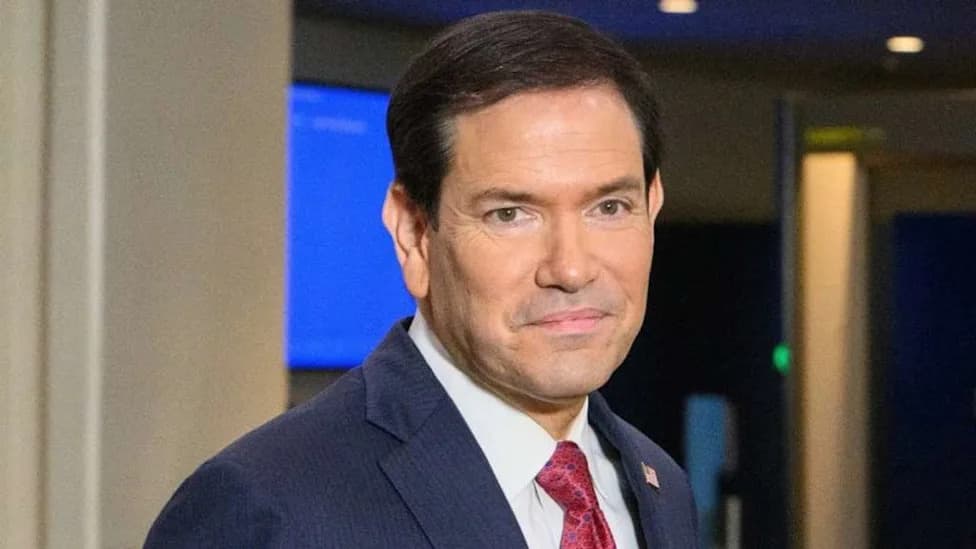
Photo Credit: Alexi J. Rosenfeld/Getty Images
Marco Rubio’s recent remarks about the Iran conflict have intensified scrutiny of his close ally, J.D. Vance, after Rubio suggested that responsibility for the administration’s Iran policy extends beyond President Donald Trump. The exchange matters politically: both men remain possible contenders for the Republican nomination in 2028, and public disagreement could shape their standing within the party.
Rubio initially emphasized the president’s central role but broadened the accountability to include other senior officials, explicitly naming Vance. On Fox News he said:
"The person in charge of all of these things is the president."
He then added that "everyone's played a role," calling attention to aides and advisers involved in the administration’s Iran deliberations.
Private Objections, Public Support
That public naming is significant because multiple outlets have reported a different, more cautious Vance behind closed doors. The New York Times and The Atlantic reported that Vance privately opposed military action against Iran in discussions with the president before the conflict escalated and before the February airstrikes. NBC reporter Maggie Haberman later said Vance was the only senior official who "really vocally took issue" with Trump over the war, and that his objections "irritated" the president and "cost Vance with Trump."
Despite those private objections, Vance has continued to publicly defend the administration’s decisions rather than break with the White House—a posture that has kept him aligned publicly but raised questions about internal divisions.
Human and Economic Costs
The political fallout comes as the conflict’s human and financial toll grows. A CNN/SSRS poll found that 70% of Americans believe the conflict has damaged U.S. interests, while 76% said the human and financial costs were not worth it. At least 18 American service members have died in related operations.
Economically, Brown University’s Iran War Energy Cost Tracker estimates the additional fuel burden at more than $100 billion—an increase that the university says translates to roughly $750 in extra gasoline and diesel costs for a typical household. Those pressures have intensified public scrutiny and political risk for senior officials tied to the decisions.
Diplomatic Front and Next Steps
Vance has taken a visible role in negotiations aimed at turning a provisional peace arrangement into a more durable settlement, but talks remain fractious: Washington and Tehran are reportedly far apart on key terms, including conditions for reopening the Strait of Hormuz. How Vance and others navigate these negotiations—and how they balance private views with public messaging—could influence their political capital going forward.
Bottom line: Rubio’s public comments have spotlighted internal disagreements and put fresh pressure on J.D. Vance. The way both men manage this episode may affect their reputations within the GOP and their prospects as potential 2028 candidates.
Help us improve.