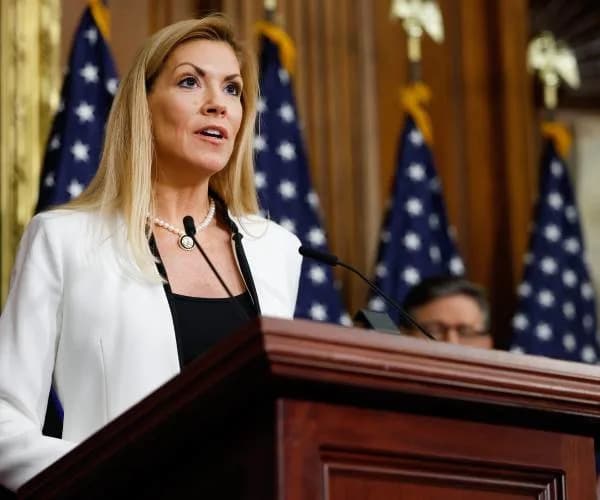
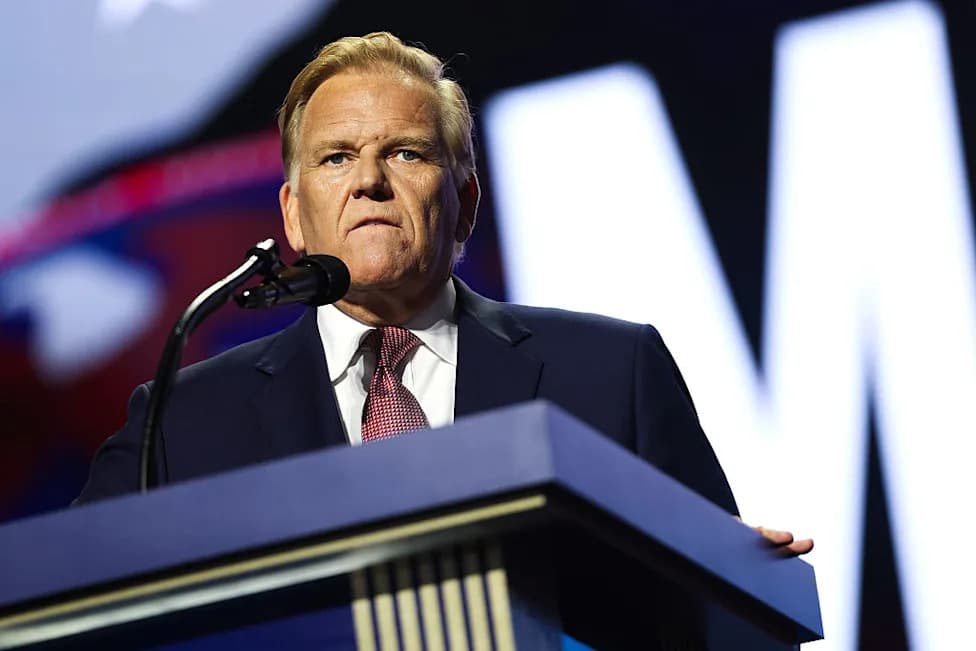
President Trump joined Israel in a military campaign against Iran without seeking congressional authorization, and Republican congressional leaders have largely allowed the operations to continue. Senate and House Republicans blocked Democratic war powers measures that would have required congressional approval for continued hostilities. Officials report six U.S. service members killed and at least 1,230 fatalities in Iran, and CSIS estimates the first 100 hours cost about $3.7 billion. Democrats are casting themselves as the anti-war alternative and pressing opposition to funding the campaign.
Trump Sidesteps Congress as Republican Leaders Let Iran Campaign Proceed
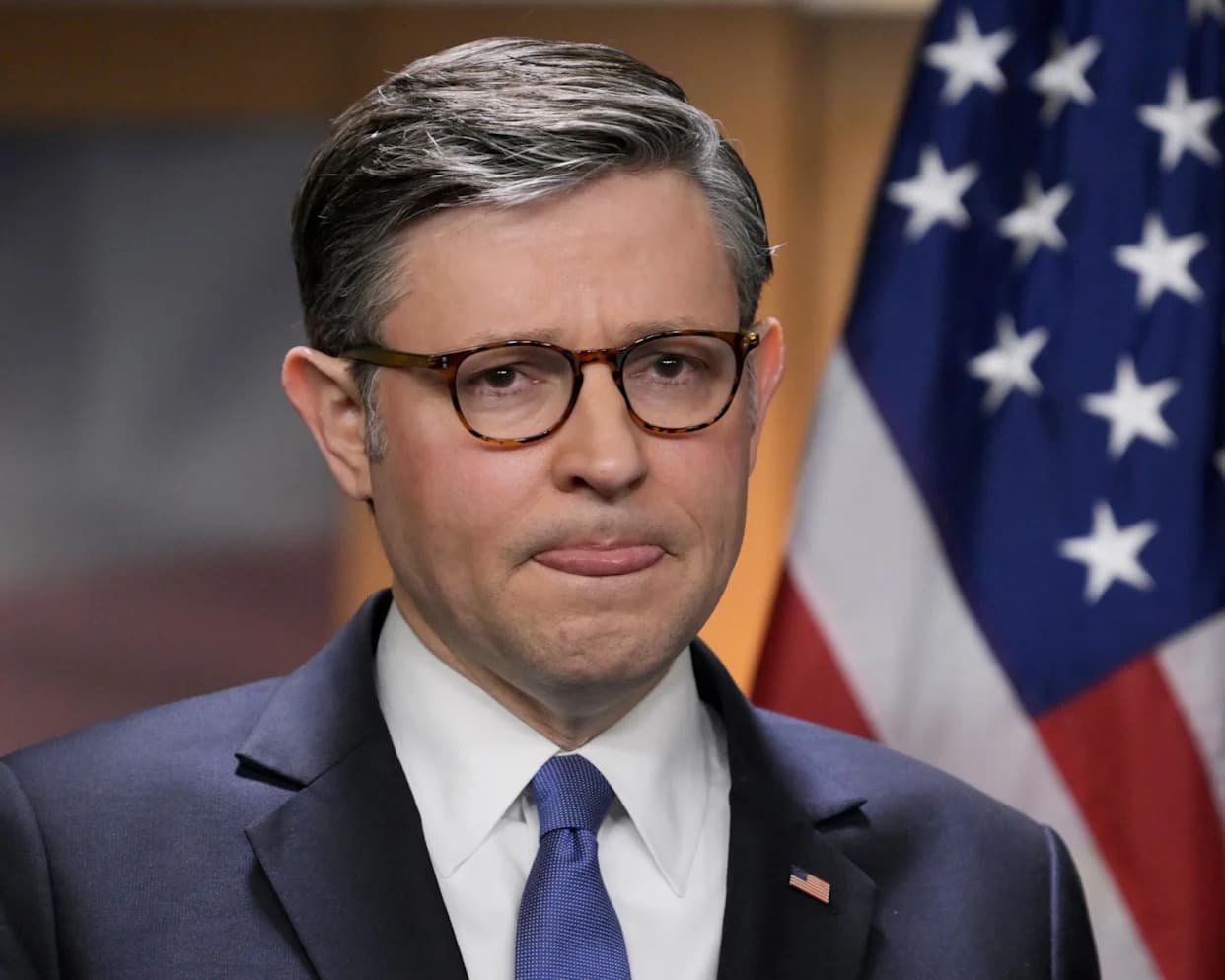
Mike Johnson, the Republican House speaker and close Trump ally.Photograph: Lenin Nolly/NurPhoto/Shutterstock(Photograph: Lenin Nolly/NurPhoto/Shutterstock)
President Donald Trump joined Israel in an air-and-naval campaign against Iran without seeking formal congressional authorization, and Republican leaders on Capitol Hill have largely allowed the military operations to continue. After a classified briefing, House Speaker Mike Johnson and Senate Republican Leader John Thune publicly said the president has the authority to direct the ongoing actions.
Legal and legislative pushback
Senate Republicans blocked a Democratic-backed war powers resolution that would have required U.S. forces to end hostilities with Iran unless Congress authorized continued action. The House followed by rejecting a comparable measure. Those votes effectively permit the White House to press on without formal congressional approval even as the administration’s public explanations of its objectives have shifted and legal experts warn some actions could be unlawful.
Officials' toll and estimated costs
U.S. and Iranian officials report the conflict has killed six U.S. service members and at least 1,230 people in Iran. A Center for Strategic and International Studies (CSIS) analysis put the cost of the campaign’s first 100 hours at about $3.7 billion — roughly $891.4 million per day.
Capitol Hill response and political stakes
Republican leaders have downplayed the scale of the confrontation or defended it as a justified response to longstanding hostility. As Speaker Johnson put it after the briefing:
"My understanding of the law has always been — and this is the tradition and the way the law has been used and observed over many decades — the president was acting well within his authority."
Senate Republican Leader John Thune added: "No. I think the president has the authority that he needs to conduct the activities, the operations, that are currently under way there."
Democrats have positioned themselves as the anti-war alternative, in part shaped by the political fallout from past conflicts such as Iraq and by recent divisions over U.S. policy toward Israel. House Minority Leader Hakeem Jeffries linked the military campaign to domestic economic concerns, arguing it diverts resources while Americans face an affordability crisis.
Internal fissures and calls on funding
Votes on the war powers measures were largely partisan, though a few lawmakers from both parties broke ranks. Some Republicans — including Rep. Warren Davidson and Sen. Rand Paul — expressed concern that the president might be overreaching his constitutional authority. Progressive groups and some Democratic activists are calling for challengers to any lawmaker who supports funding the campaign.
Outlook
With congressional constraints weakened by the recent votes, the administration is positioned to continue the campaign without immediate interference from Capitol Hill. The political consequences, however, may fall on Republicans if public opposition to the conflict grows and becomes a central issue in upcoming elections.
Reporting for this story also included contributions from Jimmy Ryals in Greenville, North Carolina.
Help us improve.