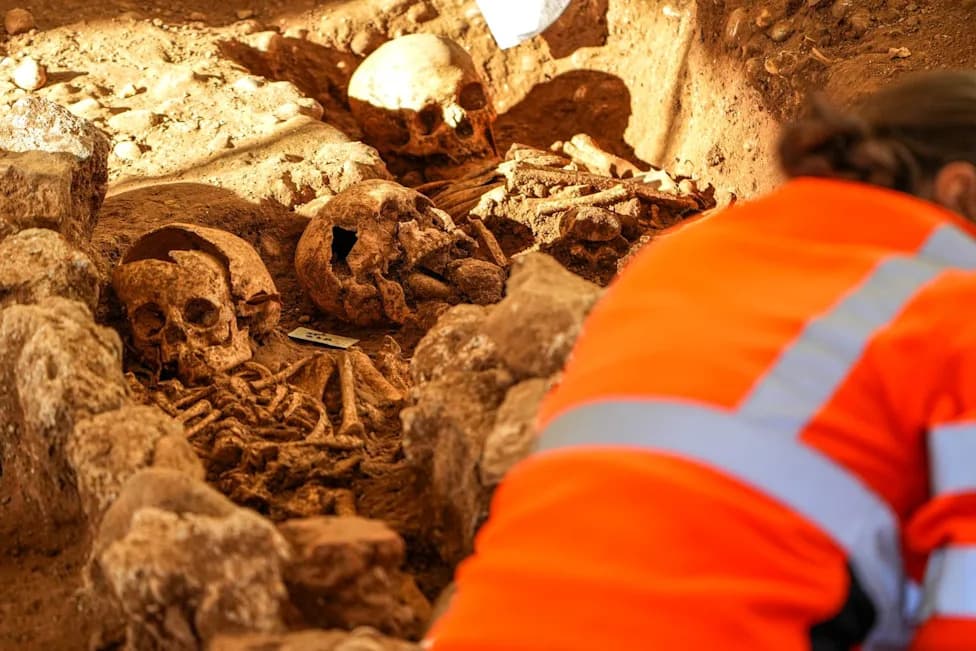
The Reios, Christine and Dan, discovered the remains of an Indigenous person dating back roughly 1,000 years while renovating a Lake Erie cottage in Wainfleet, Ontario. Provincial authorities ordered a licensed burial‑site investigation that the law assigns to the property owner to fund; one firm quoted about $234,000. The couple applied for financial assistance in October 2024 and say they have received no response. Indigenous representatives and local officials say the system creates unfair burdens and unresolved jurisdictional tensions.
Ontario Couple Could Owe $234,000 After Discovering 1,000‑Year‑Old Indigenous Remains During Cottage Renovation
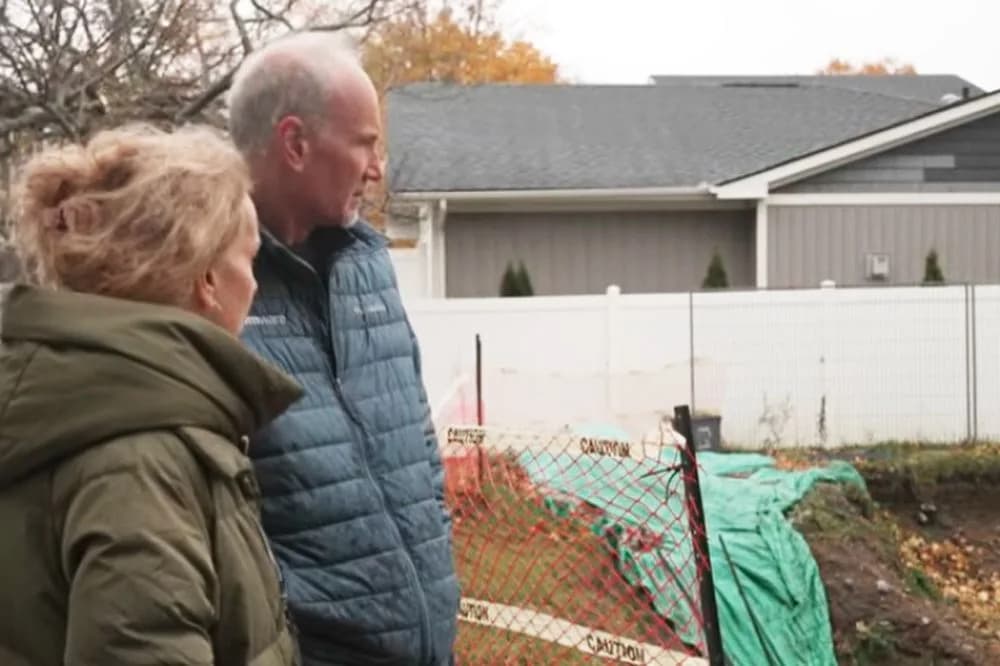
Christine and Dan ReioCredit: CBC News: The National/YouTube
Christine and Dan Reio discovered the remains of an Indigenous person, believed to be about 1,000 years old, while preparing to replace a cottage on their Lake Erie property in the Township of Wainfleet, Ontario. What began as a renovation project during the pandemic has turned into a complex legal and financial ordeal after provincial authorities required a formal burial‑site investigation.
The Reios said they had township approval to demolish the old cottage and build a new home, but the project foreman alerted them after workers uncovered human remains. Local police, provincial officials and an archaeological specialist later determined the bones likely belonged to an Indigenous man in his 20s buried roughly a millennium ago.
Mandatory Investigation—and Who Pays
Under Ontario rules, the Registrar of Burials, acting through the Ministry of Public and Business Delivery, ordered a licensed burial‑site investigation “to determine the origin of the site” and to assess whether additional interments exist that could qualify the area as a cemetery. The Ministry requires the landowner to hire a licensed archaeologist to carry out the work, and it places responsibility for financing the investigation on the property owner.
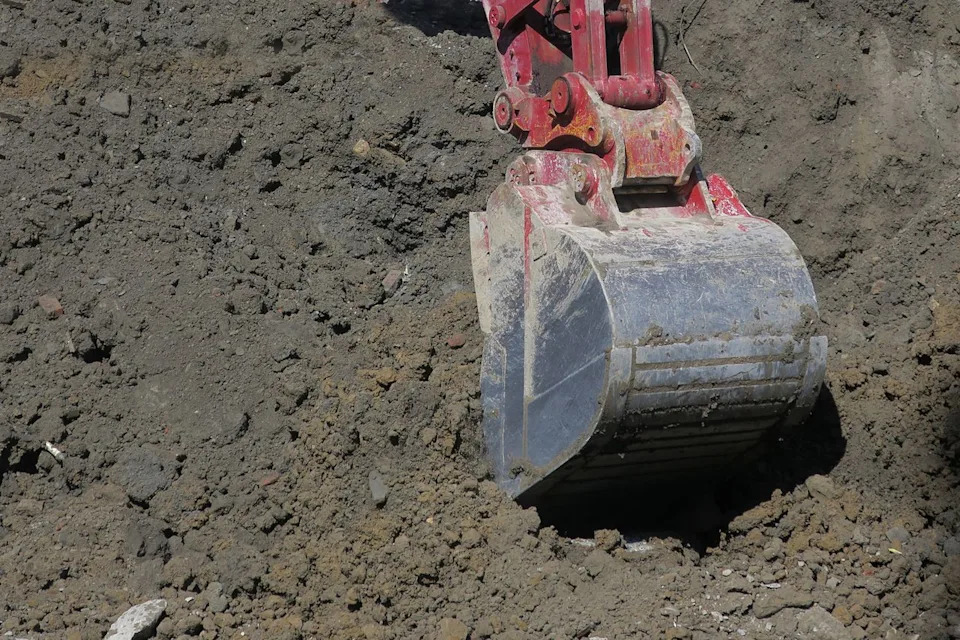
Dig equipment (stock image)Credit: Getty
One archaeology firm quoted the Reios about $234,000 for the investigation—a crew of six working for nearly a month to document and assess the site. The couple says the quote is unaffordable; they warn the cost could rise dramatically if more remains are found (they cited a possible total exceeding $700,000).
Request For Financial Relief
A 2002 provision allows property owners to apply for financial assistance if they can show that a required investigation would cause an “undue financial burden.” The Reios say they applied for assistance in October 2024 but have not received a response from the ministry. The Ministry of Public and Business Delivery did not immediately respond to inquiries from People.
Community And Official Reactions
Tanya Hill‑Montour, archaeology supervisor with Six Nations of the Grand River and one of the first specialists called to the scene, criticized the policy that shifts expensive investigative costs to homeowners. “It's a financial burden so costly that nobody [including the government] wants to take accountability for it. I truly do not believe that homeowners should be completely responsible,” she told the CBC, adding that the system strains relationships between property owners and Indigenous communities.

Lake Erie (stock image)Credit: Getty
Township of Wainfleet Chief Administrative Officer Mallory Luey said municipalities lack precise archaeological or burial‑site data and are not authorized to speculate about what lies beneath private properties. “Determinations of this nature fall exclusively within provincial jurisdiction,” Luey wrote to the CBC.
Human Impact
The Reios say the discovery has exacted a heavy emotional and time cost: Christine told reporters she and her husband have spent “hundreds and hundreds of hours” on the issue, losing sleep and enduring emotional strain while they wait for a decision on their financial‑assistance application.
The case highlights a tension between protecting Indigenous heritage and placing potentially crippling financial obligations on private landowners. With questions still outstanding about municipal approvals, provincial responsibility and available financial relief, the Reios remain in limbo as the mandated investigation requirement stands.
Help us improve.