Casey Means, President Trump’s nominee for surgeon general, faces criticism from both vaccine proponents and skeptics after telling senators that vaccines "save lives" but are not a "core" part of her platform. Public-health advocates worry her ambivalence could undermine efforts to promote immunization, while some anti-vaccine figures distrust her priorities. Means likely needs unanimous Republican support on the HELP Committee to advance, and several GOP senators remain undecided. The White House and Kennedy-aligned allies continue to back her nomination.
Surgeon General Nominee Casey Means Draws Unusual Bipartisan Backlash Over Vaccines
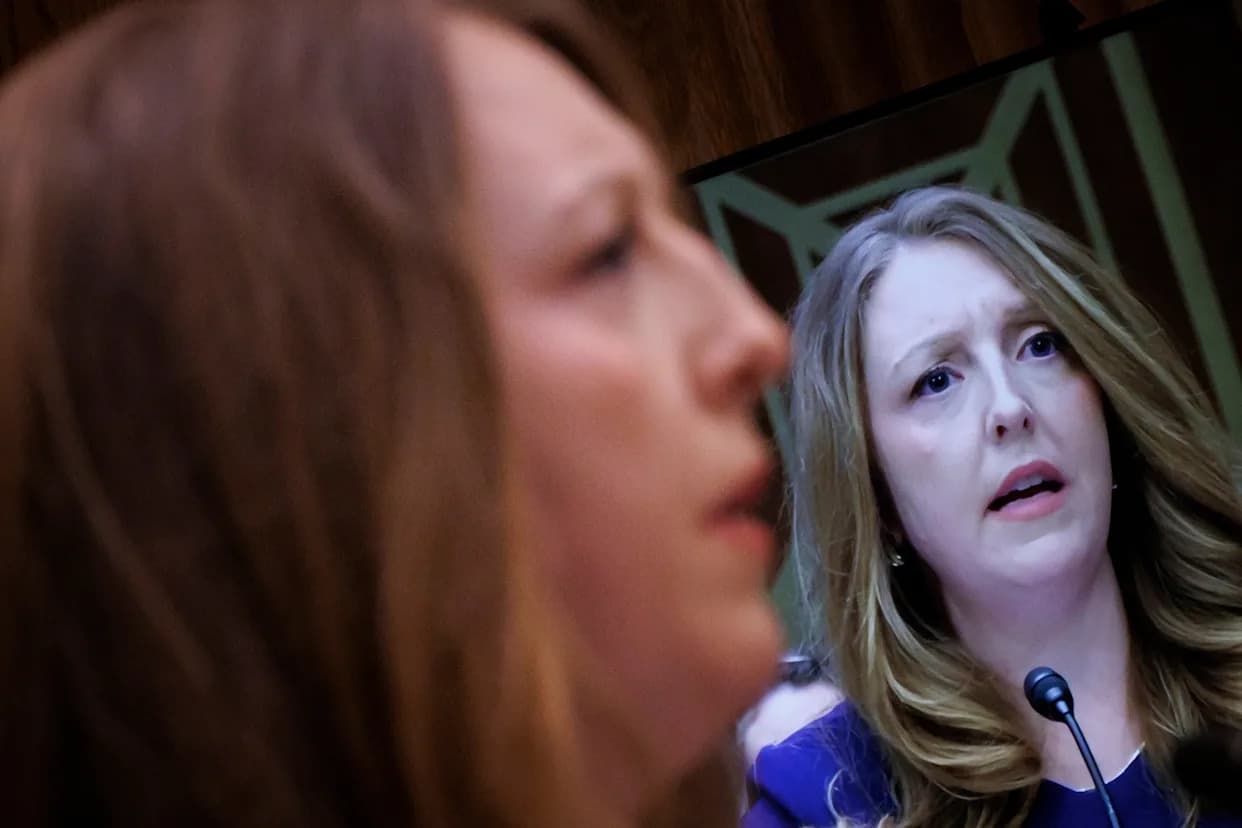
Casey Means, President Donald Trump’s nominee for surgeon general, has sparked a rare coalition of critics: public-health advocates who support vaccines and prominent vaccine skeptics are both urging senators to reject her confirmation.
Mixed Messages at the Hearing
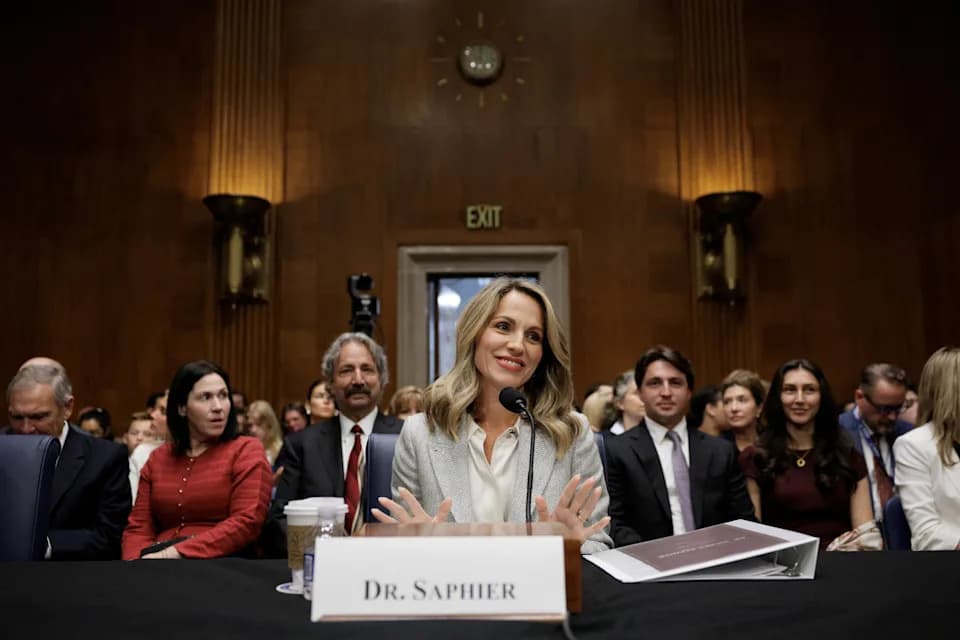
At her recent Senate confirmation hearing, Means repeatedly described vaccines as "life-saving" but also said that promoting immunizations was not a "core" part of her platform. That equivocation alarmed mainstream public-health groups, who say the surgeon general should use the office’s platform to promote proven public-health measures.
"These issues are important to me," said Sen. Lisa Murkowski (R‑Alaska), who remains undecided and asked for clearer answers about Means’ vaccine views. If confirmed, Means would serve as the nation’s chief public-health officer and report to the Assistant Secretary for Health.
Criticism From Both Sides
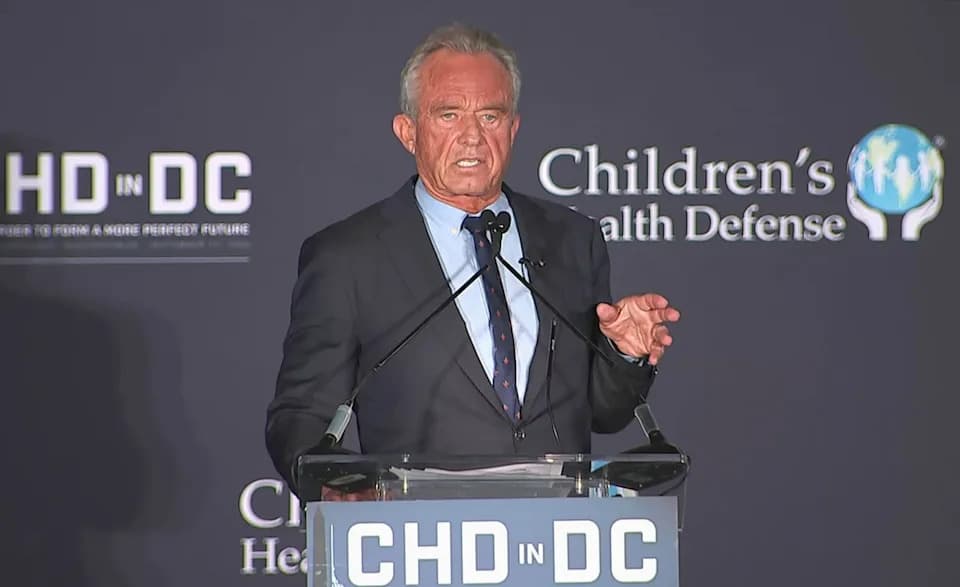
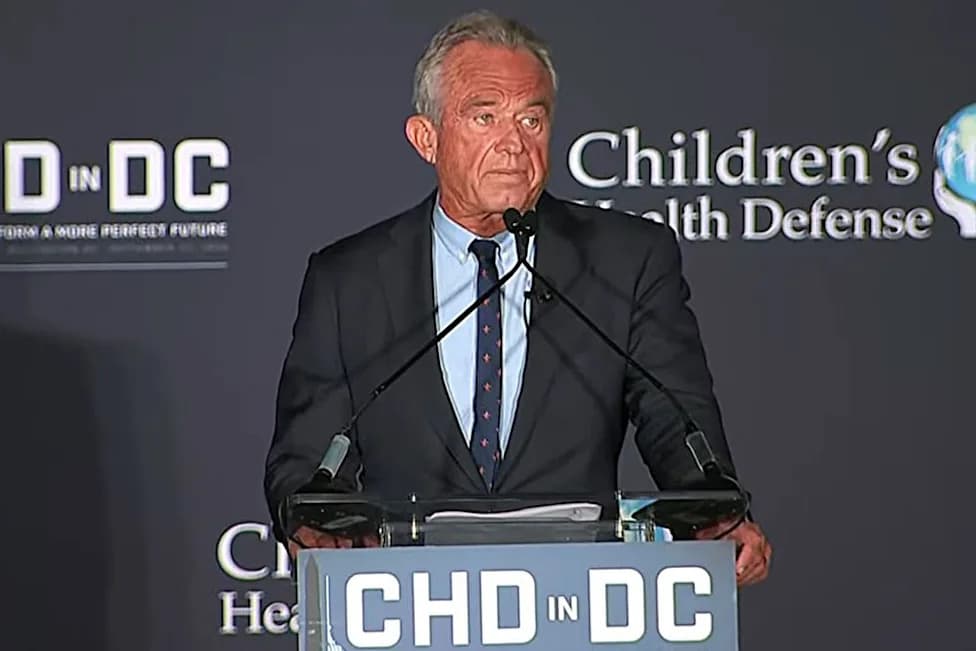
Public-health advocates have warned that Means’ mixed messaging could enable Health Secretary Robert F. Kennedy Jr.’s efforts to reframe vaccination as primarily a matter of personal choice. Kayla Hancock, director of Protect Our Care’s Public Health Watch project, called Means "too damn dangerous to be Surgeon General," citing concern that Means would not use the office to robustly promote vaccination.
At the same time, some vocal vaccine skeptics criticize Means for not being sufficiently committed to their agenda. Physician Mary Talley Bowden dismissed Means’ repeated statement that vaccines "save lives" as a "cop-out" and said Means has not shown the backbone to pursue the skeptics’ priorities.
“I believe [vaccines are] a key part of our public health strategy,” Means said during her testimony. “I also believe that this administration is committed to making sure we have the safest vaccine schedule in the world...”
Despite that statement, critics on both sides say her answers left too much ambiguity about how she would use the surgeon general’s bully pulpit.
Political Math And Background
Means will likely need all Republican votes on the Senate Health, Education, Labor and Pensions (HELP) Committee to advance if Democrats unite against her. Besides Sen. Murkowski, Sen. Susan Collins (R‑Maine) has said she is undecided; HELP Committee Chair Sen. Bill Cassidy (R‑La.) has so far declined to comment publicly.
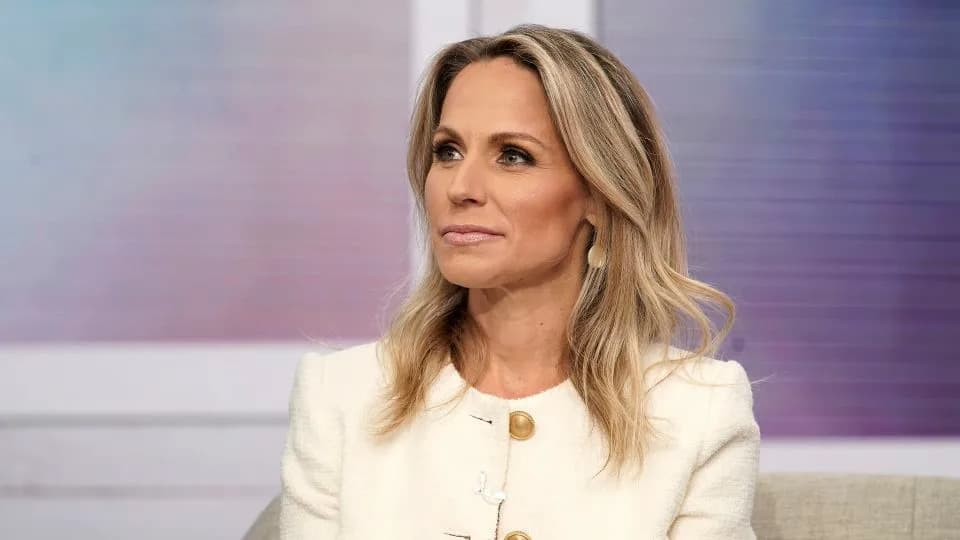
Means is allied with Kennedy’s "Make America Healthy Again" movement and has built a public profile promoting lifestyle and metabolic health. A Stanford University medical school graduate, she co-authored the bestseller Good Energy, has promoted contested practices such as raw-milk consumption to some audiences, and co-founded Levels, a company focused on continuous glucose monitoring and metabolic health.
She has also publicly questioned some vaccine recommendations. In 2024 she criticized the hepatitis B birth dose for infants of parents without the virus, calling it "absolute insanity." The Centers for Disease Control and Prevention later revised its universal recommendation for that dose, advising it only when the mother tests positive for hepatitis B or has not been tested.
Reactions And Stakes
The White House has defended Means’ credentials and said her expertise on chronic disease and metabolic health would advance the administration’s public-health goals. Kennedy-aligned allies and some vaccine-skeptic figures have rallied behind her, arguing that senators are pressuring her to adopt positions that are not central to her agenda.
Public-health watchdogs and virologists caution that the surgeon general’s office plays an important role in communicating vaccine policy and that uncertainty from the nominee could have consequences for public confidence and policy.
As senators weigh her nomination, the debate around Means highlights broader tensions in the administration’s approach to vaccines and public health, and underscores the narrow political path she must navigate to secure confirmation.
Help us improve.