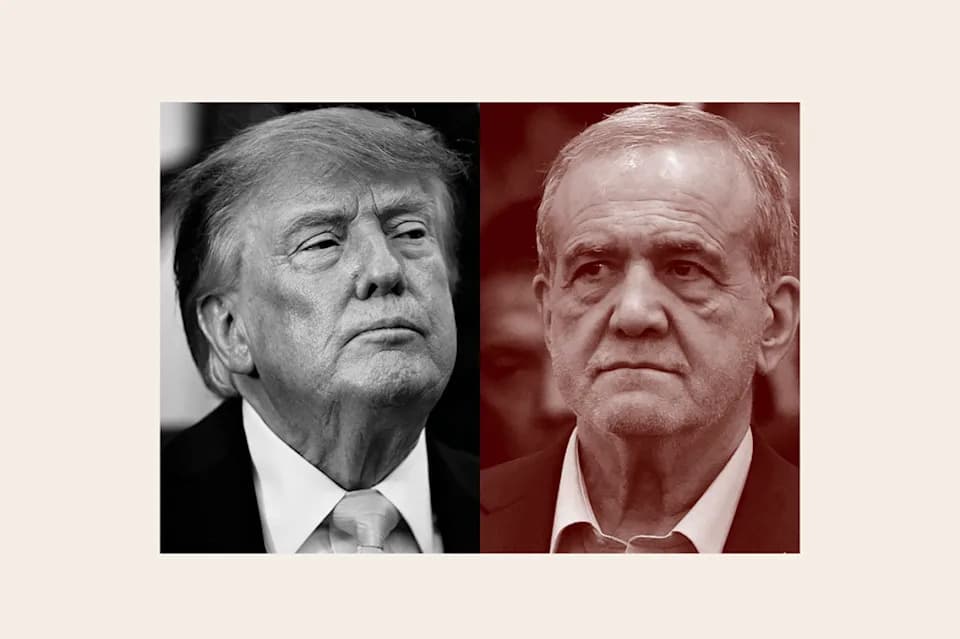
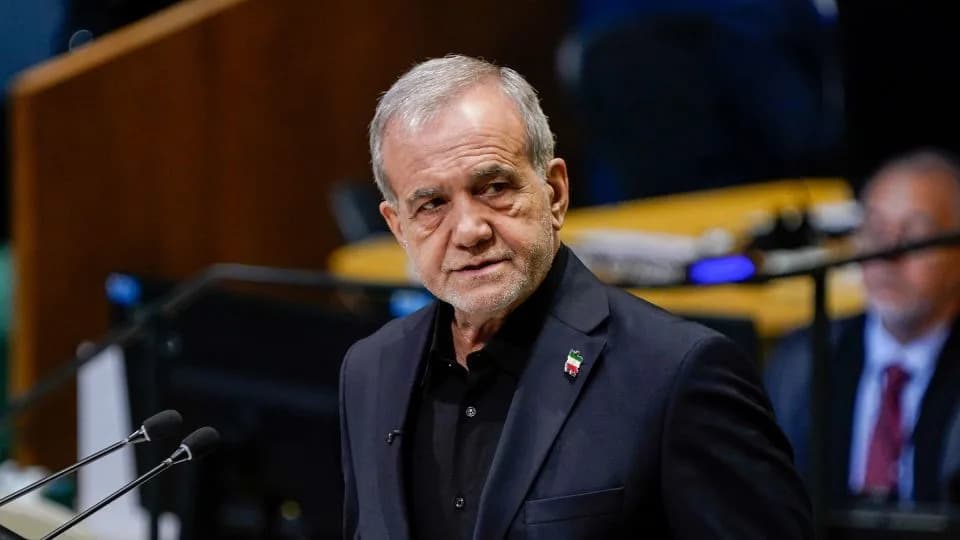
President Trump said he must be involved in selecting Iran’s next supreme leader amid reports that Ayatollah Ali Khamenei was killed. He called a likely succession by Mojtaba Khamenei "unacceptable" and criticized Iran’s Assembly of Experts. Pentagon officials have denied the U.S. is pursuing a regime-change campaign, creating an evident public contradiction. Critics say Trump’s comments fit a broader pattern of signaling he should influence leadership outcomes in countries such as Venezuela, Syria and Iraq, a stance at odds with promises of restrained foreign policy.
Trump Says He Must Approve Foreign Leaders — Iran Not The Only Case
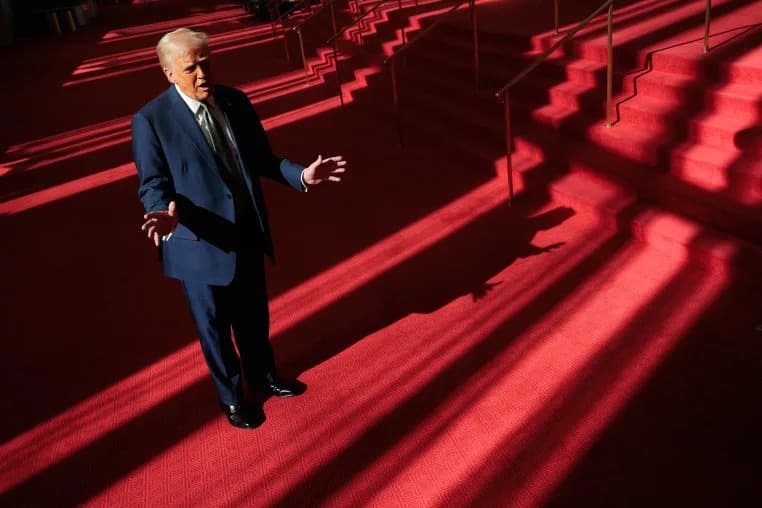
Amid reports that Ayatollah Ali Khamenei has been killed, President Donald Trump told Axios he must be involved in choosing Iran’s next supreme leader — a statement that has prompted debate about U.S. intervention in other countries' political affairs.
Trump's comments and the immediate fallout
In his Axios interview, Trump said, "I have to be involved in the appointment," and later told ABC News correspondent Jonathan Karl, "We don't want them to put anybody in there unless it is approved by us." Several outlets have reported that Mojtaba Khamenei, the ayatollah’s son, is widely seen as a possible successor; Trump called that prospect "unacceptable" and dismissed Iran’s established succession mechanism, the Assembly of Experts, which is the body of senior clerics traditionally charged with selecting a new supreme leader.
Official messaging vs. public statements
At the same time, Pentagon officials have publicly denied that U.S. military operations are intended as a campaign to force regime change. That creates an evident tension: either the U.S. position is not aimed at replacing foreign leadership, or high-level U.S. statements about controlling succession suggest otherwise. The administration has left observers and allies seeking a clearer, consistent explanation.
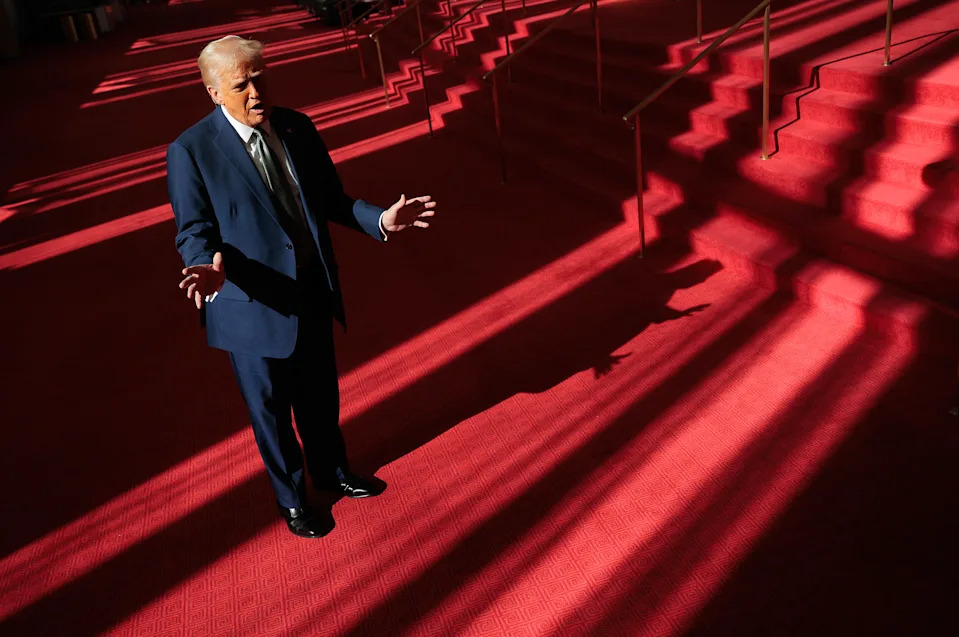
President Donald Trump talks to the media in the Grand Foyer during a tour at the John F. Kennedy Center for the Performing Arts after leading a board meeting on March 17, 2025.(Chip Somodevilla / Getty Images)
A pattern beyond Iran
Observers note a broader pattern in which Trump has spoken as if Washington should have a decisive say over leadership outcomes in other countries. The article cites several examples that illustrate this approach: statements implying involvement in Venezuela’s leadership dynamics, public support for figures in Syria, and comments suggesting the White House would weigh in on potential Iraqi prime ministers such as Nouri al-Maliki.
Why it matters
Critics argue that this posture conflicts with campaign promises of a restrained, non-interventionist foreign policy and raises legal, diplomatic and ethical questions about sovereignty and U.S. norms. Supporters may counter that U.S. national-security interests sometimes require strong engagement. Still, many analysts say the administration needs to clarify whether its objective is to influence foreign leadership or merely to respond to threats — and to reconcile public messaging with official policy.
Whether framed as influence, endorsement or intervention, the president’s statements highlight a continuing debate over the limits of U.S. involvement in other nations’ leadership decisions.
What to watch next
Watch for further statements from the White House and the Pentagon, reporting on Iran’s internal succession process, and international reactions — all of which will shape how allies, adversaries and domestic audiences interpret Washington’s intentions.
Help us improve.