The Kurdistan Freedom Party (PAK) in northern Iraq says it is not preparing an imminent cross-border attack on Iran but would join a U.S.-led ground invasion alongside coalition forces. PAK officials deny receiving material aid from the U.S. or Israel and say some members already operate inside Iran. Iraqi Kurdish authorities insist their territory will not be used as a staging ground, while Iran and allied militias have carried out multiple missile and drone strikes on PAK sites. The situation has heightened tensions with other Iranian opposition groups and revived debates over Kurdish statehood and autonomy.
Kurdish-Iranian PAK Says No Immediate Cross-Border Attack Planned, Would Join U.S. Ground Invasion
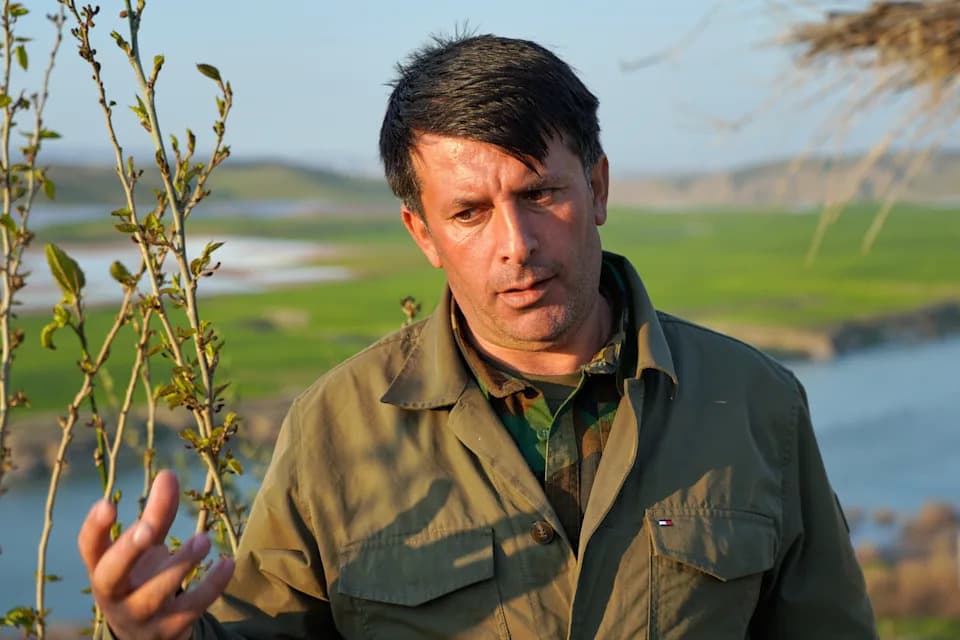
Rebaz Sherifi, military commander at the Kurdistan Freedom Party PAK, speaks during an interview in Irbil, Iraq, Thursday, March 5, 2026. (AP Photo/Rashid Yahya)(ASSOCIATED PRESS)
Irbil, Iraq — Leaders of the Kurdistan Freedom Party (PAK), an armed Kurdish-Iranian dissident group based in northern Iraq, told the Associated Press they are not preparing an immediate cross-border assault on Iran but would participate alongside U.S. coalition forces if Washington launched a ground invasion.
Khalil Nadiri, a PAK spokesman, said the group is not seeking to be the primary “spearhead” of any attack but would enter the conflict alongside coalition forces if a U.S. ground operation were ordered. He added that PAK has armed members already inside Iran who could act without direct cross-border support in the event of an uprising.
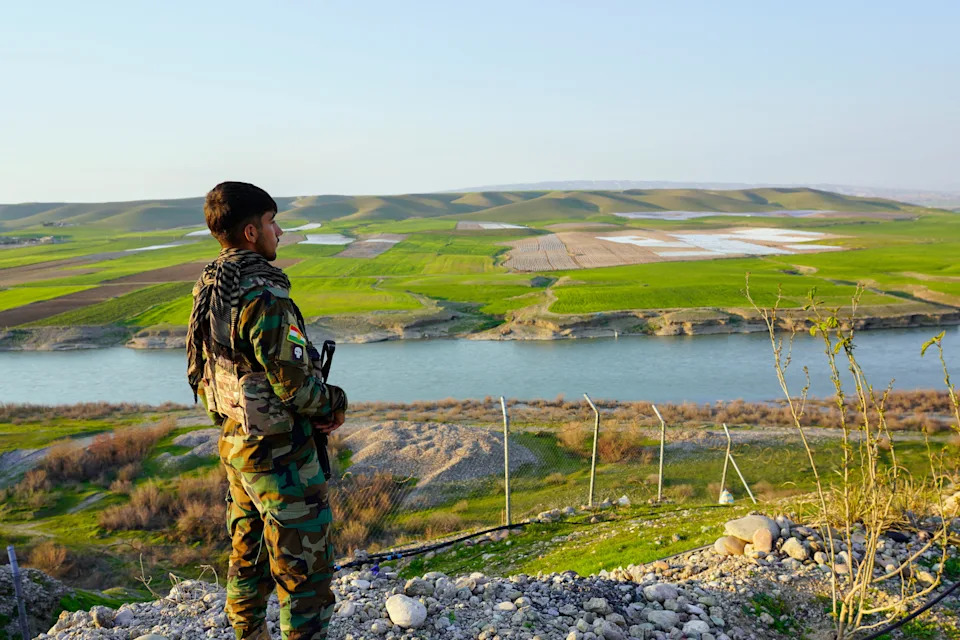
A member of the Kurdistan Freedom Party PAK, stand guard in Irbil, Iraq, Thursday, March 5, 2026. (AP Photo/Rashid Yahya)(ASSOCIATED PRESS)
“If a U.S. ground operation occurs, we would enter alongside coalition forces,” Nadiri said, while stressing that Kurdish fighters should not be positioned as the lead force.
Rebaz Sharifi, a PAK military commander, said it would be “a very positive development” if the U.S. and its allies provided arms to Kurdish groups, but he reiterated that PAK has not received material support from the U.S. or Israel. Both officials confirmed contacts with the United States and Israel but denied receiving weapons or direct logistical aid.
PAK leaders sought to reassure Iraqi Kurdish authorities, who have repeatedly said they do not want anti-Iran operations staged from Kurdistan Region territory for fear of being drawn deeper into the wider Middle East conflict triggered by U.S. and Israeli strikes on Iran. Peshawa Hawramani, a spokesperson for the Kurdistan Regional Government, called allegations that local authorities are arming or sending opposition parties into Iran “completely unfounded” and emphasized the region’s desire to avoid expanding the war.
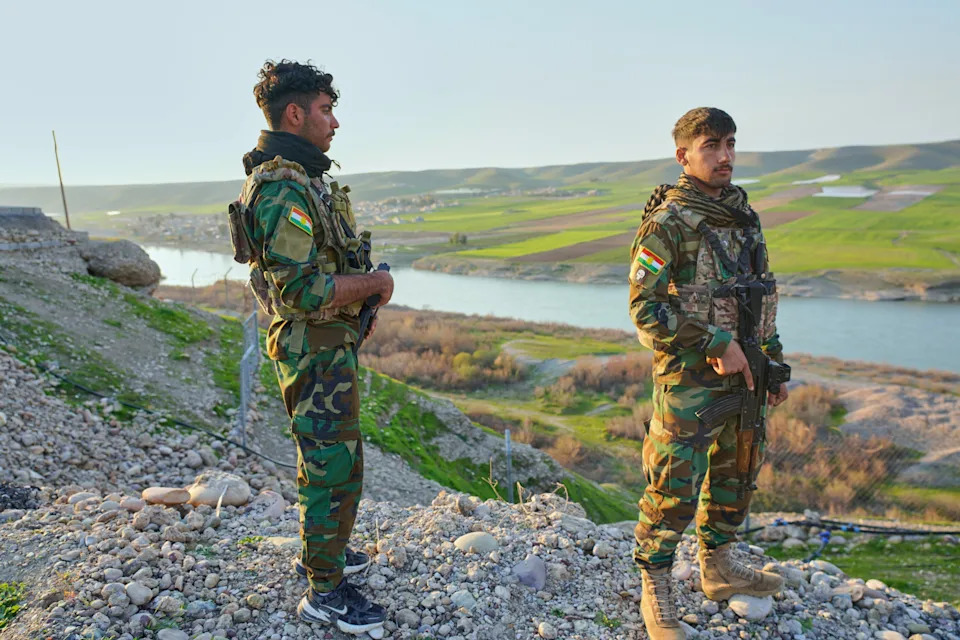
Members of the Kurdistan Freedom Party PAK stand guard in Irbil, Iraq, Thursday, March 5, 2026. (AP Photo/Rashid Yahya)(ASSOCIATED PRESS)
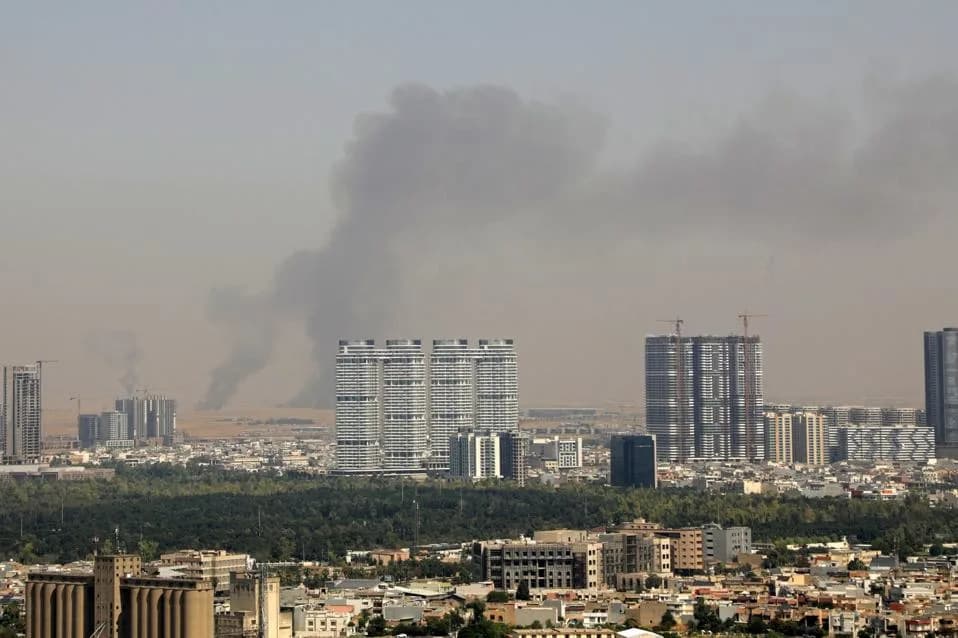
Iran and Iran-aligned Iraqi militias have launched dozens of missile and armed-drone strikes into northern Iraq, targeting U.S. bases and the U.S. consulate in Irbil, as well as facilities used by Iranian Kurdish dissidents. Sharifi said PAK bases have been struck twice by ballistic missiles and four times by drones since the conflict began, killing one fighter and wounding three others.
Political Stakes and Long-Term Goals
The possibility of Kurdish military involvement has heightened tensions with other Iranian opposition elements, including the movement led by Reza Pahlavi, who accuses Kurdish factions of separatism. PAK leaders framed their objectives in nationalist terms: Sharifi described PAK’s long-term aim as Kurdish statehood and reunification across the four countries with Kurdish populations, while Nadiri suggested a confederal arrangement might allow Kurdish areas to remain within Iran with significant autonomy and preservation of identity.
Context: The statements reflect both PAK’s strategic caution—seeking to avoid turning Iraqi Kurdistan into a staging ground—and its readiness to coordinate with a U.S.-led offensive, while denying direct foreign military support to date.
Help us improve.