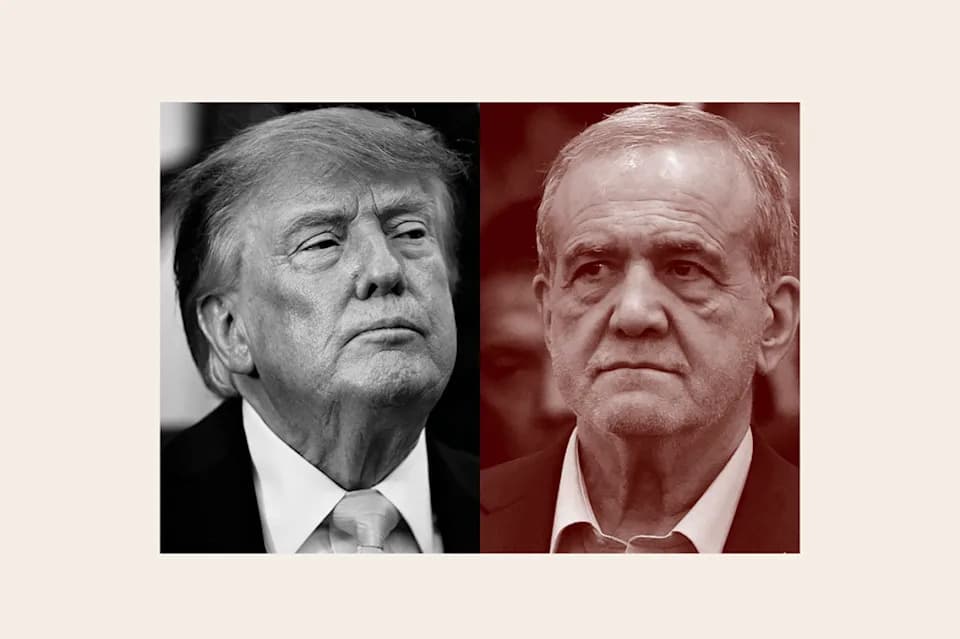
President Trump publicly encouraged Iranian Kurds based in Iraq to attack Iran, calling such action “wonderful,” but KDPI leaders say any U.S. material support remains unconfirmed. Amanj Zabtaee of the KDPI declined to say whether promises had been made, calling it “too sensitive,” even as the group sees the conflict as an opportunity to challenge Tehran. Kurdish fighters are lightly armed and vulnerable without air cover, and historical U.S. withdrawals have made Kurdish factions cautious. Recent drone and missile strikes near northern Iraq bases underscore the risks of escalation.
Trump Encourages Iranian Kurds to Strike Iran — But U.S. Support Remains Unclear
Trump encourages Iranian Kurds to attack Iran, but will he help them?
Northern Iraq — Seven days into a U.S.-Israeli military campaign against Iran, President Donald Trump has publicly said he wants to “go in and clean out” Iran’s leadership and demanded the regime’s “unconditional surrender.” He added in a Reuters interview that it would be “wonderful” if Iranian Kurds based across the border in Iraq joined the fight, saying: “I think it's wonderful that they would want to do that. I'd be all for it.”
KDPI Seeks Opportunity — But Material Support Is Unconfirmed
One potential regional partner is the Democratic Party of Iranian Kurdistan (KDPI), a lightly armed group that represents Iran’s Kurdish minority (roughly 10% of the population). KDPI leaders told CBS News they are in contact with U.S. officials and hope the current crisis could create an opening to challenge Tehran. When asked directly whether Washington had promised material support, Amanj Zabtaee, a member of the KDPI leadership committee, declined to answer, calling the matter “too sensitive.”
“But the reality at the moment is both sides have the same goal, and it is the toppling of the Islamic regime,” Zabtaee said. “We have the same goal. This is why we could be help to each other.”
Vulnerabilities and Recent Attacks
CBS News visited the KDPI base in northern Iraq in January; it sits roughly 30 miles from the Iranian border. The force is lightly equipped and includes many young women fighters, some of whom said they fled Iran because of the country’s treatment of women. On Friday, a camp belonging to another Iranian Kurdish group, the Khabat Organization, reported a drone strike and believed the attack was carried out either by Iran or Iran-backed militias operating in Iraq. Later that day the KDPI base was hit by two missiles and three drones; there were no reported casualties.
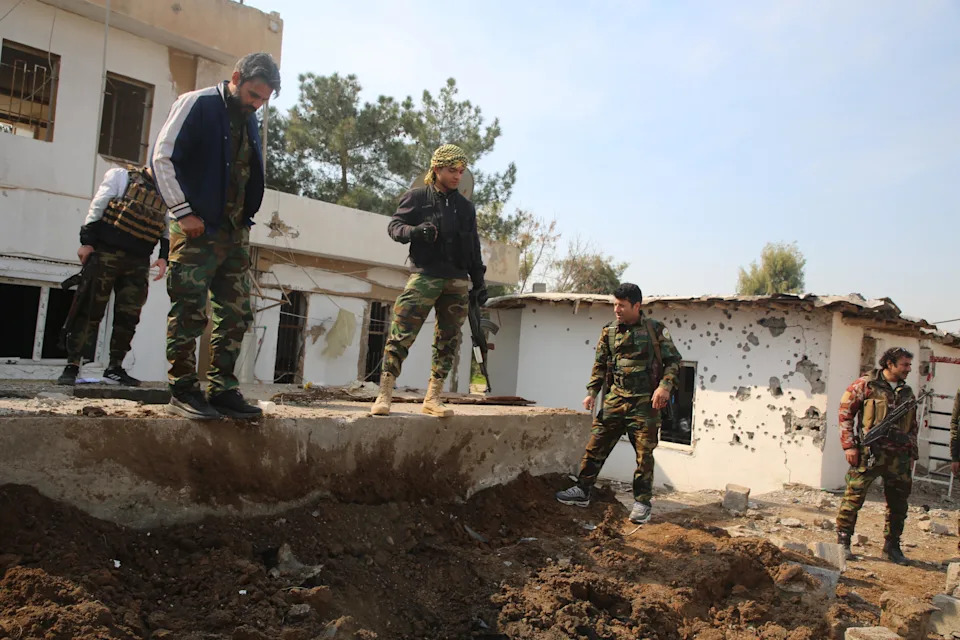
Members of the Khabat Organization of Iranian Kurdistan, a lightly-armed Iranian Kurdish faction based in northern Iraq, inspect damage from a drone strike at their base, March 6, 2026. / Credit: CBS News(CBS News)
Why Kurds Are Nervous: Historical Precedent
Many Kurdish groups are wary of relying on U.S. support because of past instances when Washington pulled back after Kurdish partners provided critical battlefield assistance. In the 1970s, Iraqi Kurdish insurgents who cooperated with U.S. and Iranian interests were later left exposed after diplomatic deals. In the 1990s, Kurdish and Shiite uprisings encouraged by Washington were not adequately defended against reprisals. More recently, Syrian Kurdish SDF forces were key U.S. partners against ISIS but lost much territory after policy shifts in 2019.
How Dangerous Would an Escalation Be?
Analysts and Kurdish leaders alike warn that Iran is a far more capable adversary than groups the Kurds have faced previously. Tehran fields thousands of drones and ballistic missiles, advanced intelligence apparatus, and large conventional forces, making any cross-border offensive by lightly armed Kurdish units extremely risky without air cover and other material support.
KDPI’s Position: Leaders say they view the moment as a rare opportunity after decades of opposition to the Iranian regime. Zabtaee emphasized continued commitment regardless of immediate outside assistance: “If something like this [air support] can happen, it will be great. But if it doesn't happen, it doesn't mean that we will be less committed to our cause.”
Help us improve.