
Iranian Kurdish militias based in Iraqi Kurdistan have held talks with U.S. officials about a possible cross-border operation against Iran's western security forces, sources say. The groups have trained for such an operation and have sought U.S. military and possible CIA assistance, though no decision has been made. Supporters say an attack could create space for anti-regime mobilization amid reports—unverified by Reuters—of high-level Iranian casualties. Any operation would carry significant regional risks and likely require substantial U.S. support.
U.S. Holds Talks With Kurdish Militias Over Possible Strike Inside Iran, Sources Say

FILE PHOTO: A missile launched from Iran is intercepted, amid the U.S.-Israeli conflict with Iran, in Ashkelon, Israel, March 4, 2026. REUTERS/Amir Cohen/File Photo
WASHINGTON, March 3 (Reuters) - Iranian Kurdish militia groups based in Iraqi Kurdistan have held recent talks with U.S. officials about whether, and if so how, to carry out attacks on Iran's security forces in the country's western provinces, three people familiar with the discussions said.
Coalition Preparing Cross-Border Option
The coalition of Iranian Kurdish factions, based along the Iran-Iraq frontier in the semiautonomous Kurdistan Region of Iraq, has been training to conduct such an operation with the stated aim of degrading Tehran's military capabilities as U.S. and Israeli strikes have reportedly hit Iranian targets.
Two sources said proponents hope a Kurdish incursion could create space for Iranians opposed to the Islamic Republic to mobilize, citing reports that Supreme Leader Ali Khamenei and other senior officials had been killed in recent U.S.-Israeli strikes—claims Reuters could not independently verify.
U.S. Involvement and Requests for Support
The sources, who spoke on condition of anonymity because the planning is sensitive, said no final decision has been made about whether to proceed or on the timing of any operation. The Kurdish groups have requested U.S. military backing, and officials in Erbil and Baghdad have engaged with the Trump administration in recent days, the sources added.
Two sources said the groups discussed possible assistance from the CIA to help supply weapons. CNN and Axios have reported aspects of U.S. involvement; Reuters could not independently confirm the extent of any CIA role, whether weapons were provided, or whether U.S. personnel would accompany Kurdish fighters into Iran.
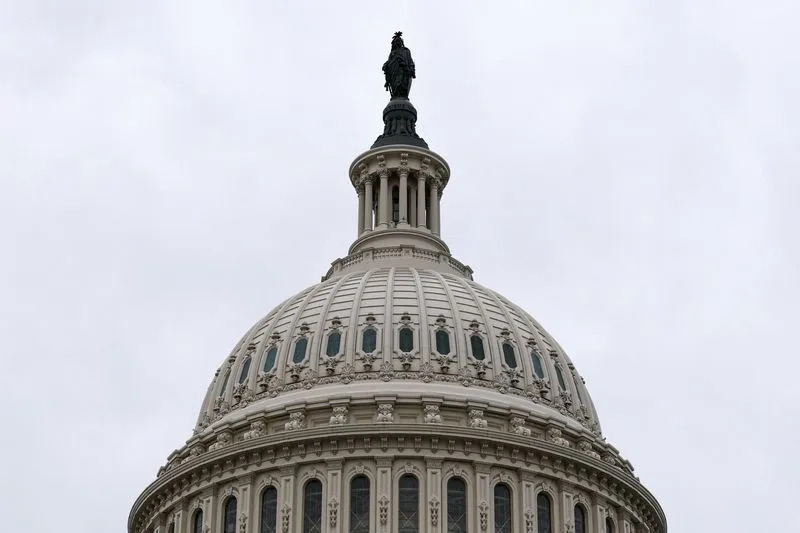
A view of the U.S. Capitol building after the United States and Israel launched strikes on Iran over the weekend, in Washington, D.C., U.S., March 2, 2026. REUTERS/Kylie Cooper
The CIA declined to comment. The White House, the Pentagon and the Kurdish Regional Government did not immediately reply to requests for comment.
Operational Challenges And Regional Risks
Any cross-border operation launched from Iraqi territory would likely require substantial U.S. military and intelligence support, the sources said. Two U.S. bases in Erbil have supported the international coalition that fought Islamic State militants, and Kurdish forces in Iraq have a long record of cooperation with Washington—though shifting alliances and differing ideologies have at times strained ties.
How effective Iranian Kurdish factions would be conducting operations inside Iran is uncertain: fighters among the groups possess varying levels of battlefield experience. One source quoted by CNN described a plan in which Kurdish armed units would engage Iranian security forces to facilitate an uprising of unarmed Iranians in the country's cities.
Regional reactions are unclear and could be severe. An armed Kurdish push inside Iran could destabilize parts of the country and risk fueling separatist sentiment among Iran's ethnic Baluch minority, which has links to separatist groups in Pakistan's restive Balochistan province. Pakistan would be unlikely to tolerate any move toward Baluch independence.
Turkey is also unlikely to welcome arms flows or enhanced capabilities among Kurdish groups near its borders, given Ankara's long-standing security concerns about Kurdish militancy and its efforts to manage ties with various Kurdish factions in Syria and Iraq.
Reporting: Erin Banco, Humeyra Pamuk and Jonathan Landay; Editing: Don Durfee and Clarence Fernandez. Reuters could not independently verify all claims in this report.
Help us improve.





















