Melvin Vopson of the University of Portsmouth proposes a Second Law of Infodynamics, arguing that information entropy can remain constant or decrease—behavior he says contrasts with thermodynamic entropy. He applies this idea to atomic physics, cosmology and biological mutation patterns, citing an AIP Advances study of SARS-CoV-2. The claim suggests built-in data optimization consistent with a simulated universe but remains provisional and requires extensive independent verification.
Scientist Says He Has Evidence We Live in a Simulation — What the Claim Actually Means
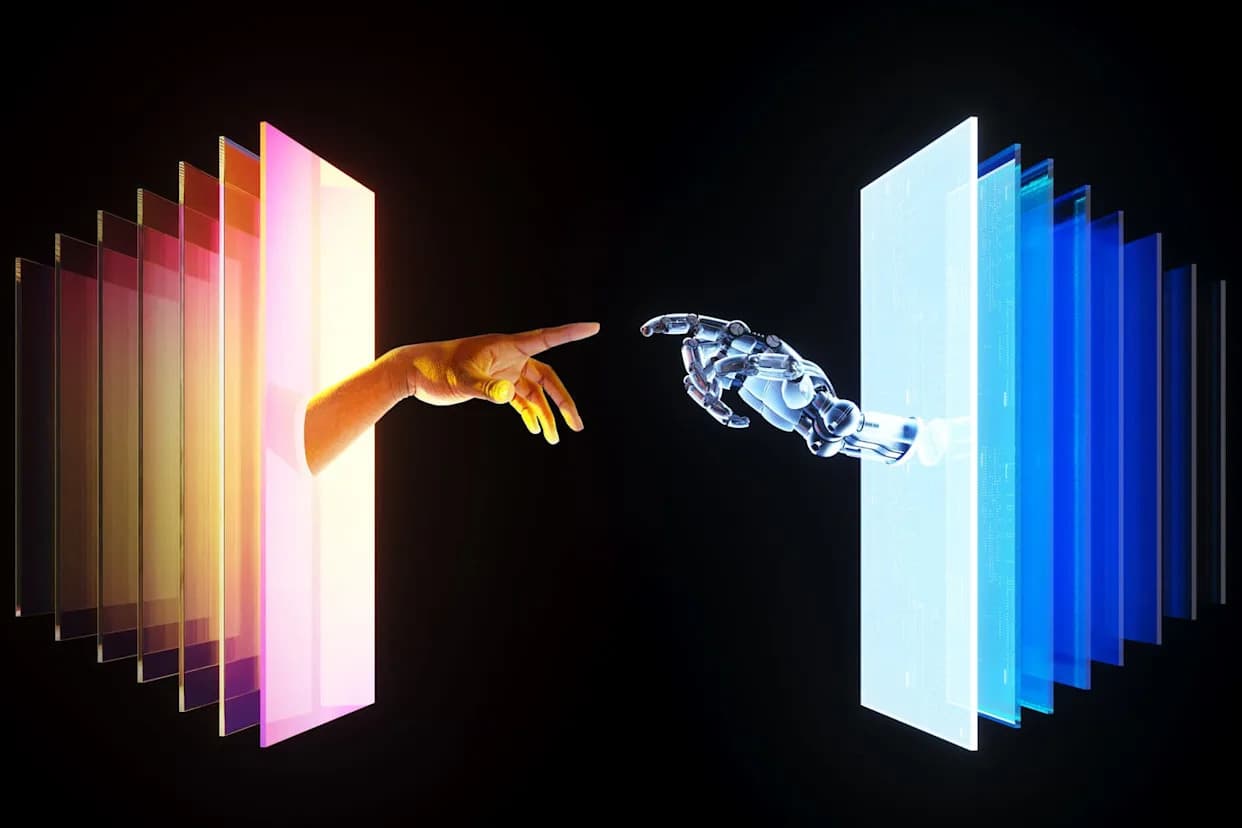
Does This Evidence Prove Life is a Simulation?Andriy Onufriyenko - Getty Images
University of Portsmouth researcher Melvin Vopson has reignited debate over the simulation hypothesis by proposing a new principle he calls the Second Law of Infodynamics. Vopson argues that patterns in information entropy—how information becomes more or less ordered—could point to an underlying digital architecture of the universe.
What Vopson Proposes
Vopson frames his idea around a perceived tension with the classical second law of thermodynamics, which states that entropy (a measure of disorder) in an isolated physical system cannot decrease. Drawing on earlier work in which he treated information as a distinct state with physical properties, he suggests an alternate behavior for information entropy: it can remain constant or even fall toward a minimum at equilibrium.
“We know the universe is expanding without the loss or gain of heat, which requires the total entropy of the universe to be constant... I argue this shows that there must be another entropy—information entropy—to balance the increase,” Vopson wrote in The Conversation.
Evidence Cited
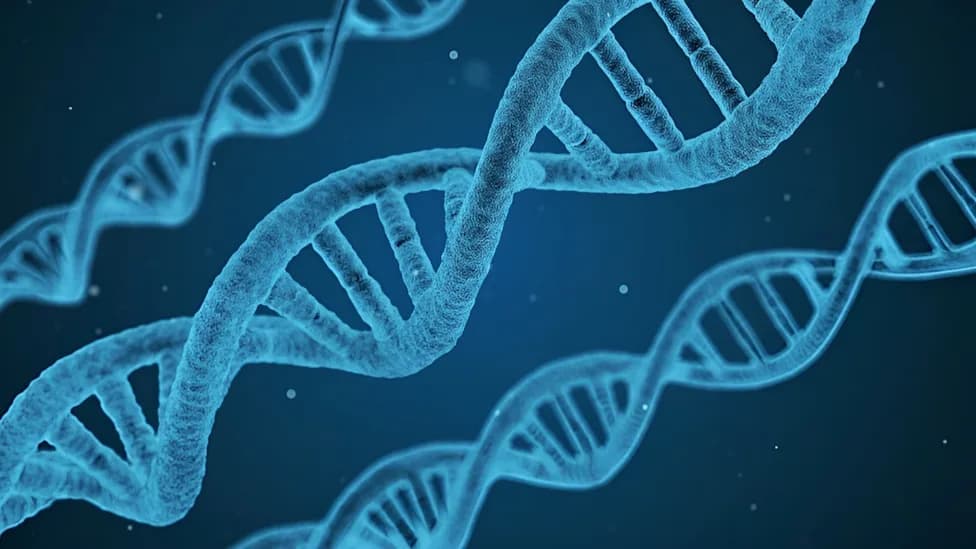
Vopson points to multiple domains where he believes information-entropy behavior appears meaningful: atomic-scale patterns (electron arrangements), cosmological observations, and biological systems. In biology, he challenges the notion that mutations are purely random and reports a correlation between information metrics and mutation dynamics in SARS-CoV-2. That analysis appears in the journal AIP Advances.
From Infodynamics to a Simulated Universe
Linking these observations, Vopson argues that a large, complex simulation would likely need built-in data optimization and compression to limit computational load—features that could produce the information-entropy patterns he describes. He presents this as a potential indicator of a digitally driven cosmos.
How the Scientific Community Should View This
Provocative but preliminary: Vopson’s Second Law of Infodynamics is an intriguing, testable idea, but it is not a settled discovery. His claims require independent replication, clearer theoretical grounding, and broader peer review before they could be accepted as evidence for a simulated universe. Many researchers remain skeptical; others have published counterarguments or alternative explanations for the observed patterns.
In short, the proposal revives a long-standing philosophical question with a fresh, information-theory angle—but significant experimental and theoretical work is needed to evaluate whether those informational patterns reflect simulation, novel physics, or known natural processes.
Help us improve.