
The conflict expanded as Iranian forces and allied militias launched missile and drone strikes at Israel and Gulf states while U.S. and Israeli forces struck targets inside Iran. The Iranian Red Crescent reported at least 555 dead and 131 cities hit in Iran. Attacks reportedly struck the U.S. Embassy compound in Kuwait and energy infrastructure including Saudi Arabia’s Ras Tanura refinery, exacerbating global market and humanitarian concerns. Many claims remain unverified amid rapidly evolving reports.
Region-Wide Escalation: Iranian-Backed Militias Strike Gulf and Israel as U.S. and Israeli Air Campaigns Hit Iran
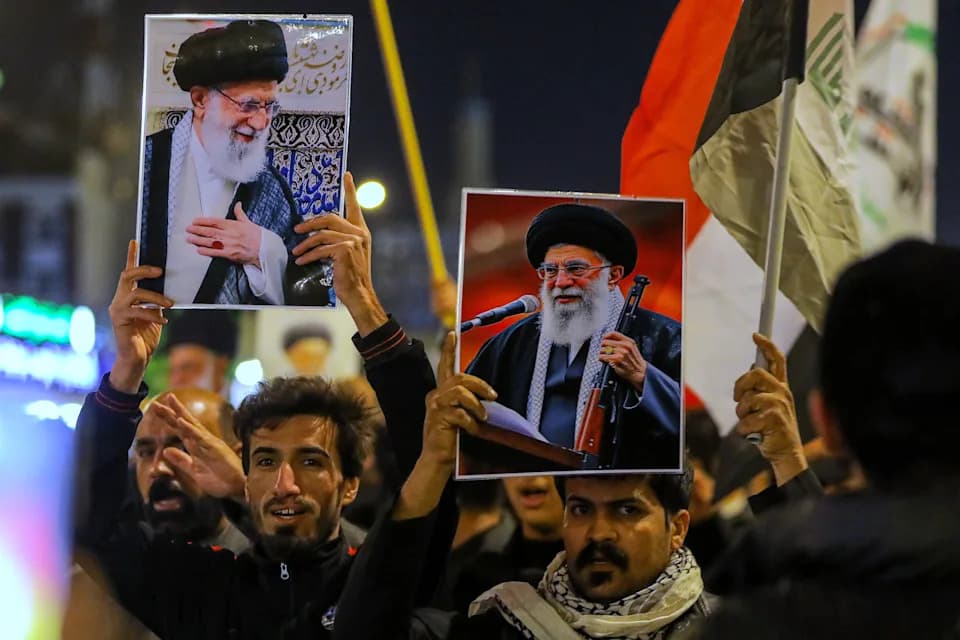
Iraqi Shiites hold pictures of Iranian Supreme Leader Ayatollah Ali Khamenei, who was killed by a U.S. airstrike in Tehran, during a symbolic funeral, in Najaf, Iraq, Sunday, March 1, 2026. (AP Photo/Anmar Khalil)(ASSOCIATED PRESS)
The conflict in the Middle East widened Monday as Iranian forces and Iranian-backed militias launched missiles and drones at Israel and several Gulf states while U.S. and Israeli aircraft conducted strikes inside Iran. Reports from Iranian relief agencies and regional officials painted a scene of growing destruction, disrupted energy supplies and mounting civilian casualties.
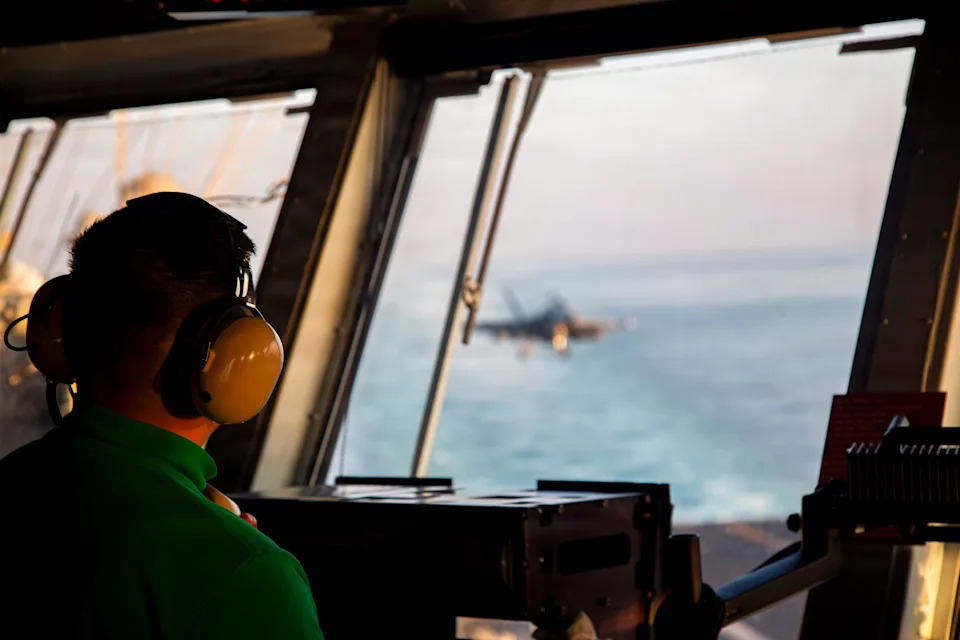
This image provided by U.S. Central Command shows a Navy sailor observing flight operations aboard the USS Abraham Lincoln (CVN 72)) in support of Operation Epic Fury, on Saturday, Feb. 28, 2026. (U.S. Navy via AP)(ASSOCIATED PRESS)
What Happened
Iranian and proxy forces reportedly fired strikes at Israel, the United Arab Emirates, Kuwait, Bahrain and other targets across the region. Authorities in Kuwait said the U.S. Embassy compound was struck and that smoke was visible inside the compound. Kuwait’s defense ministry also reported that “several” American warplanes crashed inside the country; officials gave few details and U.S. forces did not immediately comment.
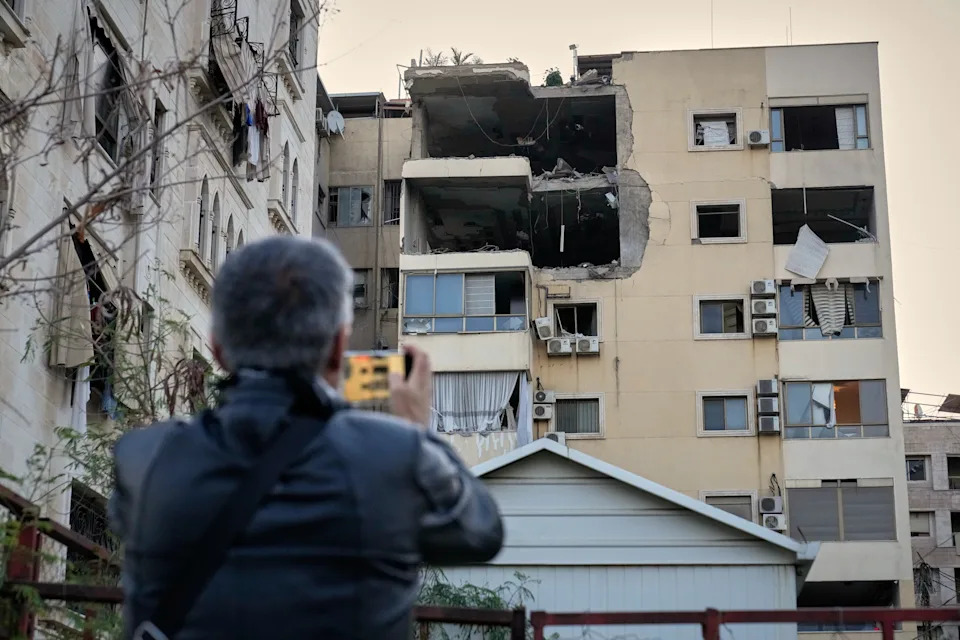
A man takes pictures of the damage in an apartment building after it was hit by an Israeli airstrike in Dahiyeh, Beirut's southern suburb, Lebanon, Monday, March 2, 2026. (AP Photo/Hussein Malla)(ASSOCIATED PRESS)
U.S. and Israeli air forces said they struck Iranian missile sites and naval facilities, including attacks using B-2 stealth bombers on ballistic missile infrastructure. Officials claimed several Iranian warships and a naval headquarters were destroyed; these assessments have not been independently verified.
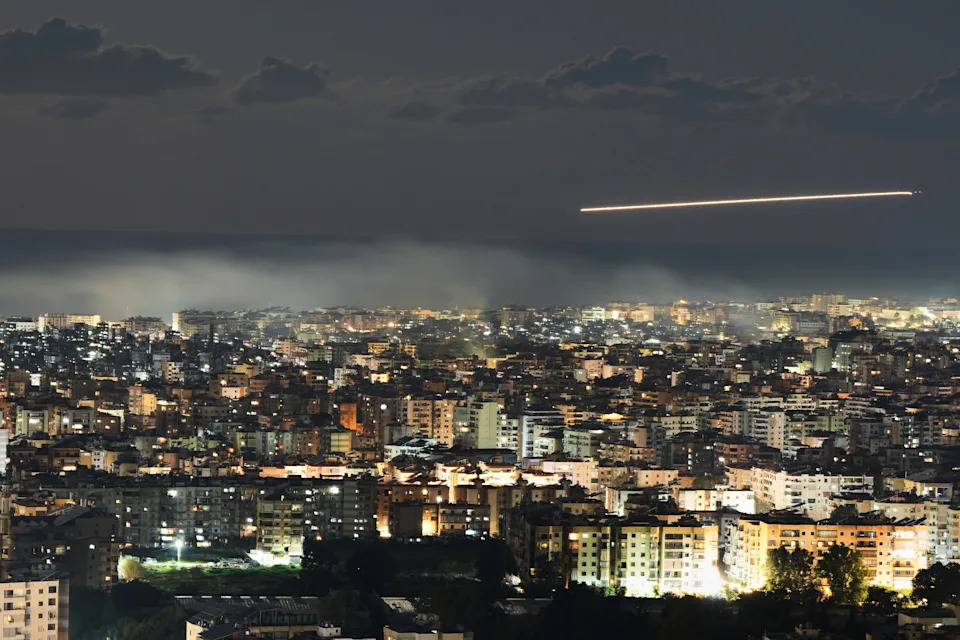
In this photo taken with a slow shutter speed, a Middle East Airlines plane flies over Beirut as smoke rises from Israeli airstrikes on Dahiyeh in Beirut's southern suburbs, early Monday, March 2, 2026. (AP Photo/Hassan Ammar)(ASSOCIATED PRESS)
Casualties and Damage
The Iranian Red Crescent Society told state media that the campaign inside Iran had killed at least 555 people and affected 131 cities; those figures are the agency’s reported counts. Lebanon’s Health Ministry reported at least 31 deaths and 149 wounded after Israeli strikes there. In Israel, authorities said multiple sites were hit, including a synagogue in Beit Shemesh where officials reported nine killed and 28 wounded.
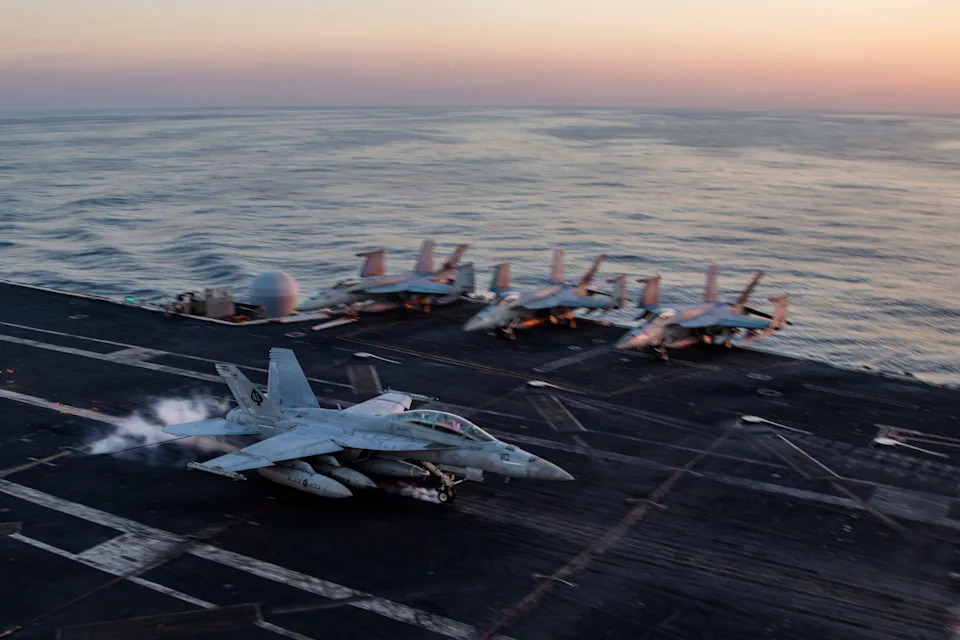
This image provided by U.S. Central Command shows a F/A-18F Super Hornet preparing to make an arrested landing on the USS Abraham Lincoln (CVN 72)) in support of Operation Epic Fury, on Saturday, Feb. 28, 2026. (U.S. Navy via AP)(ASSOCIATED PRESS)
Across the Gulf, authorities reported civilian casualties in the UAE, Kuwait and Bahrain. Saudi officials said drones attacked the Ras Tanura refinery near Dammam — a facility that processes more than 500,000 barrels per day — though air defenses were reported to have intercepted incoming drones.
Regional Reactions and Militias
Hezbollah in Lebanon said it fired missiles into Israel in response to what it described as the killing of Iran’s Supreme Leader, a claim tied to earlier battlefield reports; Israeli defenses intercepted some projectiles and others fell in open areas. Iraqi Shiite militias claimed drone attacks against U.S. forces at Baghdad and Erbil. Cyprus reported a drone strike that struck a British base on the island.
Economic and Humanitarian Concerns
Markets were rattled and oil prices rose amid attacks on energy infrastructure and threats to shipping in the Strait of Hormuz, a key global oil transit route. The World Health Organization urged all parties to protect civilians and health-care facilities as the conflict intensifies.
What Remains Unclear
Independent verification of several major claims — including the reported deaths of senior leaders, the exact number of aircraft losses, and the full scale of naval damage — remains limited. Many figures cited here are based on statements from governments, relief agencies and involved parties.
Note: This account synthesizes multiple official statements and media reports; where possible, we present figures and assertions as reported rather than independently confirmed.
Help us improve.





















