
U.S.-Iran diplomatic talks in Geneva collapsed after Iranian officials rejected a U.S. demand to suspend uranium enrichment for 10 years. Within days, the Trump administration launched "Operation Epic Fury," striking Iranian naval, missile and command targets; Ayatollah Ali Khamenei was killed during the operation. The strikes triggered Iranian counterattacks, regional disruptions — including over 1,500 flight cancellations — and U.S. military casualties in Kuwait. The long-term political and strategic consequences remain uncertain.
How Trump Ordered Strikes on Iran After Geneva Talks Collapsed
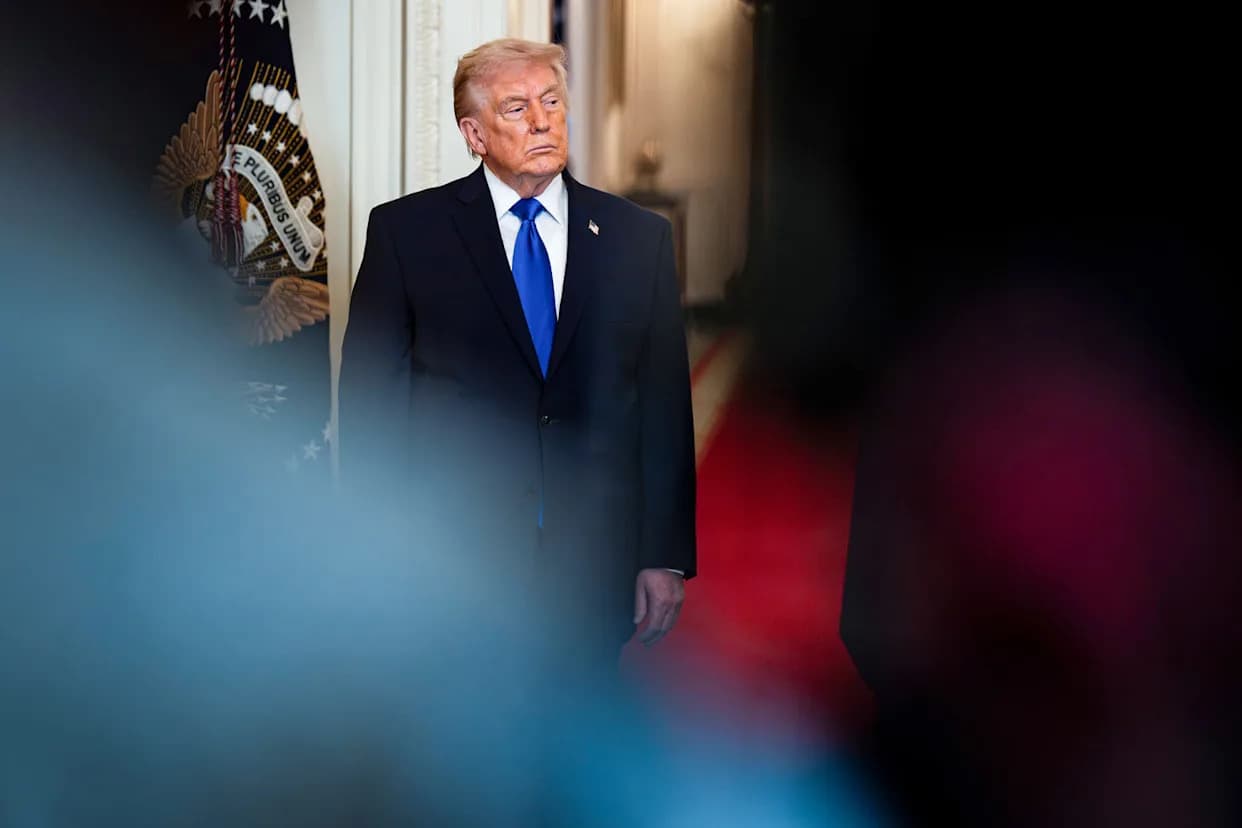
President Donald Trump ordered strikes on Iran after growing frustrated with prolonged negotiations. (Al Drago / Bloomberg via Getty Images)(Al Drago)
WASHINGTON — A final diplomatic effort to prevent a military confrontation with Iran unraveled in Geneva, setting in motion a rapid U.S. escalation that culminated in strikes on Iranian targets and the death of Supreme Leader Ayatollah Ali Khamenei.
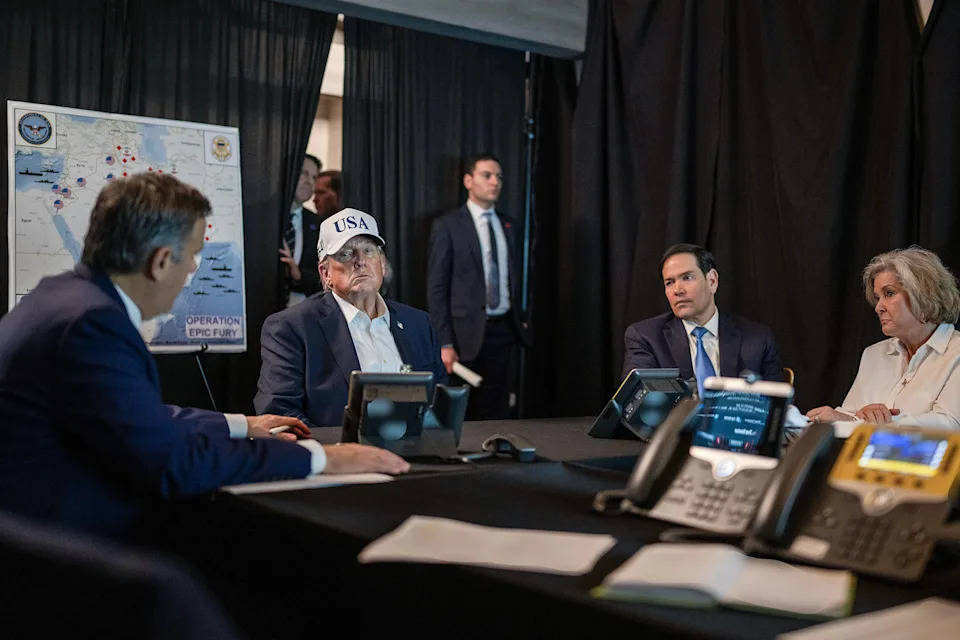
President Donald Trump oversaw "Operation Epic Fury" at Mar-a-Lago in Palm Beach, Fla., on Saturday. (Daniel Torok / White House via Getty Images)(Daniel Torok)
Breaking Down the Geneva Meeting
U.S. officials told Iranian representatives they must cease steps needed to develop a nuclear weapon. The American delegation proposed that Iran suspend uranium enrichment for 10 years; Iranian Deputy Foreign Minister Abbas Araghchi rejected the demand, asserting Iran’s "inalienable right" to enrich uranium. A tense exchange followed, during which a U.S. participant, Steve Witkoff, is reported to have said the United States has an "inalienable right" to prevent a weapons program. The meeting ended without agreement.
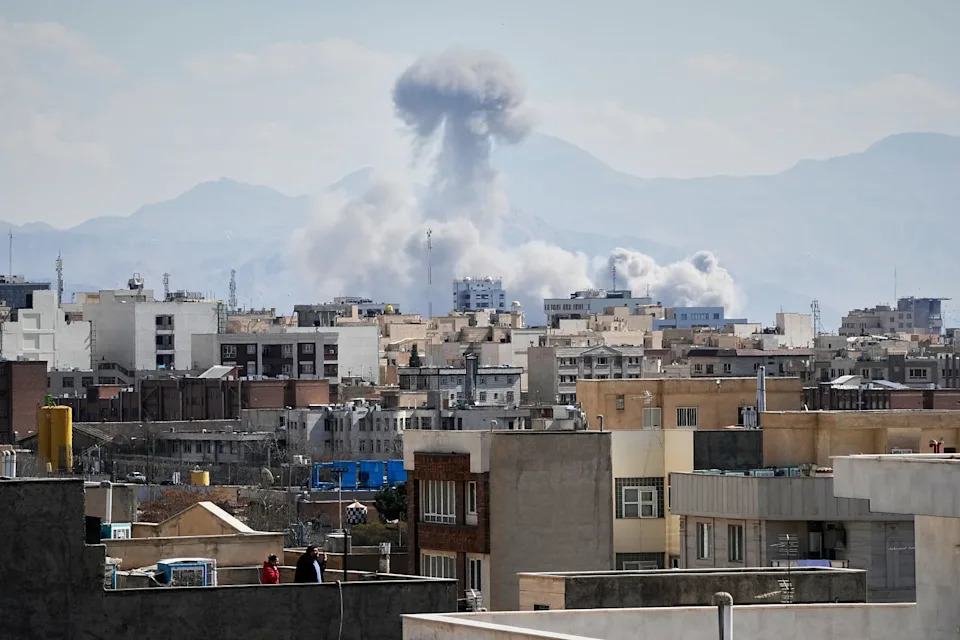
People watch from a rooftop as a plume of smoke rises from a strike in Tehran, Iran, on Sunday. (Vahid Salemi / AP)(Vahid Salemi)
From Diplomacy To Military Action
When the U.S. delegation debriefed President Trump, he was described as "nonplussed." Within days, the administration moved from words to action. In a video posted at 2:30 a.m. ET, Trump announced that "major combat operations" against Iran had begun, and shortly thereafter U.S. forces launched what the administration called Operation Epic Fury.
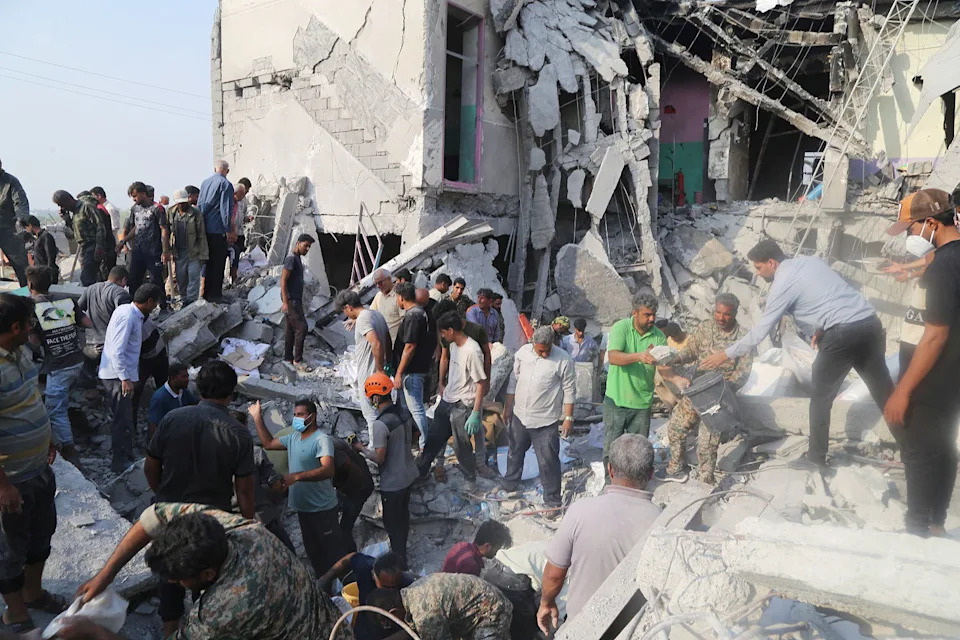
The aftermath of an Israeli strike on a school in Minab, Iran, on Saturday. (Abbas Zakeri / Mehr News via Reuters)(Abbas Zakeri)
What the U.S. Said Led to the Decision
"They weren’t willing to stop their nuclear research. They weren’t willing to say they will not have a nuclear weapon. Very simple." — President Trump, on why he ordered the strikes.
U.S. negotiators say they offered incentives, including providing civilian nuclear fuel at no cost; Iranian representatives reportedly rejected those offers. The diplomatic impasse occurred amid a substantial U.S. military buildup in the region and intensified economic pressure intended, officials say, to foment domestic unrest in Iran.
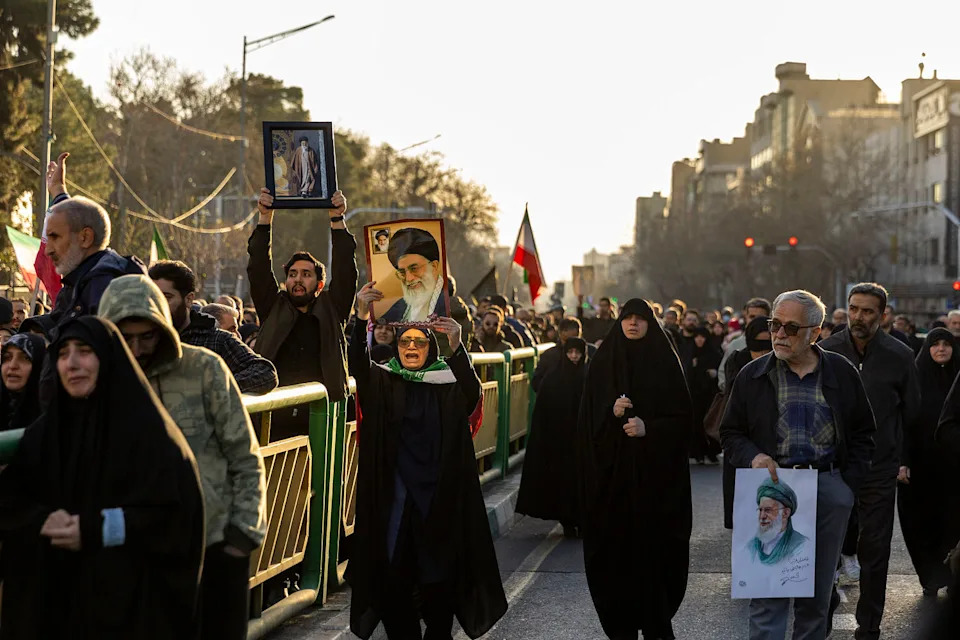
People hold posters and flags as thousands gather in Enghelab Square in Tehran on Sunday for a pro-government demonstration after Ayatollah Ali Khamenei was killed. (Majid Saeedi / Getty Images)(Majid Saeedi)
Operation Epic Fury: Scope And Targets
The assault began at 1:15 a.m. ET Saturday (9:45 a.m. Tehran) and employed B-2 stealth bombers, fighter aircraft, missiles, rockets and other systems to strike Iran’s navy, missile sites, command-and-control centers and air-defense networks. U.S. and Israeli intelligence had tracked Khamenei’s movements and planners shifted the attack to daylight in an effort to target senior leadership; the supreme leader was killed during the operation.
Regional Fallout
The strikes prompted widespread Iranian counterattacks, air-raid sirens in Israel and cancellations of more than 1,500 flights to the region. Iranian strikes in Kuwait killed three U.S. service members and wounded five others, according to U.S. officials. Hundreds of targets across Iran were struck amid the exchange of strikes and counterstrikes.
Political Context And Reactions
Trump framed the operation as decisive and said he hoped it might spur internal opposition to Iran’s ruling regime, though analysts cautioned that successors could be equally hard-line. Critics warned that brief strikes without a clear post-conflict strategy risked failing to achieve durable change. Supporters in Congress said the administration remained prepared for further action until objectives were met.
Aftermath And Uncertainties
The long-term consequences for regional stability, U.S. forces and Iranian governance remain uncertain. U.S. officials said they could not guarantee what regime change — if any — would follow, and intelligence assessments warned that killing Iran’s supreme leader could lead to replacement by similarly hard-line figures. The conflict continues to reverberate across the Middle East and beyond.
This article synthesizes official accounts and public statements reported by NBC News and others.
Help us improve.





















