
Quick Take: Joint U.S.-Israeli strikes were reported to have hit senior Iranian leadership sites, and multiple outlets say Ayatollah Ali Khamenei was killed. Tehran responded with widespread strikes across the Middle East, hitting countries that host U.S. forces and causing civilian casualties and infrastructure damage. Iran formed a provisional leadership council while the Assembly of Experts prepares to select a new supreme leader; independent verification of many claims remains limited and numbers may change.
Reported Killing Of Iran’s Supreme Leader Khamenei Sparks Regional Retaliation — What We Know
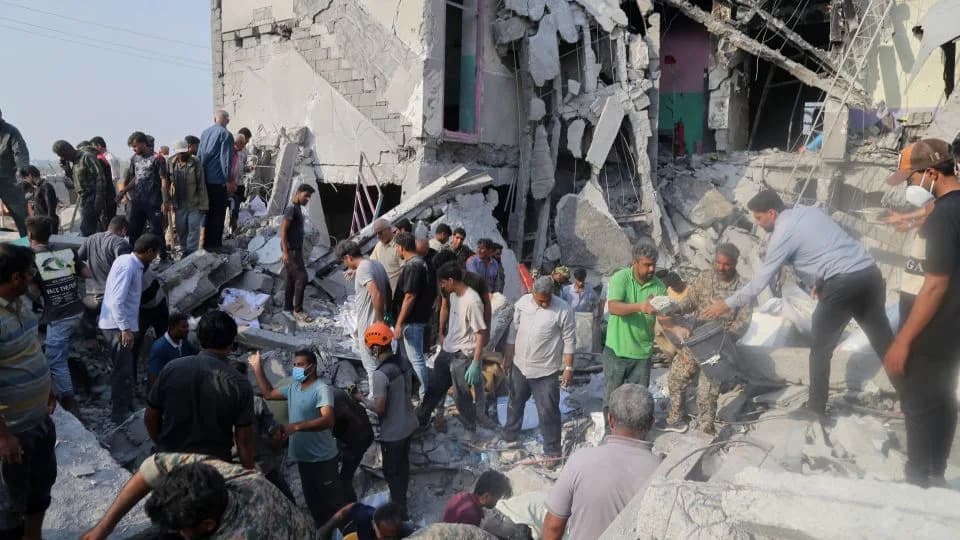
Rescue workers and residents search through the rubble in the aftermath of an US-Israeli strike on a girls' elementary school in Minab, Iran, on Saturday. - Abbas Zakeri/Mehr News Agency/AP
Joint air operations carried out by the United States and Israel were reported to have struck senior Iranian leadership sites in Tehran, and multiple outlets say the attacks killed Ayatollah Ali Khamenei, Iran’s supreme leader for nearly four decades. Officials from the U.S., Israel and Iran have offered differing accounts; where possible this article attributes claims to their sources and notes when information remains unconfirmed.
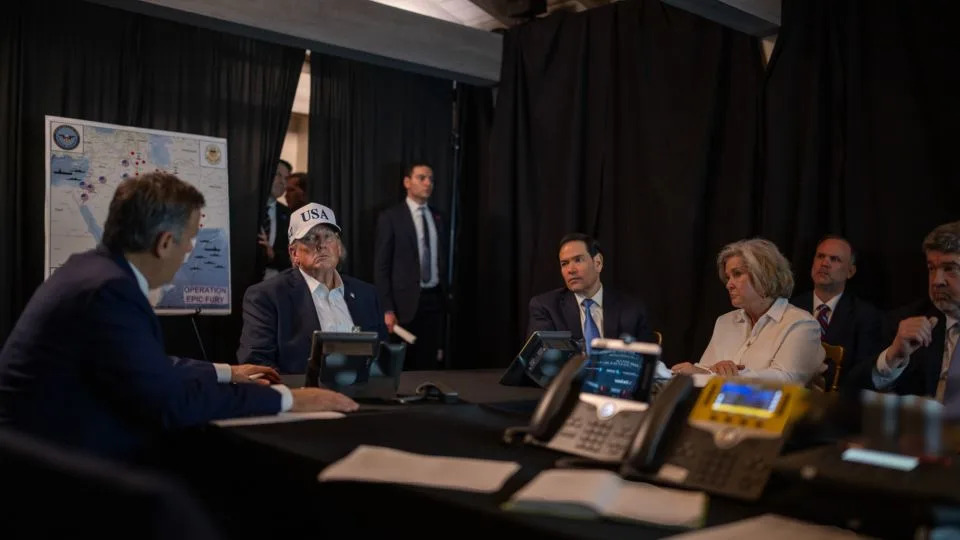
In this image released by the White House on X, President Donald Trump monitors US military operations in Iran on Saturday. Portions of the photo have been blurred by the source. - The White House/X
Overview
President Donald Trump announced the strikes on social media, calling them a "major" operation aimed at eliminating what he described as "imminent threats from the Iranian regime." Israeli leaders supported continued strikes, and both capitals framed the action as necessary to prevent Iran from acquiring or advancing a nuclear-capable arsenal and to punish long-standing regional aggression.
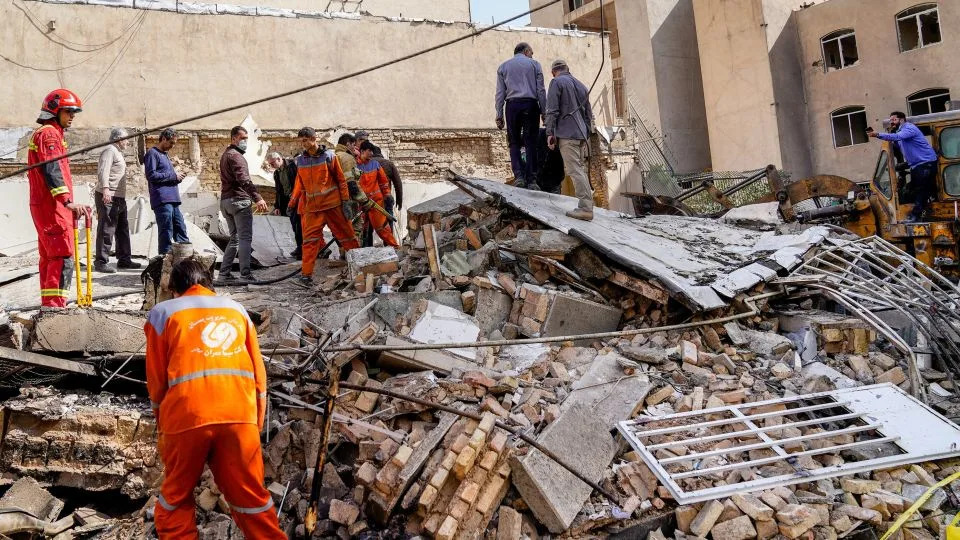
A view shows the aftermath of a US-Israeli strike on a building in Tehran, on Saturday. - Amir Kholousi/ISNA/Wana News Agency/Reuters
The Operation And Targeting
U.S. and Israeli officials said intelligence teams monitored movement of Iranian leaders for months and selected a time when multiple senior officials were expected to be at secure sites inside a Tehran compound that houses the supreme leader’s offices and other national security facilities. Officials characterized the opening strikes as a leadership-decapitation operation; images and video from Tehran showed significant damage in the Pasteur district.
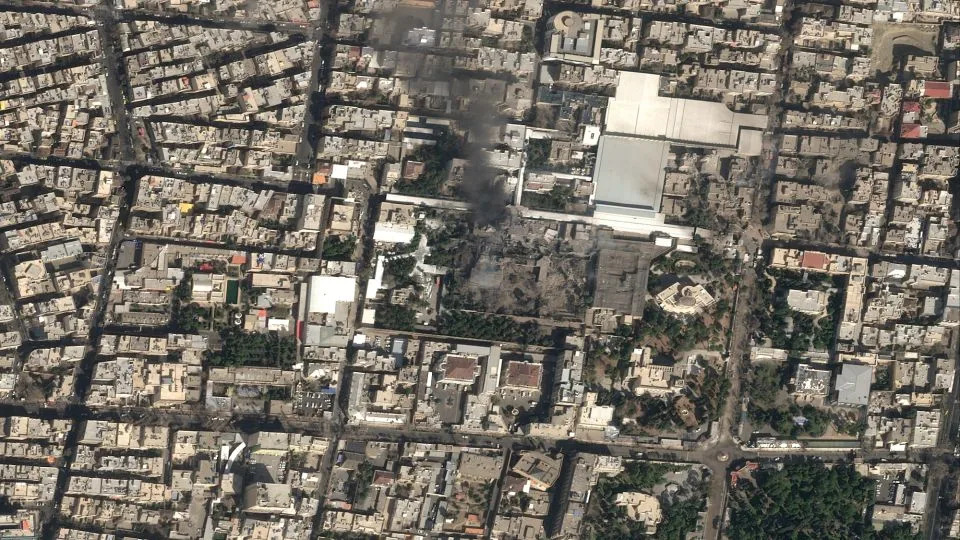
Smoke billows above the compound of Iran's supreme leader, Ayatollah Ali Khamenei, in Tehran on Saturday. - Airbus
Official Claims, Casualties And Local Impact
Sources differ on casualty counts and targets. Iranian state media and local prosecutors reported hundreds of deaths and many more wounded across multiple cities, including a high toll at a girls’ elementary school in Minab. The U.S.-based Human Rights Activists News Agency (HRANA) reported at least 133 civilian deaths and about 200 injured as of late Saturday, while Iranian state outlets cited higher national figures.
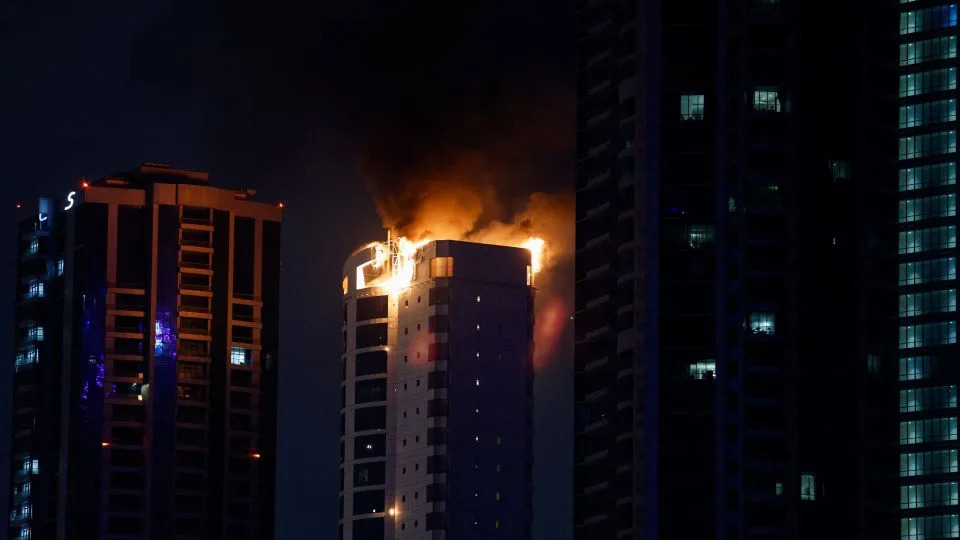
Smoke rises from a burning building hit by an Iranian drone strike, after Israel and the US launched strikes on Iran, in Manama, Bahrain, on Saturday. - Hamad I. Mohammed/Reuters
Israel said the initial strikes killed a large share of Iran’s senior military leadership, naming some 40 commanders and confirming the death of Maj. Gen. Abdolrahim Mousavi; Iranian outlets subsequently confirmed Mousavi’s death. U.S. Central Command reported that three U.S. service members were killed and five seriously wounded in the wider operation, though details of those casualties remain limited.
Tehran’s Response And Regional Escalation
Iran retaliated with a widespread series of strikes across the Middle East, with explosions and attacks reported in several Gulf states and in Israel. Countries hosting U.S. forces — including Bahrain, the United Arab Emirates, Kuwait and others — reported damage and casualties. The strikes disrupted civilian infrastructure, airports and maritime traffic through the Strait of Hormuz, and sparked sharp condemnations and defensive measures from regional governments.
Political Fallout And Succession
Iran announced the formation of a provisional leadership council naming President Masoud Pezeshkian, judiciary chief Gholam-Hossein Mohseni-Ejei and senior cleric Ayatollah Alireza Arafi to carry out duties while the Assembly of Experts prepares to select a new supreme leader, per the constitution. Both U.S. and Israeli leaders publicly signaled they favor major policy change in Tehran.
Context And Key Disputes
Observers note the strikes came after months of simultaneous negotiations and military buildup: U.S. envoys had been engaged in talks with Iranian counterparts even as Washington amassed forces in the region. Claims about Iran’s nuclear and missile timelines are contested; an unclassified 2025 Defense Intelligence Agency assessment suggested Iran could develop an intercontinental missile by the 2030s if it chose to pursue that capability, but independent sources told reporters that near-term ICBM capability claims are not supported by conclusive intelligence.
What Comes Next
Analysts warn the situation could escalate further: Iran appears to be broadening attacks to pressure Gulf states and complicate U.S. responses, while those same states face pressure to protect territory and infrastructure. Diplomatic, economic and military developments are likely to unfold rapidly, and casualty and damage figures may be revised as independent verification becomes available.
Note on Sources: This article synthesizes statements from U.S., Israeli and Iranian officials, reporting from international outlets, and human-rights groups. Where claims remain unverified or contested, this text attributes them to the reporting parties.
Help us improve.





















