
Face the Nation (March 1, 2026) examined a rapidly escalating confrontation after U.S. and Israeli strikes against Iran and subsequent Iranian retaliatory attacks across the Gulf and into Israel. CENTCOM confirmed three American service members killed and five seriously wounded. Lawmakers and experts debated the legality, goals and likely outcomes of an extended air-and-naval campaign, while analysts warned of uncertain Iranian succession, regional spillover and economic risks tied to the Strait of Hormuz.
Face the Nation (March 1, 2026): U.S.–Israel Strikes on Iran Escalate; Regional Fallout, Casualties Reported
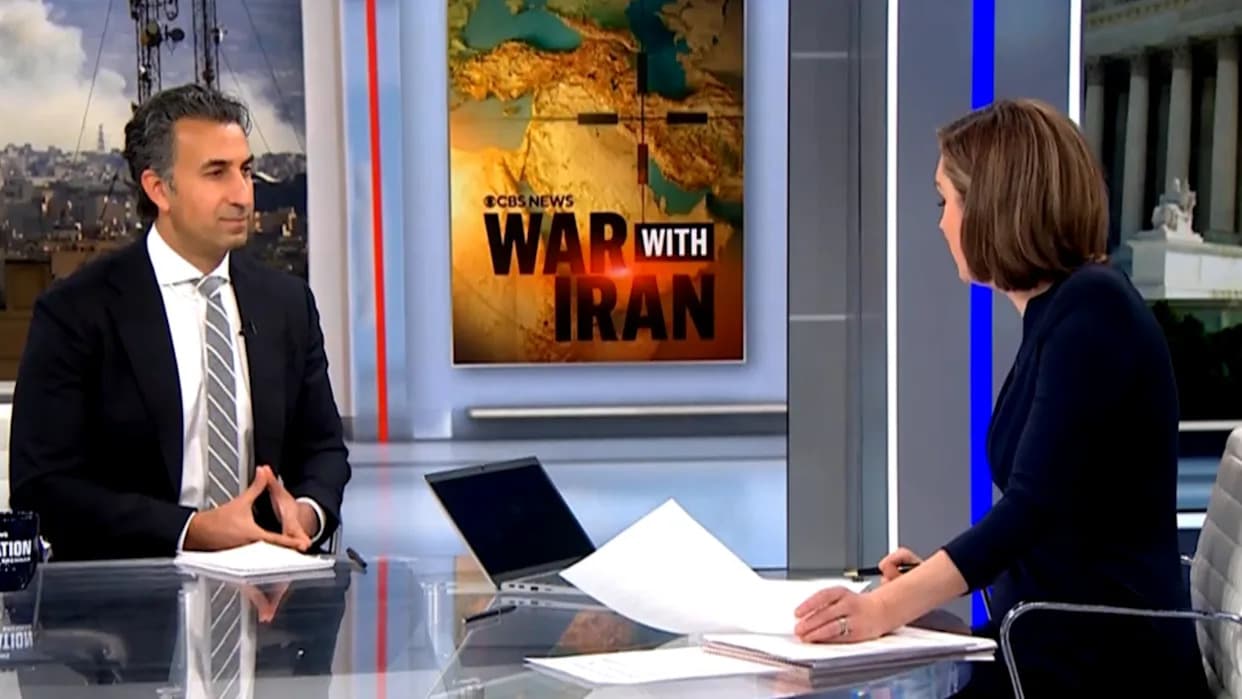
Overview: This edition of Face the Nation, moderated by Margaret Brennan, focused on the rapidly escalating campaign involving U.S. and Israeli strikes against Iran and Iran’s subsequent retaliatory attacks across the Gulf and into Israel. Lawmakers, analysts and a former CENTCOM commander discussed the military, political and humanitarian stakes as the situation developed.
Opening Report
Margaret Brennan opened the program by noting that U.S. and Israeli operations were entering a second day while Iran and allied groups intensified strikes on U.S. interests and regional targets. U.S. Central Command (CENTCOM) announced the first confirmed American casualties tied to the operation: three service members killed and five seriously wounded during "Operation Epic Fury," as reported on-air.
Donald Trump (excerpt): "The lives of courageous American heroes may be lost, and we may have casualties. That often happens in war. But we're doing this not for now. We're doing this for the future. And it is a noble mission."
On-the-Ground Reporting
Tel Aviv (Charlie D'Agata): Israeli authorities and intelligence sources reported heavy strikes inside Iran and said Iranian leadership centers were hit in the initial wave; CBS News could not independently verify all claims. Iranian forces vowed strong retaliation. A missile strike in central Tel Aviv was reported to have killed a civilian and wounded dozens, raising concerns after the missile penetrated advanced air defenses.
Muscat, Oman (Imtiaz Tyab): Reporters described attacks across Gulf states — including strikes or attempted strikes on infrastructure in the UAE, Qatar, Bahrain, Kuwait, Saudi Arabia and Oman — after hundreds of drones and missiles were launched from Iranian territory or affiliated forces. Two tankers were reported struck near the Strait of Hormuz, highlighting potential risks to global energy shipments. The State Department issued wide travel cautions and some U.S. diplomatic posts said they could not carry out mass evacuations.
Lawmakers React
Sen. Tom Cotton (R-Arkansas): Said the administration intends an extended air-and-naval campaign focused on degrading Iran's missile forces, launchers and infrastructure rather than committing large-scale ground forces. He declined to confirm operational intelligence details, but emphasized close U.S.–Israeli coordination and said briefings for Congress would follow.
Sen. Chris Murphy (D-Connecticut): Urged Congress to return and vote under the War Powers Act, calling the strikes illegal without congressional authorization and warning that air campaigns alone rarely produce positive regime change. Murphy criticized the administration for insufficient public explanation and contingency planning for Americans abroad.
Rep. Mike Turner (R-Ohio): Argued the strikes addressed an ongoing, imminent threat posed by Iran’s missile buildup and sponsorship of proxies. Turner said Congress needs greater clarity on related issues, including reports that Pentagon systems used AI tools supplied by private vendors during operations — an issue he said requires congressional review.
Sen. Ted Cruz (R-Texas): Called the decision decisive and said acting while Iran appeared weakened offered a rare strategic opportunity. Cruz emphasized the regime’s longstanding sponsorship of terrorism and defended the strike posture as making the U.S. and its allies safer.
Experts' Analysis
Karim Sadjadpour (Carnegie Endowment): Warned that Iran’s succession and leadership cohesion were uncertain after state media reported Supreme Leader Ayatollah Ali Khamenei had been killed. He said Iran is deeply unpopular among many citizens and that internal splits could shape what follows — but cautioned that the regime has shown willingness to use brutal coercion against dissent.
Ret. Gen. Frank McKenzie: Described the campaign as still early and predicted several more days of strikes as U.S. and Israeli forces attempt to degrade Iran’s ability to mass and launch missile volleys at bases and cities in the region. He warned casualties could increase and emphasized the near-term operational goal of preventing mass volleys of rockets against U.S. forces and allies.
Legal, Strategic, and Humanitarian Questions
- Congressional Authorization: Several Democrats pressed for a War Powers vote; Republicans predicted broad congressional support for the president’s actions but said briefings would continue.
- Regime Change vs. Containment: Guests debated whether an air-and-naval campaign can produce positive political change in Tehran or will instead consolidate hard-line elements.
- Civilians and Diplomats: The State Department issued cautionary guidance for Americans abroad; some U.S. posts said they could not safely evacuate citizens, prompting concerns about contingency planning.
- Economic Risk: Strikes near the Strait of Hormuz and attacks on tankers raised fresh concerns about oil-market disruption and global economic impact.
Closing
The panel emphasized uncertainty: operationally (the next 72–96 hours), politically (succession and internal cohesion inside Iran), and legally (congressional oversight and the war-powers debate). The program closed with a reminder that the situation remained fluid and that more briefings and reporting were likely in the days ahead.
Help us improve.





















