Gregory Bovino has emerged as a prominent Border Patrol commander leading aggressive, high-profile federal immigration operations across U.S. cities. He champions fast, forceful "turn and burn" tactics and a visible social-media presence, arguing the approach protects agents and deters unrest. Critics — including local officials, civil-rights advocates and a federal judge — accuse his teams of authoritarian methods and say some of his claims conflict with video evidence. Bovino’s 2023 temporary removal, his role in a massive Los Angeles sweep, and the mantel of the so-called "Mean Green Team" have intensified debate over federal intervention and policing tactics.
Gregory Bovino: Inside the Rise of the Border Patrol Commander Leading the Trump-Era Crackdown
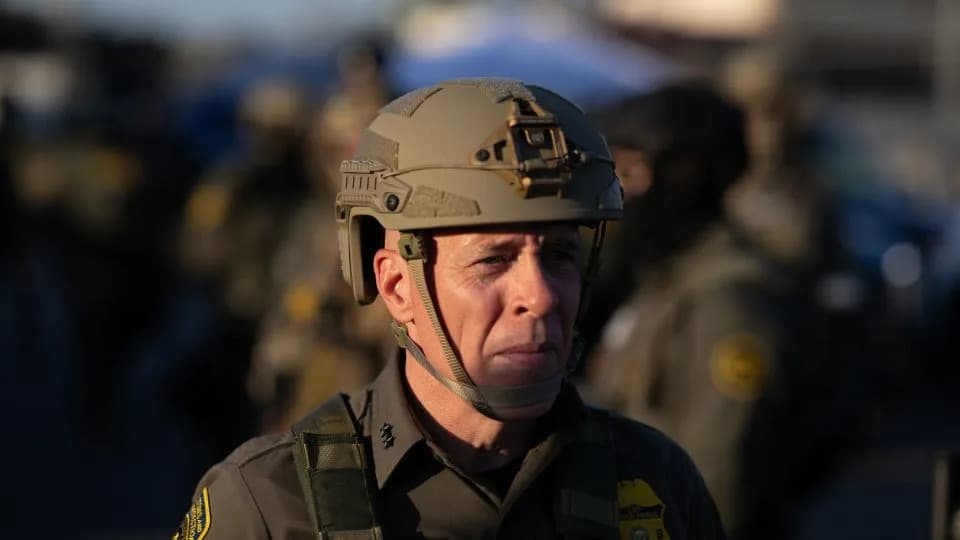
US Border Patrol commander Gregory Bovino confronts demonstrators outside an immigrant processing center on September 27, 2025, in Broadview, Illinois. - Scott Olson/Getty Images
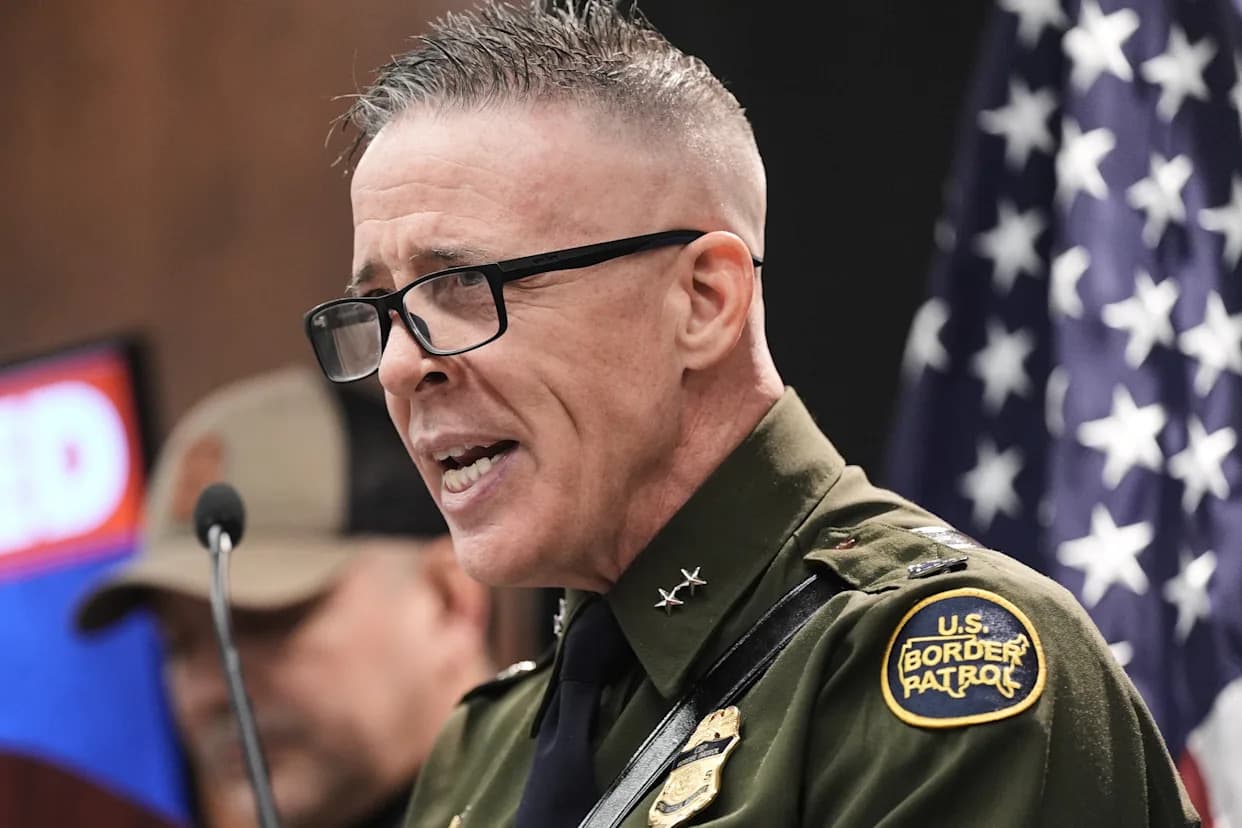
Gregory Bovino has gone from relative obscurity to one of the most visible faces of the Trump administration’s intensified immigration enforcement. Over the past year the Border Patrol commander-at-large has led high-profile deployments in cities across the United States, attracted national media attention, and become a lightning rod for both praise and criticism.
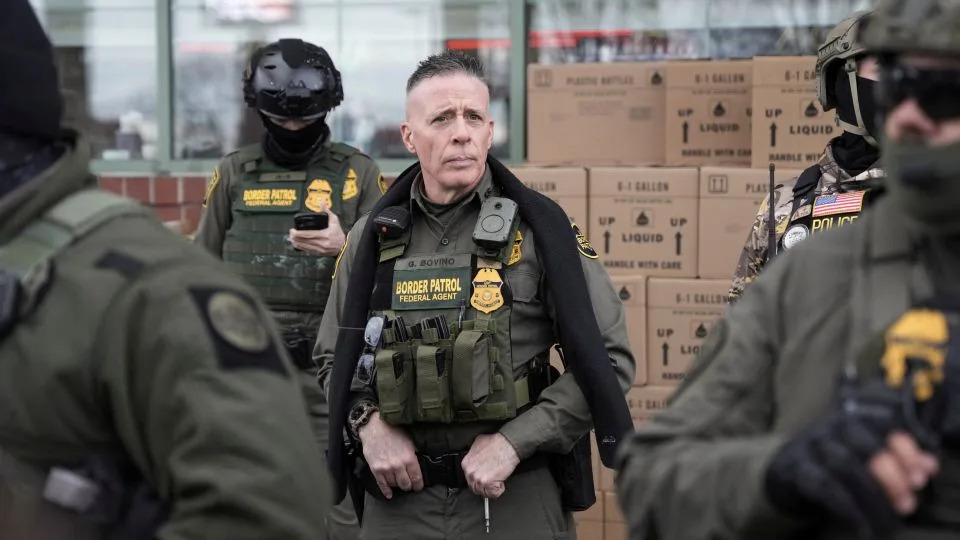
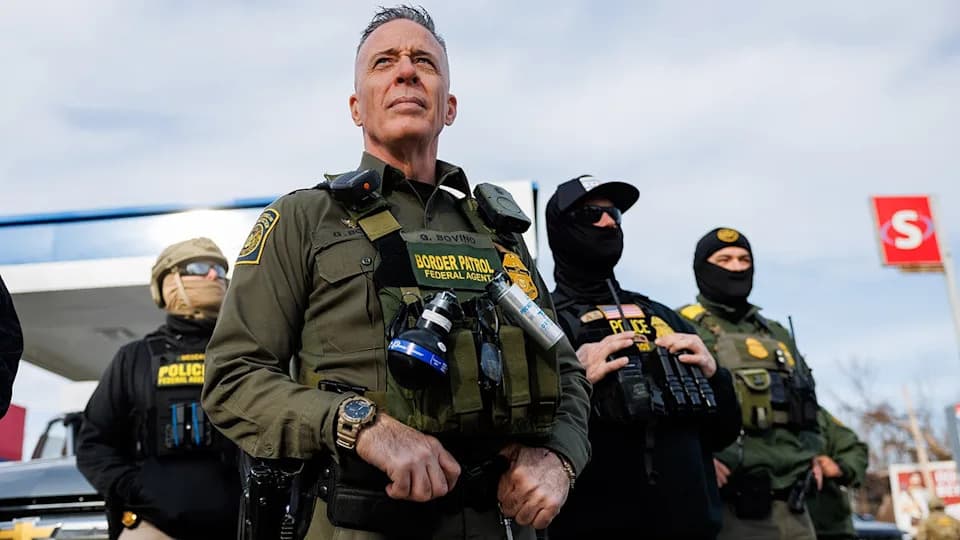
Bovino stands with members of his convoy at a gas station in Columbia Heights, Minnesota, on January 13, 2026 -- less than a week after an ICE agent fatally shot Renee Nicole Good in Minneapolis. - Tim Evans/Reuters
On the Ground and Online
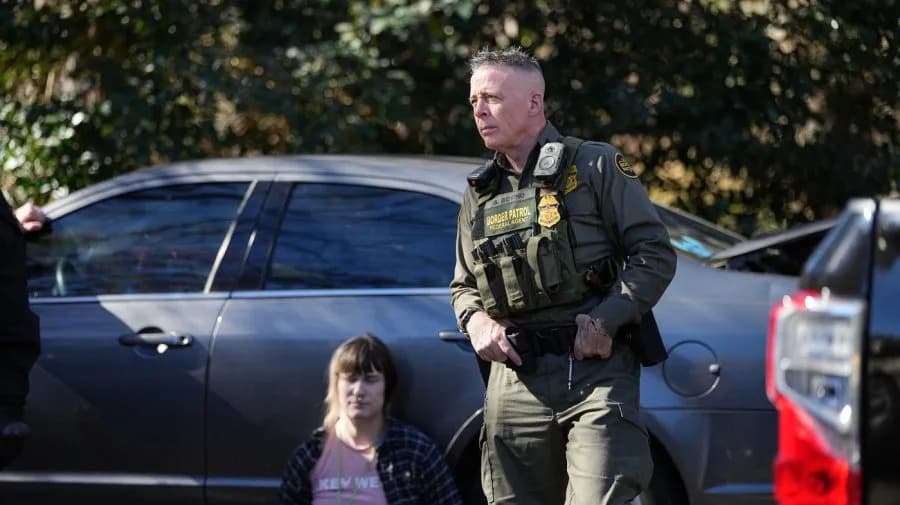
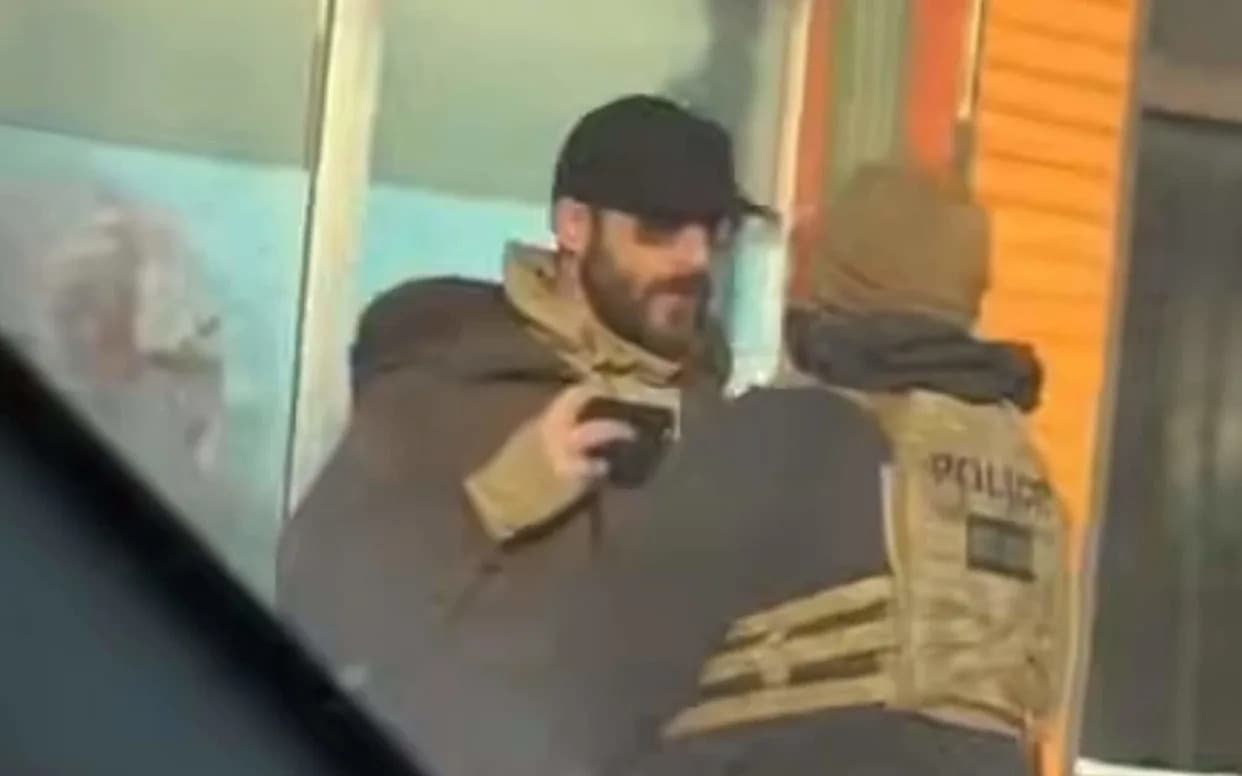
Bovino — often seen in the Border Patrol’s olive-green uniform and sporting a buzzcut — has led federal teams in Los Angeles, Chicago, Charlotte, New Orleans and most recently Minneapolis. He frequently appears in footage and photographs deployed during rapid enforcement operations, posts cinematic videos on social media, and delivers frequent press briefings that frame operations as necessary to restore order.
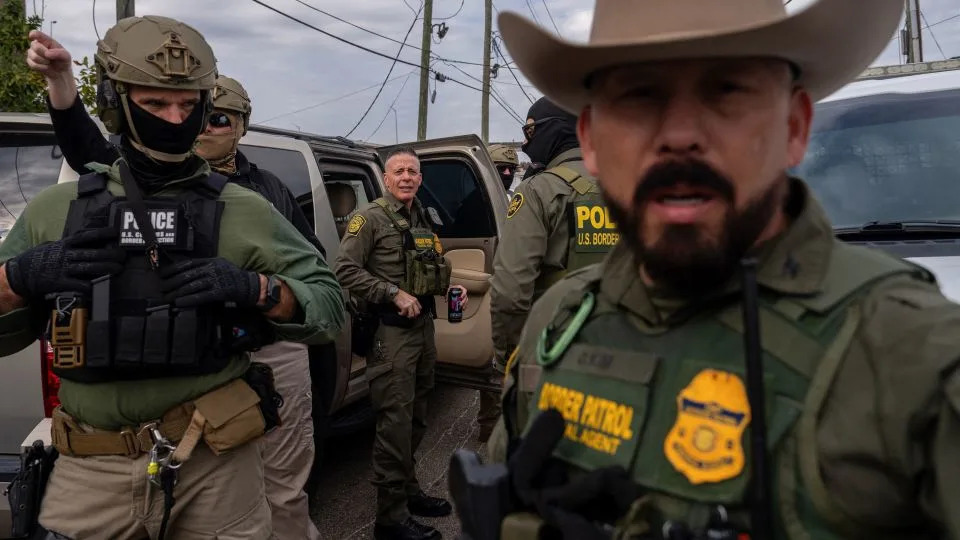
US Customs and Border Patrol Commander Gregory Bovino, center, stands with agents in Metairie, Louisiana, on December 3, 2025, amid a federal immigration enforcement operation in the New Orleans area. - Adam Gray/AFP/Getty Images
Tactics and Messaging
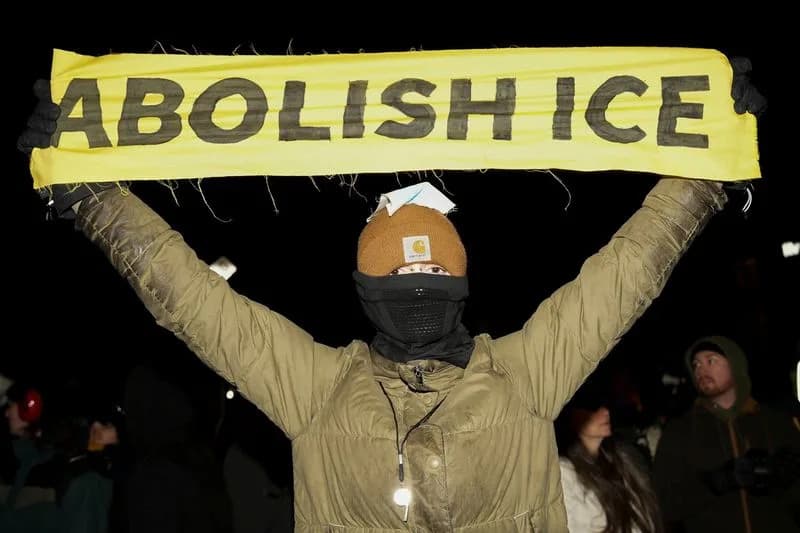
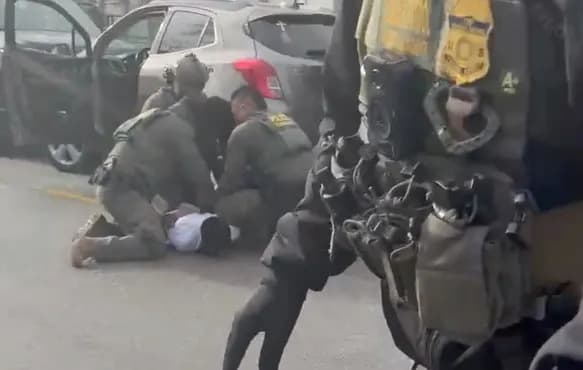
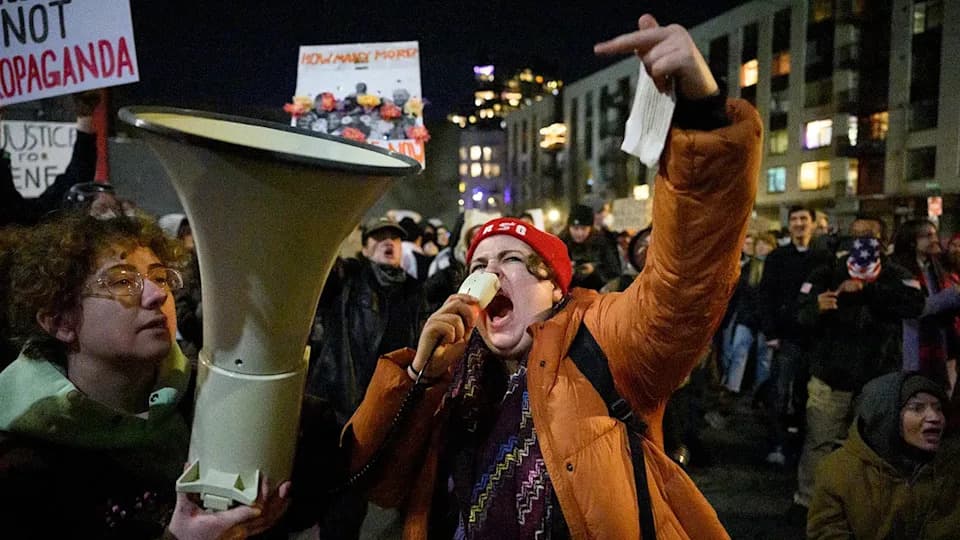
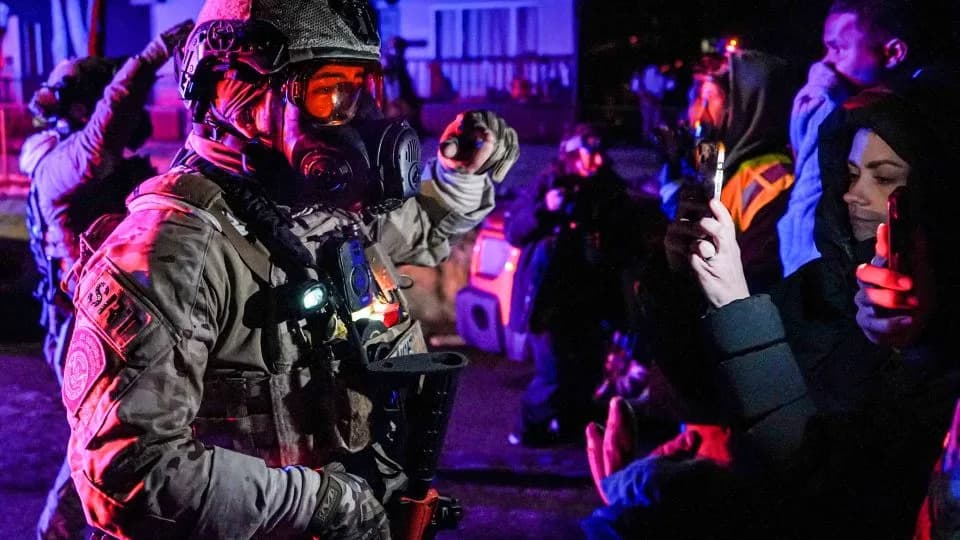
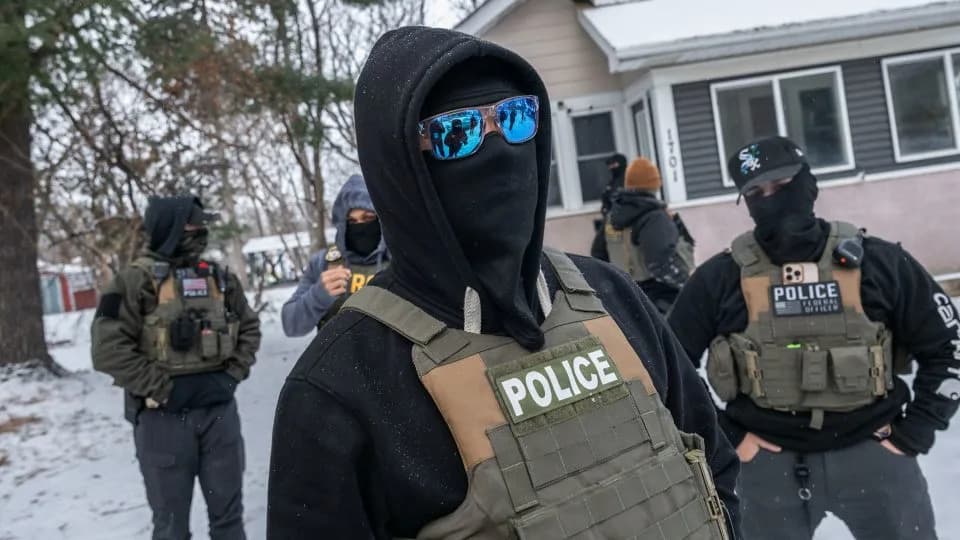
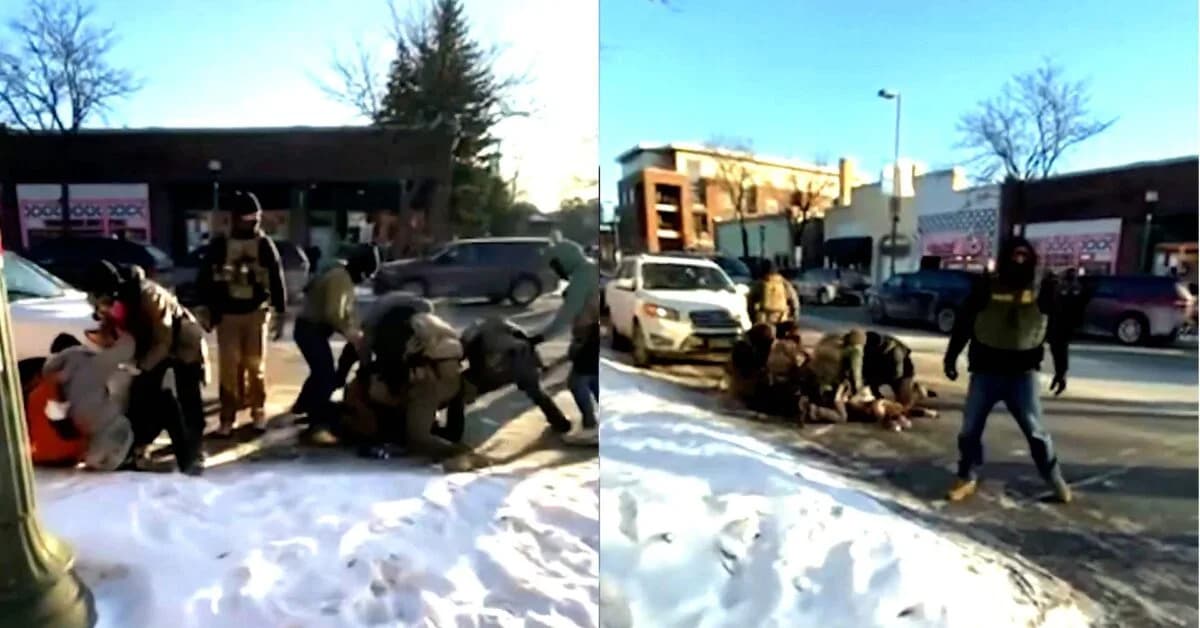
He and his teams have adopted what Bovino and others describe as "turn and burn" tactics: fast, aggressive entries intended to seize suspects quickly and limit prolonged confrontations. Supporters say these methods reduce risk to agents and blunt efforts to mobilize protests. Critics argue the tactics amount to heavy-handed, authoritarian policing that endangers civil liberties and escalates tensions in Democrat-led cities.
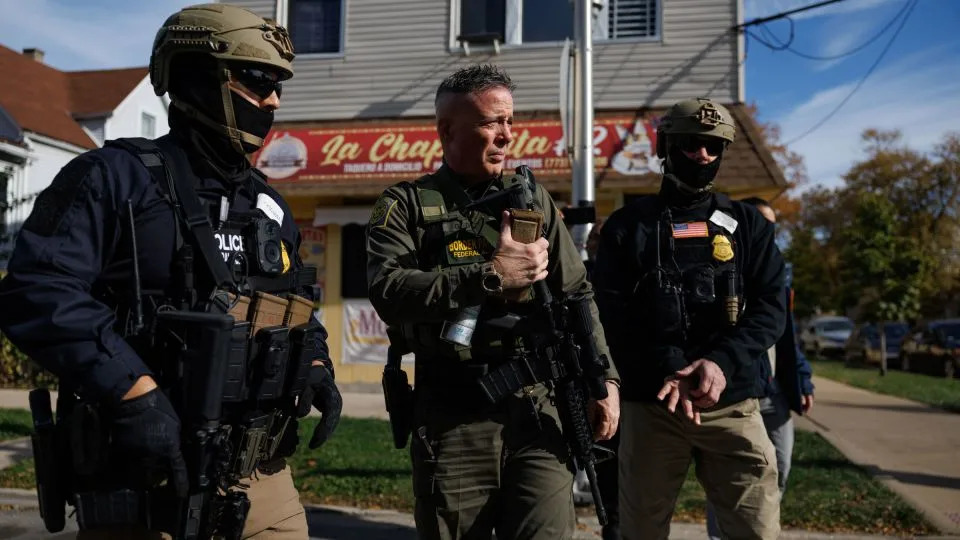
Bovino walks with other agents while conducting an immigration enforcement sweep in Chicago's Brighton Park neighborhood on November 6, 2025. - Armando L. Sanchez/Chicago Tribune/Getty Images
“There is a number, and it’s called all of them.”— Bovino, when asked how many people federal law enforcement plans to apprehend in Minneapolis
Controversies and Legal Scrutiny
Bovino’s rise has been accompanied by several controversies. A 2023 temporary removal from command followed his critical testimony about border conditions and attracted attention for his prominent social-media presence and an online profile photo showing him with an assault rifle. A Los Angeles operation he helped oversee last summer resulted in more than 5,000 arrests and elevated his national profile.
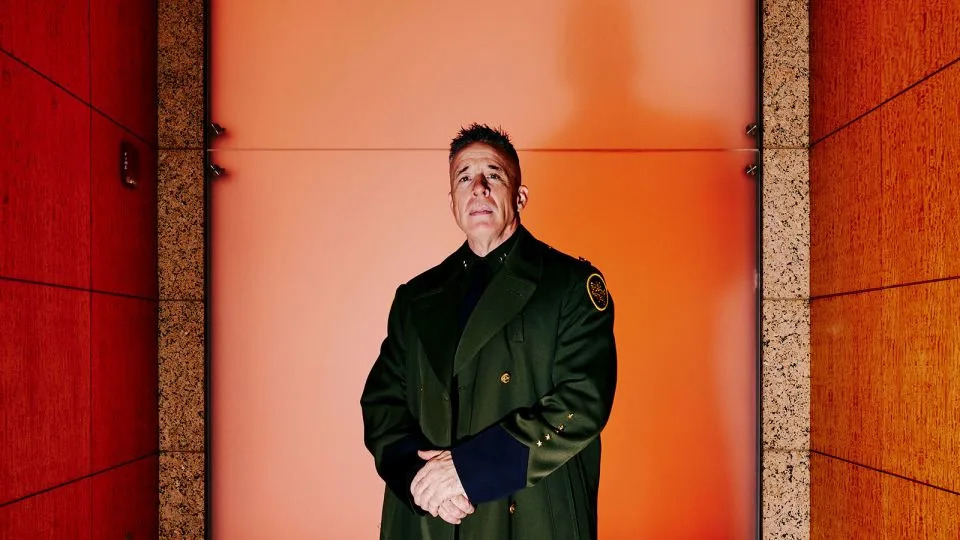
US Border Patrol commander Greg Bovino at CNN’s bureau in Chicago, Illinois, on Tuesday, October 7, 2025. - Mustafa Hussain for CNN
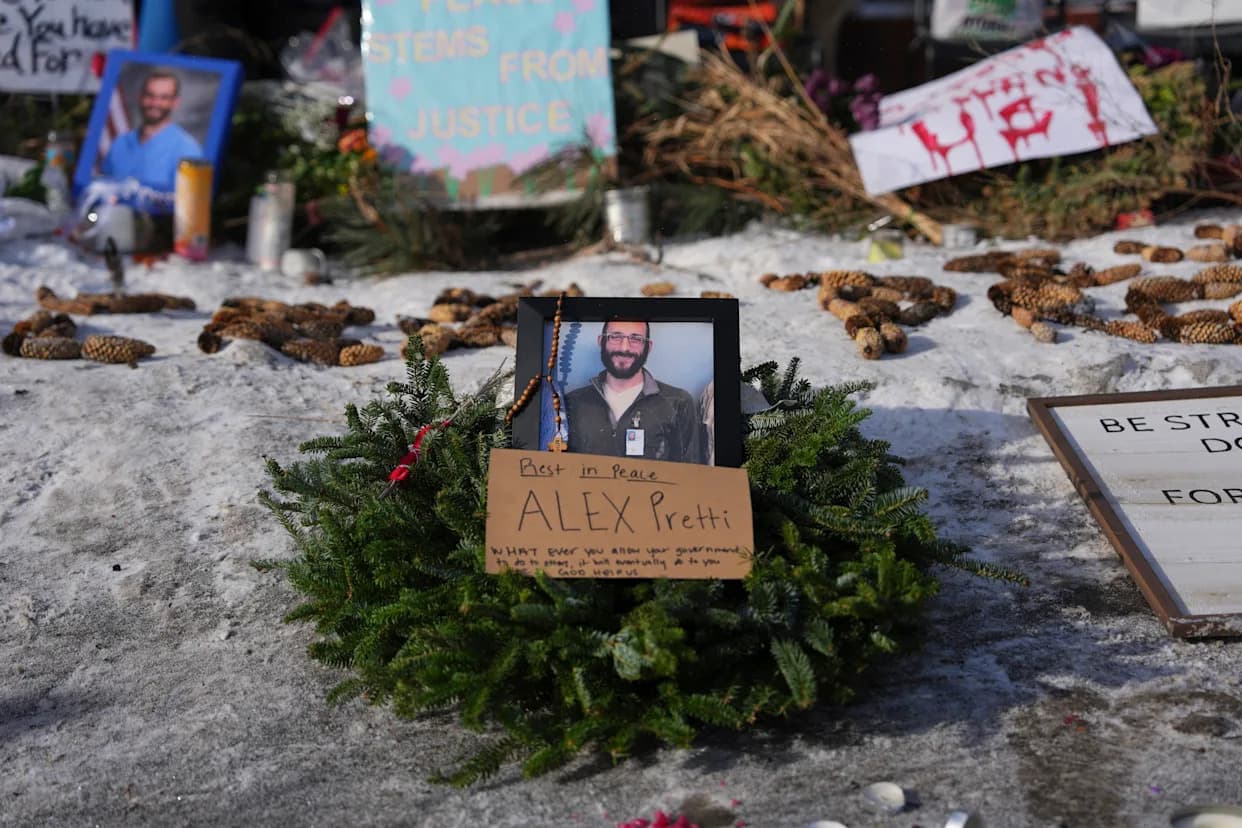
In Chicago, a federal judge sharply criticized Bovino’s courtroom account of events, finding portions not supported by video evidence; footage cited in a civil suit appeared to show Bovino tackling a protester, a claim he denied in deposition. In Minneapolis, after a Border Patrol officer shot and killed a man, Bovino said the officer fired "defensive shots" because he feared for his life.
Image, Symbolism, And Public Reaction
Even Bovino’s clothing has become a subject of debate. He sometimes wears a long green trench coat — which critics, including California Governor Gavin Newsom, have compared to authoritarian uniforms — while Bovino says he has owned the jacket since the late 1990s and acquired it through Border Patrol channels.
His social-media presence — including polished videos and forceful messaging such as the self-applied label "Mean Green Team" — has drawn both praise for perceived transparency and criticism for what some see as promotional, provocative content.
Background
Originally from North Carolina, Bovino joined the Border Patrol in 1996. Over roughly three decades he has served in multiple domestic postings, including as Chief Patrol Agent of the El Centro Sector in 2020, and has undertaken foreign assignments in places such as Honduras and Africa.
What This Means
Whether regarded as a determined law-enforcement leader or a symbol of controversial federal intervention, Bovino’s prominence signals how immigration enforcement has become more visible and politically charged. His methods, rhetoric and public gestures will likely remain central to debates about federal policing, civil liberties and border policy.
Help us improve.