FAA Investigates Near-Miss After Parallel Takeoffs in Houston. On Dec. 18 a Volaris jet reportedly turned into the path of United Express Flight 4814 shortly after takeoff from George Bush Intercontinental Airport. The aircraft came within about 700 feet laterally and 150 feet vertically, and a TCAS "resolution advisory" was issued to avert a collision. The FAA has opened an investigation; CommuteAir says its crew followed air traffic control instructions.
Near-Miss at Houston Airport: Volaris Jet Turned Into Path of United Express Flight — FAA Investigating

Kevin Carter/Getty; Fabrizio Gandolfo/SOPA Images/LightRocket via GettyL: A Volaris plane; R: A United Express plane
New details have emerged after two passenger jets narrowly avoided a mid-air collision during takeoff at George Bush Intercontinental Airport in Houston on Dec. 18.
What Happened
United Express Flight 4814, operated by regional carrier CommuteAir and bound for Jackson, Miss., and a Volaris flight departing for El Salvador lifted off from parallel runways at about 3:01 p.m. local time. Tracking data indicates the Volaris aircraft began to cross into the CommuteAir plane's flight path shortly after departure.
According to a statement shared with PEOPLE by the Federal Aviation Administration (FAA), air traffic control instructed the Volaris crew to "turn left after departing," but the crew instead "turned right towards CommuteAir Flight 4814." ABC News reported the two jets closed to within roughly 700 feet laterally and about 150 feet vertically.
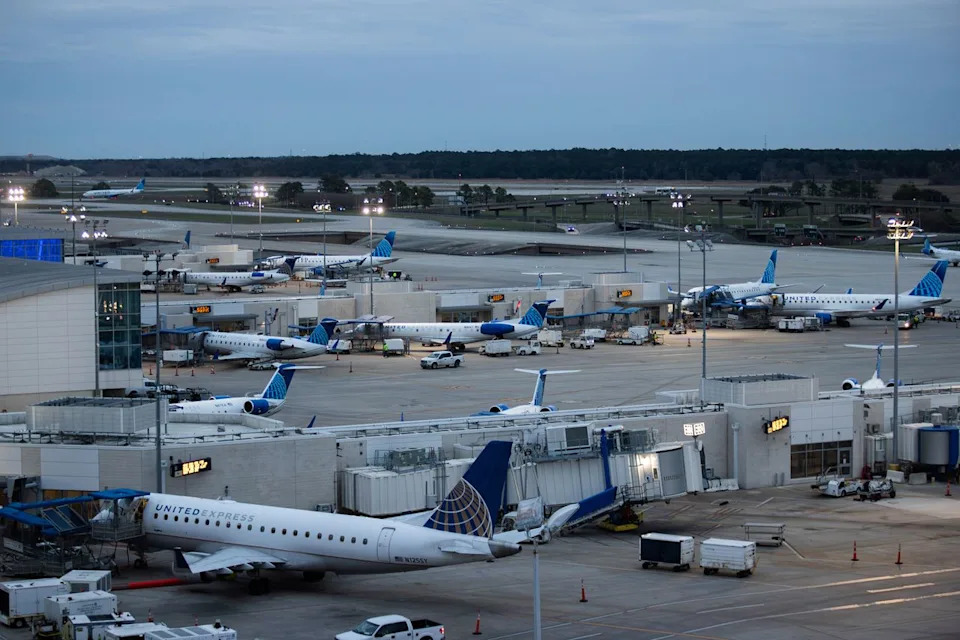
Reginald Mathalone/NurPhoto via GettyUnited plane at Terminal A at George Bush Intercontinental Airport in Houston.
Response and Safety Systems
The FAA confirmed it has opened an investigation into the incident, which the agency says occurred around 3:05 p.m. CommuteAir told PEOPLE that, "based on our initial assessment, our crew followed all applicable [air traffic control] instructions." Volaris did not immediately respond to requests for comment.
"There’s nothing from this one incident that suggests that a particular airline is unsafe or that the pilots are no good — this is just a mistake," said Josh Verde, a former airline captain and current aviation consultant, flight instructor and attorney, in an interview with local station KHOU 11. "Humans are error-prone from time to time, and this kind of thing does happen."
Audio from air traffic control indicates a "resolution advisory" was issued during the event. Verde and aviation experts note that a Traffic Alert and Collision Avoidance System (TCAS) — an onboard system independent of ground-based air traffic control — would automatically issue such advisories to direct pilots to climb or descend and avoid a collision.
Context and Next Steps
Incidents like this are rare but highlight the layered safety systems in commercial aviation: ground-based air traffic control, pilot procedures, and airborne collision-avoidance systems such as TCAS. The FAA's investigation will review flight data, controller instructions, cockpit voice recordings (if applicable), and system logs to determine exactly what happened and whether any procedural or technical changes are needed.
Help us improve.