
Two mass shootings — an active shooter at Brown University that killed two students and wounded nine, and an attack on a Hanukkah event near Bondi Beach that killed at least 15 and injured dozens — left communities stunned and grieving. The attacks share the sudden terror of modern mass violence and were quickly drawn into volatile political debates over gun policy, antisemitism and public safety. Leaders and advocacy groups called for clear condemnations of incitement while communities held vigils and public memorials.
From Campus to Coastline: Two Mass Shootings in Rhode Island and Bondi Beach Deepen Grief and Political Divisions

Two students hold candles during a vigil in Providence, Rhode Island, on Sunday. - Taylor Coester/Reuters
At about 4:20 p.m. on a cold Saturday in Rhode Island, an emergency alert from Brown University warned students to "run or take cover" — an active-shooter situation that left two students dead and nine others wounded. Hours later and thousands of miles away, gunfire tore through a Hanukkah celebration near Bondi Beach in Sydney, killing at least 15 people and hospitalizing dozens.
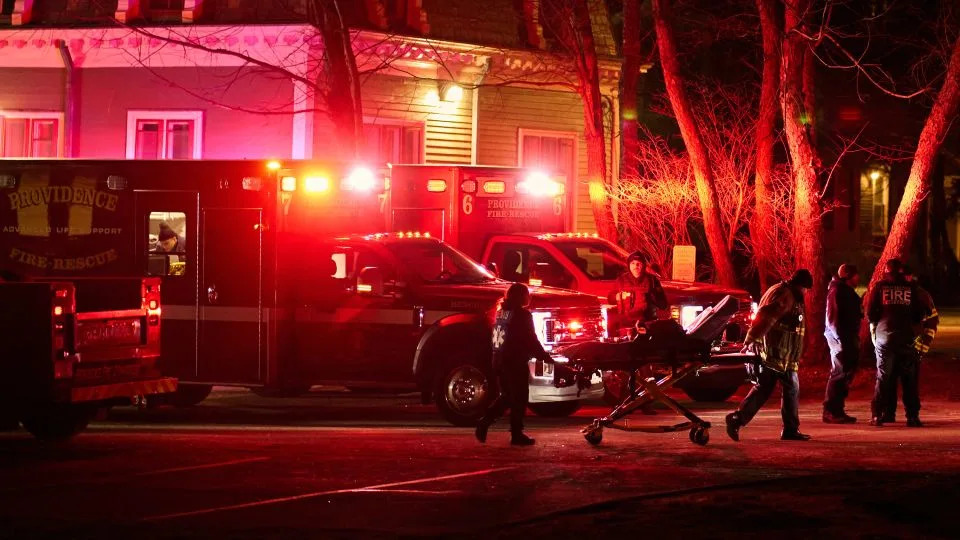
First responders on the scene near Brown University's Barus and Holley building, the site of a mass shooting, in Providence, Rhode Island, on Saturday. - Bing Guan/AFP/Getty Images
On the surface, the two attacks share only the grim mechanics of mass shootings: frantic cellphone footage, chaotic emergency responses and communities abruptly forced to confront sudden, senseless loss. At Brown, students heading to a final exam will now face an altered holiday season. At Bondi, families and visitors gathered for a seaside celebration and were met with unfathomable violence.
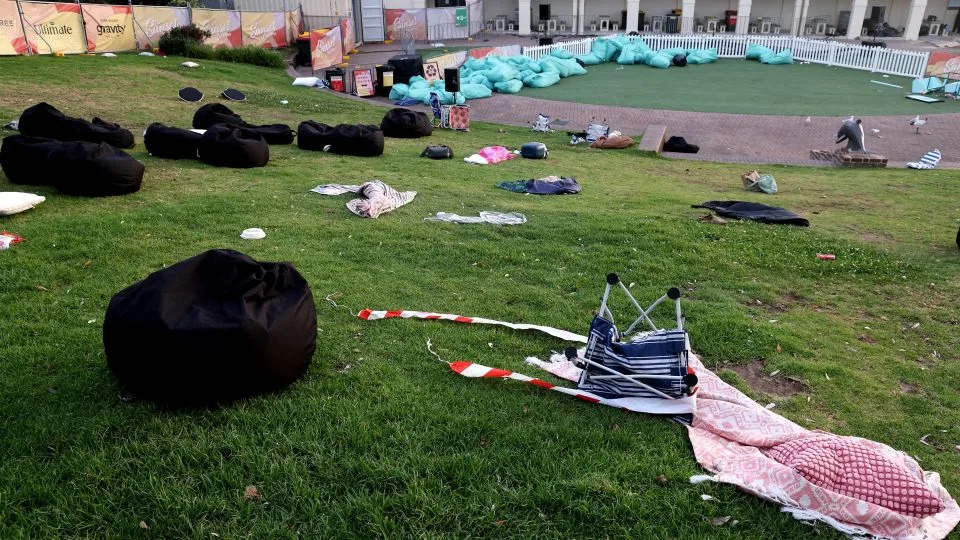
Belongings of members of the Jewish community are seen at the scene of a shooting at Bondi Beach in Sydney on Sunday. - David Gray/AFP/Getty Images
Targeting, Motive And Community Impact
Australian authorities say the Bondi attack was carried out by a father-and-son pair and that the victims included Jewish worshippers attending a Hanukkah event. Advocacy groups and community leaders warned that the assault has amplified long-standing fears about antisemitism. "On this first night of and through every night of Hanukkah, Jews across the world will recount this horror," said Bend the Arc, a U.S. Jewish advocacy organization.
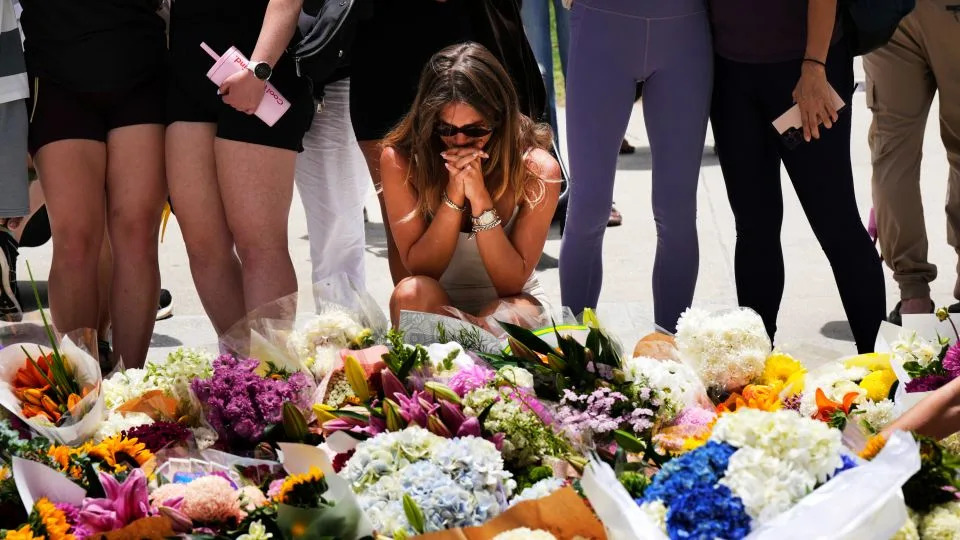
A woman kneels and prays at a flower memorial to shooting victims outside the Bondi Pavilion at Sydney's Bondi Beach on Sunday. - Mark Baker/AP
"You can never build walls that are high enough," Jonathan Greenblatt, CEO of the Anti-Defamation League, said, urging leaders to speak out forcefully against incitement.
Political Fallout
Both tragedies were quickly absorbed into already-polarized political debates. In Australia, Prime Minister Anthony Albanese condemned the Bondi attack as "just impossible to rationalize and comprehend." Israeli Prime Minister Benjamin Netanyahu publicly criticized Australia for what he characterized as insufficient action on rising antisemitism, a claim rejected by Australian leaders and many Western allies.

Australian Prime Minister Anthony Albanese visits the scene of the attack at Sydney's Bondi Beach on Sunday. - Flavio Brancaleone/Reuters
In the United States, the Brown shooting reignited arguments over firearms policy, public safety and the role of political rhetoric. Senators and commentators traded accusations about responsibility and prevention measures while urging restraint until facts are established.
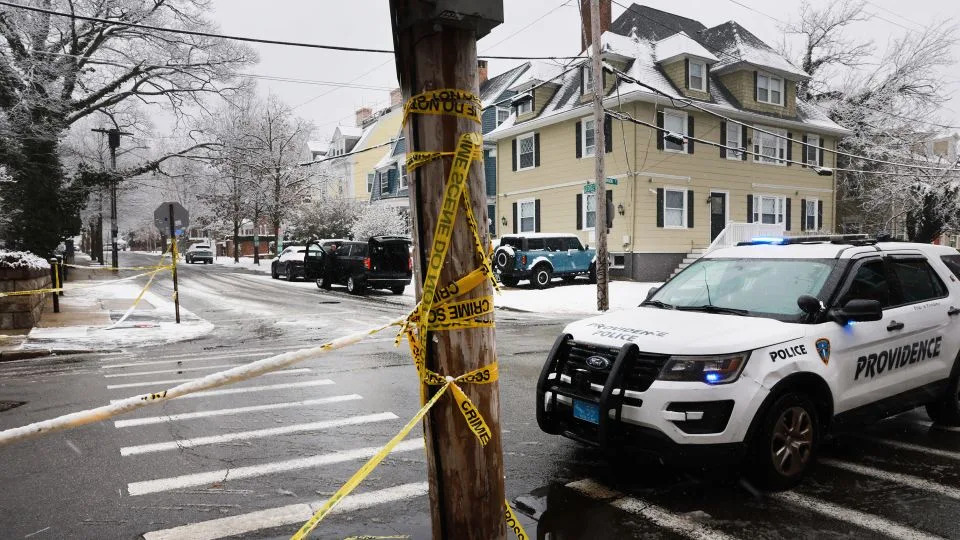
Police patrol Brown University in Providence, Rhode Island, on Sunday, the day after a mass shooting. - Spencer Platt/Getty Images
Grief, Vigilance And Community Response
Communities in both countries moved quickly to mourn and organize. In Providence, Rhode Island, one of the first public responses was a menorah-lighting ceremony intended to offer solace and solidarity. In Sydney and elsewhere, vigils and memorials acknowledged the dead and called for stronger protections against hate-fueled violence.
Social media amplified both grief and division: footage and eyewitness accounts spread rapidly, while some posts pushed misinformation or politicized comparisons — including mistaken claims that the Sydney attack undercut arguments about Australia’s strict gun laws.
These twin tragedies underscore a broader, uncomfortable reality — public gatherings and ordinary moments can be shattered in an instant, and victims, families and communities are left to grapple with both loss and the contentious politics that often follow.
Reporting included contributions from CNN’s Aileen Graef.


