
Christopher Anderson, the Vanity Fair photographer behind the controversial West Wing portraits, says his shoot was interrupted when staff summoned the Cabinet to the Situation Room to pressure Rep. Lauren Boebert about the Epstein files. The account supports earlier reports that former President Donald Trump personally lobbied Republican holdouts. Despite the effort, the House passed the Epstein Files Transparency Act 427–1 and Trump signed it, triggering a 30-day DOJ deadline to release the records.
Photographer: Situation Room Call Interrupted Vanity Fair West Wing Shoot — It Was To Pressure Rep. Lauren Boebert

Christopher Anderson/Vanity Fair
Christopher Anderson, the photographer behind Vanity Fair’s widely discussed West Wing portraits, says a planned, tightly choreographed shoot was abruptly disrupted when the Cabinet was summoned to the Situation Room — not for a national-security emergency, but to pressure Rep. Lauren Boebert over the release of the Epstein files.
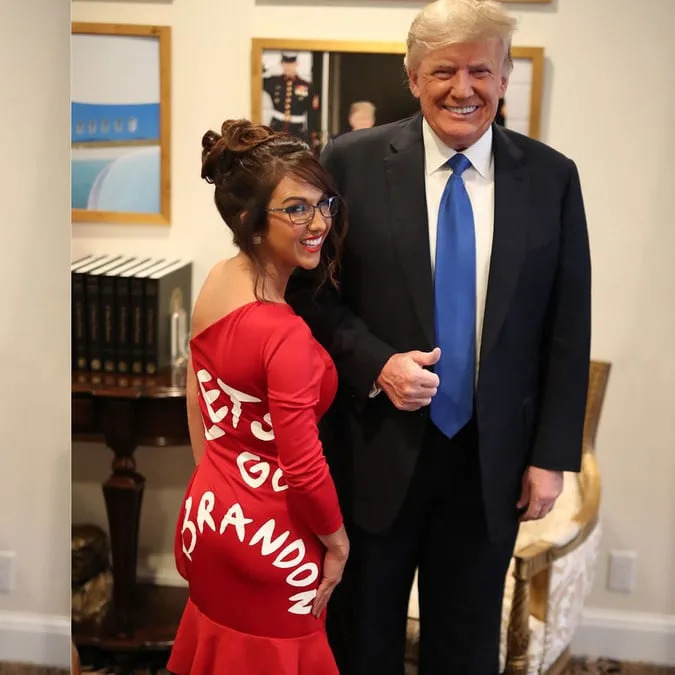
Boebert has been a major Trump supporter—but not over the release of the Epstein files. / Photo Illustration by The Daily Beast/Photos by Twitter/Lauren Boebert
What Happened During the Shoot
Anderson, who shot unsparing close-ups of senior aides in the second-term White House, told Vanity Fair the team initially feared the worst when staff announced the Situation Room call. The photographer later learned the meeting’s purpose was political: to urge Boebert not to back a discharge petition that would force a House vote on the Epstein Files Transparency Act.
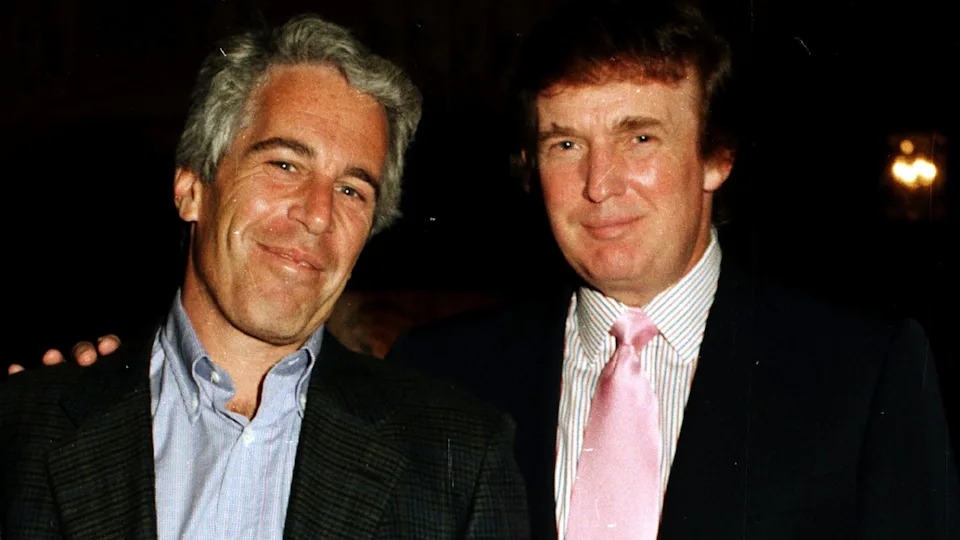
Donald Trump had been opposed to releasing files related to Jeffrey Epstein. / Davidoff Studios Photography / Davidoff Studios/Getty Images
"We later found out that day that it was Congresswoman Lauren Boebert who had been called into the Situation Room to put pressure on her about not pushing to release the Epstein files," Anderson told the magazine.
Broader Context
The anecdote corroborates earlier reporting that former President Donald Trump personally contacted a small group of Republican dissidents supporting the discharge petition. Boebert subsequently attended a White House meeting on the files that reportedly included former Florida Attorney General Pam Bondi and former FBI official Kash Patel, where she was urged to withdraw her support.
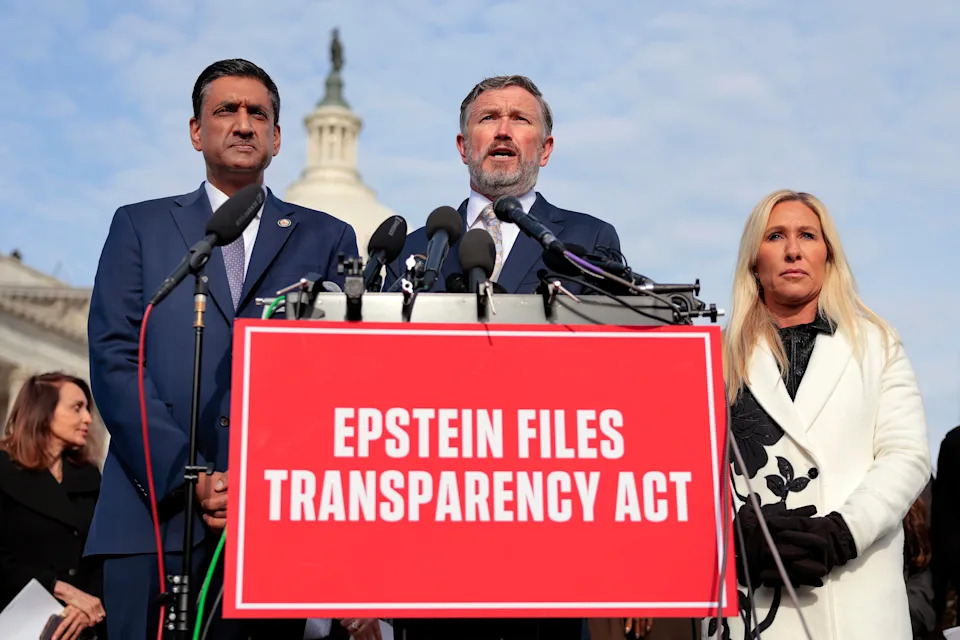
Reps. Thomas Massie, Ro Khanna and Marjorie Taylor Greene spearheaded the bipartisan effort to get the files released. / Heather Diehl / Getty Images
Despite the pressure campaign, the lobbying failed. On Nov. 18 the House passed the Epstein Files Transparency Act under a suspension of the rules by a vote of 427–1, with only Rep. Clay Higgins voting no. Trump signed the bill the following day, setting a 30-day deadline for the Justice Department to release the records; material from those records began to emerge in the days after the law took effect.
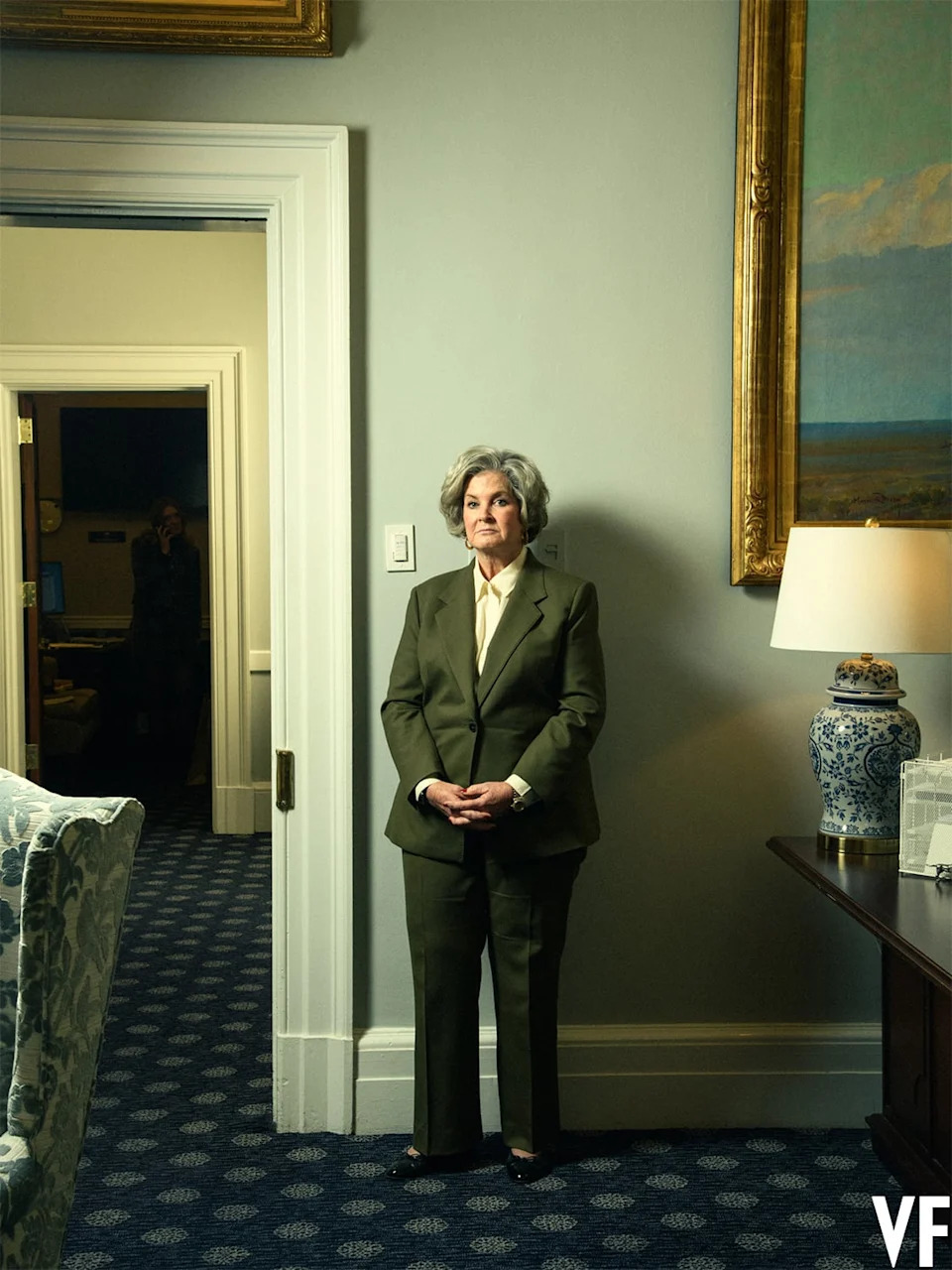
Anderson's West Wing images, like this one of Susie Wiles, have quickly become the stuff of legend. / Christopher Anderson/Vanity Fair
Reaction And Photography Details
Since publication, the Vanity Fair spread and its portraits have drawn intense public attention. A White House spokeswoman accused the magazine of trying "deliberately" to humiliate staff, while critics described the images as a rare, unsanitized look at the people running the administration. Photographers, art historians, and political observers have analyzed the portraits closely.
Anderson described the West Wing’s physical space as "small and shabby," noting messy desks, exposed wiring and scuffed paint — likening the experience to seeing "the Wizard of Oz behind the curtain." He characterized his role as a "professional noticer," switching between wide environmental shots and very tight close-ups that have dominated social media since the feature published. The session also produced portraits of Vice President JD Vance and Press Secretary Karoline Leavitt.
A Subtle Visual Comment
Anderson singled out deputy chief of staff Stephen Miller as a memorable subject. Miller reportedly questioned him about cameras and framing before saying the photographer "wielded a lot of power in the discretion you use to be kind to people." Anderson replied, "Yeah, you know, you do too." He also revealed a deliberate visual "Easter egg": while photographing a group in the Roosevelt Room, he placed Miller beneath an oil painting that depicts Native Americans on horseback crossing a river toward a teepee village — an incongruous juxtaposition that Anderson said adds a visual comment on power and history.
The Daily Beast and other outlets have contacted the White House and Boebert’s representatives for comment.


