
On December 24, 2008, Bruce Pardo, dressed as Santa Claus, attacked a family holiday party in Covina, California, shooting guests and setting the house on fire. Nine people—including his ex-wife—were killed; an 8-year-old survived a gunshot to the cheek. Pardo fled to his brother's home in Sylmar and died by suicide; investigators later found cash, a plane ticket and a booby-trapped rental car. Authorities said Pardo had stockpiled weapons and was embroiled in a recent divorce and employment dispute.
Covina Christmas Massacre: Man Dressed as Santa Kills Ex-Wife and Eight Relatives

Covina Police DepartmentBruce Pardo
On the night of December 24, 2008, a routine family holiday gathering in Covina, California, ended in a deadly attack when 45-year-old Bruce Pardo arrived dressed as Santa Claus and opened fire. The assault, followed by arson and a fatal escape, left nine people dead and shocked the Los Angeles-area community.
The Attack
Shortly before midnight, Pardo—wearing a custom, extra-large Santa suit—knocked on the front door of a two-story home on Knollcrest Drive, where 25 to 30 people were celebrating a holiday party.
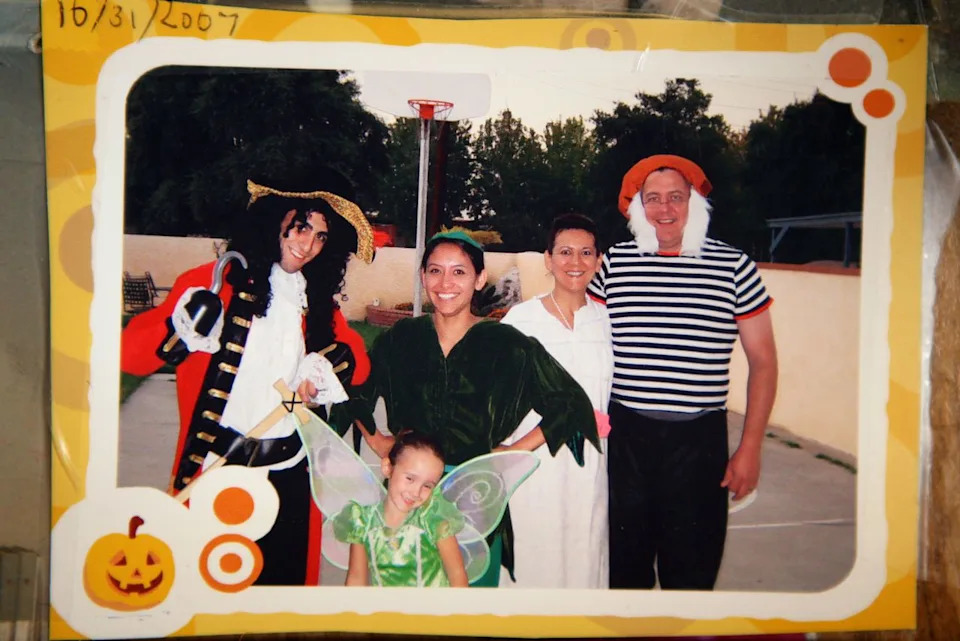
SplashNews.comBruce Pardo family photo
According to police reports and news accounts, he was armed with multiple 9-millimeter handguns and, as the door opened, immediately began shooting at those inside. Afterward he walked into the living room, poured racing fuel across the floor and ignited it, rapidly engulfing the house in flames.
"An 8-year-old female was running toward him, at which time she was shot in the face," Covina Police Lt. Pat Buchanan later said. The child survived after being struck in the cheek.
Victims and Immediate Aftermath
The blaze and gunfire killed nine people, including Pardo’s ex-wife, Sylvia, her parents, two brothers and their spouses, a sister and a 17-year-old nephew. One young child survived despite being shot. A guest at the party called 911 and told the dispatcher she suspected Pardo because the couple were in the midst of a divorce.
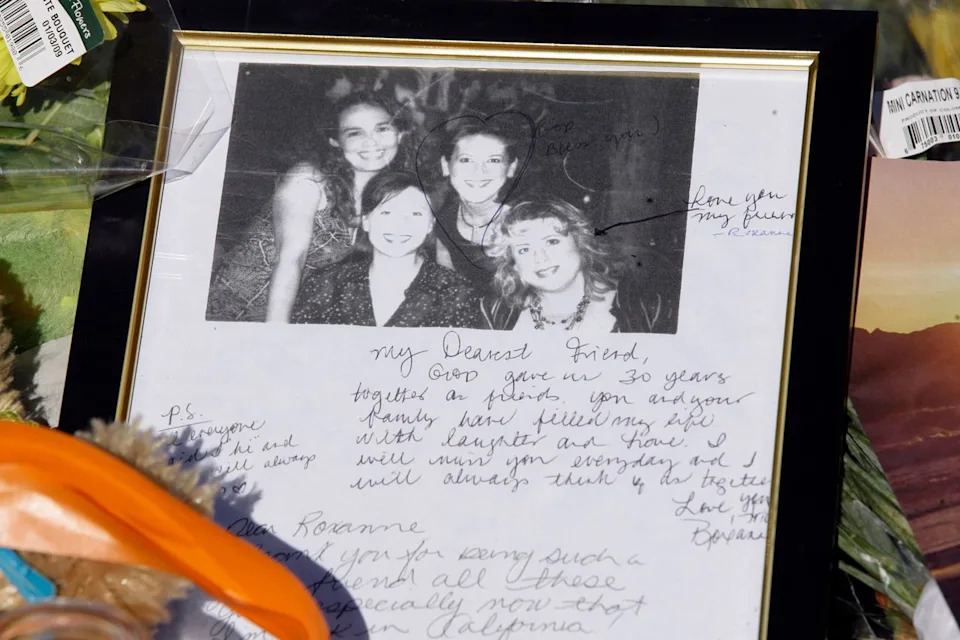
AP Photo/Nick UtA photo is left at an impromptu memorial
Pardo's Flight and Death
Pardo fled the burning home and drove roughly 40 miles to his brother’s residence in Sylmar. There he forced entry and died of a self-inflicted gunshot wound to the head. Emergency personnel found $17,000 in cash and a plane ticket to Illinois strapped to his body.
Investigators later discovered that Pardo had left a booby-trapped rental car near the crime scene; the vehicle detonated when bomb-disposal specialists attempted to neutralize the device, but no one was injured.
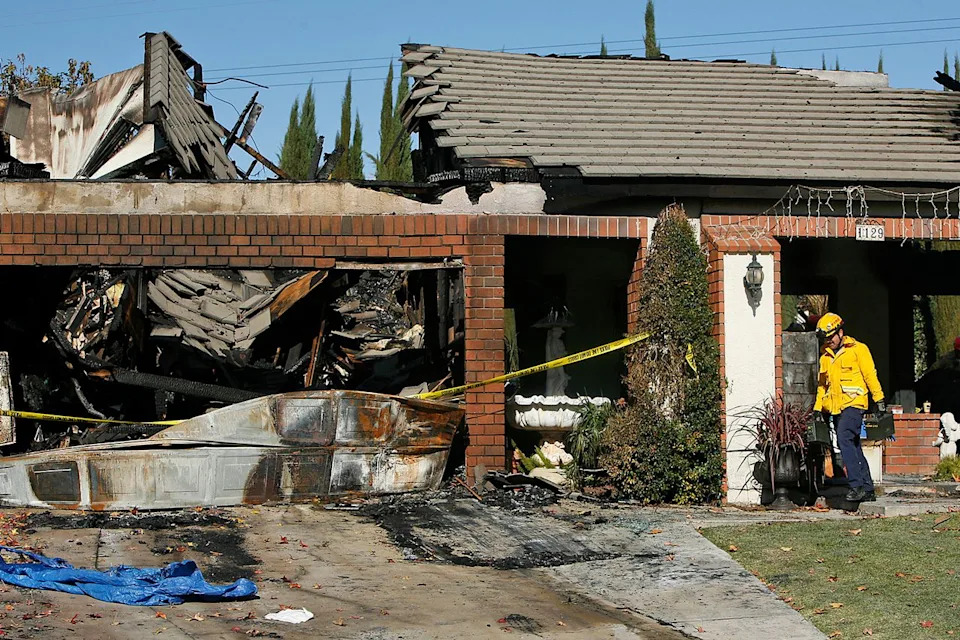
Brian Vander Brug/Los Angeles Times via GettyThe burned home on Knollcrest
Investigation, Motive and Background
Authorities reported that Pardo had recently been fired from a defense contractor amid allegations he billed fraudulent hours, and he had been separated from his wife since March 2008. The couple reached a settlement about a week before the attack. In the months leading up to the massacre, police say Pardo bought multiple firearms and hundreds of rounds of ammunition.
Evidence gathered by investigators suggested he intended a wider campaign of violence; police said he had planned to target his mother, who had declined to attend the party, and left a second car outside his ex-wife’s divorce attorney’s home in Glendale.
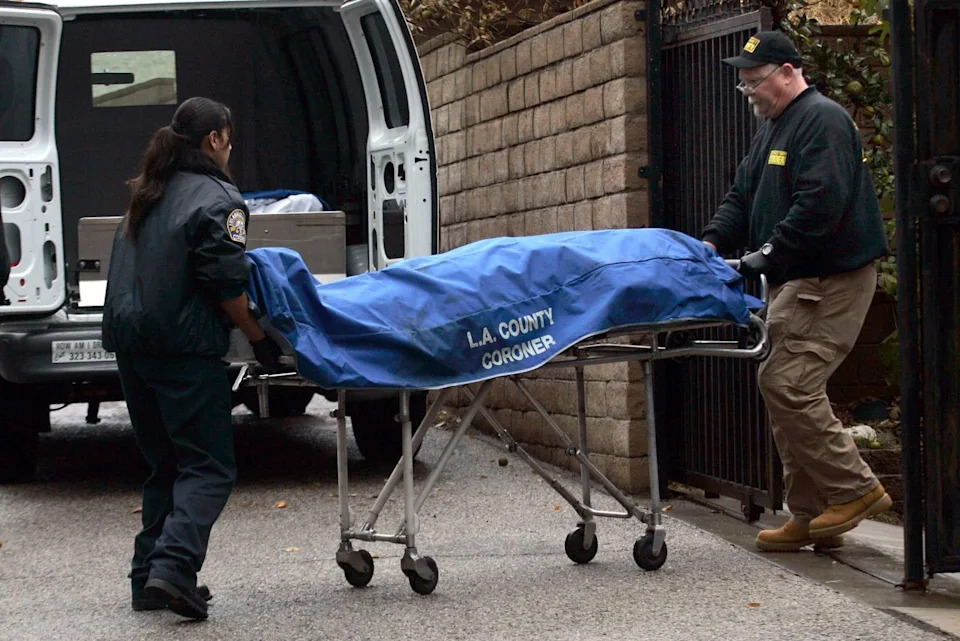
Ken Hively/Los Angeles Times via GettyCoroner removes the body of Bruce Jeffrey Prado from house on Joseph Court in Sylmar
Pardo had ordered a custom, extra-large Santa suit in September from a local seamstress—a detail that later alarmed the maker when she learned how the costume was used.
Eyewitness Accounts
Neighbors and guests described chaos and terror as the house erupted in flames. Joshua Chavez, visiting his mother at the time, said he heard an explosion and saw partygoers fleeing. "About 20 seconds after that, the house was totally on fire," he told reporters.
Legacy and Questions
The Covina massacre remains one of the most notorious holiday mass killings in recent U.S. history. It prompted renewed attention to warning signs in domestic disputes, the stockpiling of weapons, and how seemingly ordinary people can carry out sudden, extreme acts of violence. Investigators, journalists and community members have continued to ask what signs might have been missed and how similar tragedies can be prevented.
Sources: Law-enforcement statements and contemporaneous reporting from local and national outlets.


