
Independent counsel Cho Eun-suk concluded that former President Yoon Suk Yeol planned for more than a year to impose martial law to eliminate rivals and centralize authority. The Dec. 3, 2024, emergency decree lasted only hours, sparking mass protests, a swift impeachment and his eventual removal. Yoon and 23 associates have been indicted, while separate police raids probe alleged bribery links between politicians and the Unification Church.
Probe Finds Yoon Plotted Yearlong Martial Law Plan to Crush Rivals, Inquiry Says

A TV screen shows a file image of South Korea's ousted President Yoon Suk Yeol during a news program at the Seoul Railway Station in Seoul, South Korea, Monday, Dec. 15, 2025. (AP Photo/Ahn Young-joon)(ASSOCIATED PRESS)
Seoul investigators and an independent counsel concluded that former President Yoon Suk Yeol spent more than a year planning to impose martial law to eliminate political rivals and consolidate power, according to a report released Monday.
Key Findings
Independent counsel Cho Eun-suk, who led a six-month inquiry, says Yoon and close military allies reshuffled senior officers, cultivated support among generals and sought to provoke incidents with North Korea as a pretext for declaring military rule. The probe concluded that Yoon's emergency martial law decree on Dec. 3, 2024, lasted only hours but triggered mass protests, his impeachment and eventual removal from office.

South Korean independent counsel Cho Eun-seok speaks as he announces the results of its investigation into insurrection charges related to former President Yoon Suk Yeol at the Seoul High Prosecutors' Office in Seoul Monday, Dec. 15, 2025. (Jung Yeon-je/Pool Photo via AP)(ASSOCIATED PRESS)
'Yoon Suk Yeol ... tried to declare martial law by inciting military provocations by North Korea, but that plan failed,' Cho said. 'Yoon declared emergency martial law to monopolize and maintain power by taking control of the legislative and judiciary branches and eliminating his political opponents.'
Alleged Military Maneuvers and Timing
Cho reported that the plot dated back to before October 2023. Investigators say Yoon and his associates promoted loyalists into key military posts and removed a defense minister who opposed the plan. From October 2024, the probe alleges, senior officials including Defense Minister Kim Yong Hyun and Yeo In-hyung, then-chief of military counterintelligence, coordinated operations aimed at North Korea; Cho's deputy also accused Yoon of ordering drone flights over the North, an allegation Yoon denies knowing about.
Investigators noted that North Korea did not retaliate, likely because it was occupied with supporting Russia's war in Ukraine, which left no clear external threat to justify martial law in South Korea. Still, Cho says Yoon moved forward and labeled the liberal-controlled legislature 'anti-state forces' that had to be urgently removed.
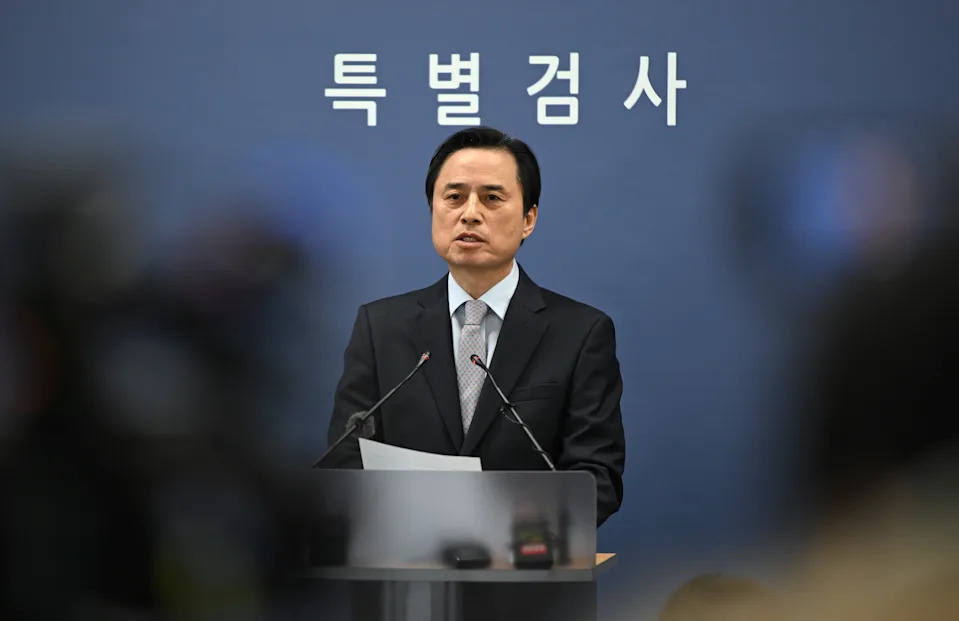
South Korean independent counsel Cho Eun-seok speaks as he announces the results of its investigation into insurrection charges related to former President Yoon Suk Yeol at the Seoul High Prosecutors' Office in Seoul Monday, Dec. 15, 2025. (Jung Yeon-je/Pool Photo via AP)(ASSOCIATED PRESS)
Rapid Political Fallout
On Dec. 3, hundreds of troops reportedly surrounded the National Assembly and entered election commission offices after Yoon's order. Thousands of citizens protested outside the legislature, and lawmakers who entered the building voted down the decree within hours. Later that month, the National Assembly impeached Yoon, suspending his powers pending a Constitutional Court review; the court formally removed him from office in April.
A snap presidential election produced a new president, Lee Jae Myung, in June. Lee's administration appointed three independent counsels to investigate the martial law episode and related allegations involving Yoon, his wife and associates.
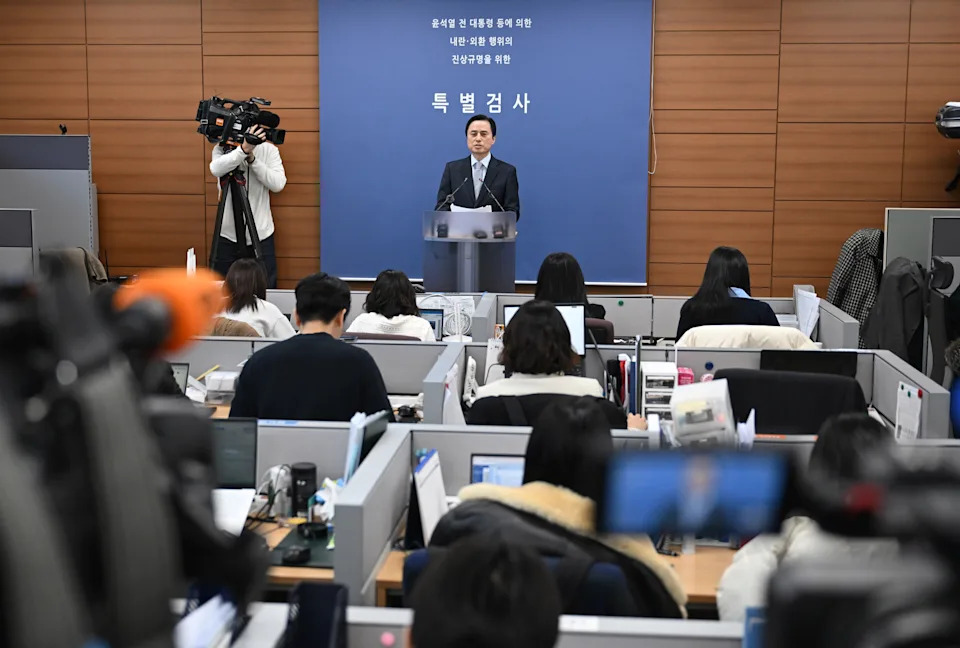
South Korean independent counsel Cho Eun-seok speaks as he announces the results of its investigation into insurrection charges related to former President Yoon Suk Yeol at the Seoul High Prosecutors' Office in Seoul Monday, Dec. 15, 2025. (Jung Yeon-je/Pool Photo via AP)(ASSOCIATED PRESS)
Indictments and Arrests
Cho said Yoon and 23 others, including senior officials such as Defense Minister Kim, Prime Minister Han Duck-soo and Deputy Prime Minister Choi Sang-mok, have been indicted over the martial law decree. Several senior military officers were also arrested and charged by military prosecutors. Investigators reported inflammatory private comments attributed to Yoon, including threats against political rivals, which underscored the probe's assessment of a power-driven motive.
Investigators also noted signs that Yoon and his allies may have timed the attempt to coincide with the U.S. presidential election transition, apparently fearing scrutiny from Washington during a period of distraction.
Separate Unification Church Bribery Probe
Separately, police have raided multiple Unification Church-related facilities, including its Seoul headquarters and a large complex in Gapyeong, as part of a bribery investigation implicating politicians across party lines. Yoon's wife, Kim Keon Hee, was arrested and indicted on charges that include accepting bribes through an intermediary from a Unification Church official seeking business favors.
Law enforcement also searched the home and office of Chun Jae-soo, Lee's former minister of oceans and fisheries, and residences tied to former Democratic Party lawmaker Lim Jong-seong and Kim Gyu-hwan amid suspicions they received church-related payments. Chun has denied taking bribes but resigned to avoid burdening the new administration. The church's 82-year-old leader, Hak Ja Han, has been held in custody since September and facilities linked to her have also been searched.
The investigations remain ongoing. Yoon is in detention and faces trials on high-stakes rebellion and other charges; he maintains that his martial law declaration sought public support in a standoff with an obstructionist legislature.


