
Democrats face a wave of primary challenges as progressives push to replace long-serving incumbents with more energetic candidates, prioritizing style and leadership over policy differences. Key Senate primaries are underway in Michigan, Minnesota, Maine, Iowa and Texas, and Democrats need a net gain of four Senate seats to retake control. High-profile intraparty battles — including Justin Pearson’s challenge to Steve Cohen — highlight generational, strategic and funding tensions within the party. The outcomes will help determine whether Democrats pursue a bolder progressive turn or consolidate around experienced centrists for the general election.
Democrats’ Heated Primaries Could Reshape the Party — But Risk Undermining General Election Unity

Rep. Jasmine Crockett, D-Texas, speaks to reporters after announcing her run in the Democratic primary for Senate on Monday, December 8, 2025, in Dallas. - LM Otero/AP
At least a dozen House Democrats already face primary challenges as a progressive cohort pushes to replace long-serving incumbents in safe districts with newer, more energetic voices. These intraparty battles — unfolding in House and Senate contests across multiple states — reflect tensions over tone, leadership and strategy more than sharp policy differences.
Why This Matters
Progressive groups such as Justice Democrats and Leaders We Deserve (founded by former DNC vice chair David Hogg) argue that changing the party’s roster in safe seats is necessary to better counter President Donald Trump and the GOP congressional majority. Opponents within the party warn that divisive primaries could distract from the central goal of defeating Republicans in the 2026 midterms.
“Progressives do the hard work of organizing,” said Liam Kerr, co-founder of Welcome PAC. “Centrists tend to do the sporadic work of helping candidates win in red districts and then producing the data to say, ‘I told you so,’ to the left.”
High Stakes on the Senate Map
Democrats need a net gain of four Senate seats to regain control of the chamber next year, and they face competitive primaries in Michigan, Minnesota, Maine, Iowa and Texas. The map is further complicated by Georgia Senator Jon Ossoff running for reelection in a state carried by Trump in 2024.
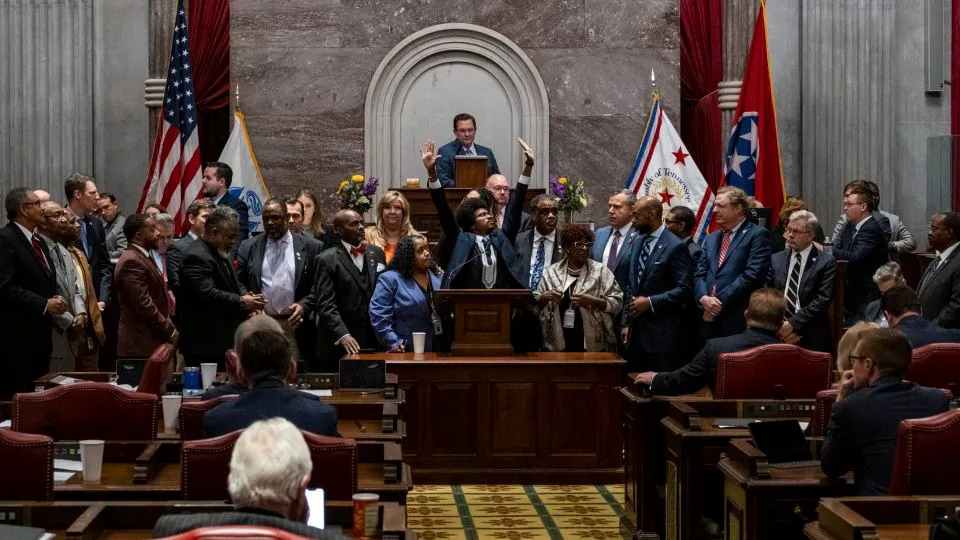
Democratic state Rep. Justin Pearson of Memphis acknowledges supporters after being expelled from the state Legislature on April 6, 2023 in Nashville, Tennessee. - Seth Herald/Getty Images
House Races and the Intraparty Split
On the House side, progressives and moderates are clashing in several key primaries, including contests aimed at winning back districts that flipped or remained vulnerable in 2024. Advocates for change say the party must present a bold vision to recapture voters who abandoned Democrats last cycle rather than prioritize low-risk appeals.
Notable Contests
In Memphis, Justice Democrats endorsed 30-year-old state representative Justin Pearson, who rose to national attention after being briefly expelled from the Tennessee legislature following a gun-control protest. He is running against 10-term Congressman Steve Cohen, who argues his decades of experience and progressive votes demonstrate continued relevance.
“It is impossible that the same people who have been in power for 30 or 40 years are going to be the ones who help to change the trajectory of our nation for the next 30 or 40,” Pearson said. “We have to have new voices, new ideas, new leadership and new energy right now.”
Other rising challenges include Nida Allam in North Carolina, who has highlighted generational differences and the role of campaign funding — including past support for incumbents from pro-Israel groups such as AIPAC. Incumbent Rep. Valerie Foushee has said she will not accept AIPAC donations this cycle and defended her progressive record.
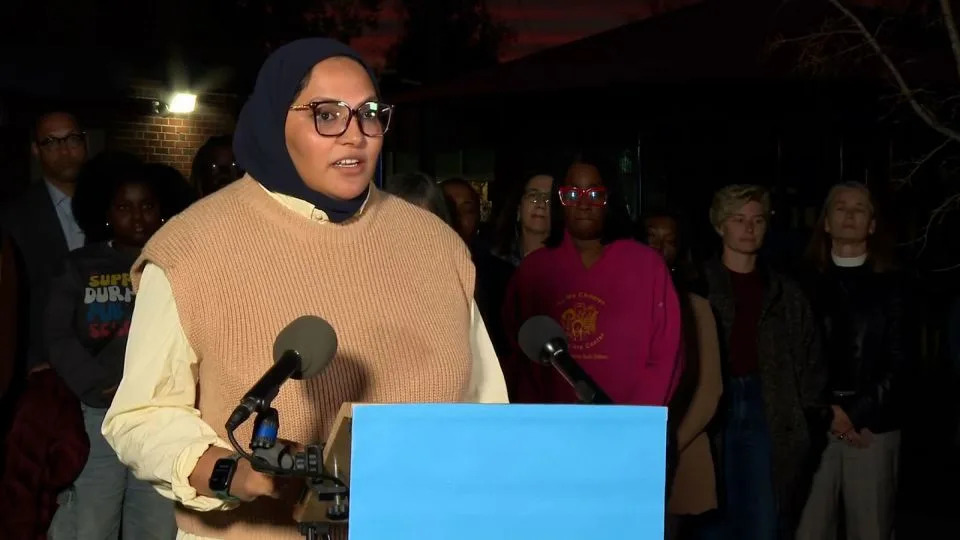
Nida Allam, chair of the Durham Board of County Commissioners and a Democratic candidate for Congress, speaks on Tuesday. - WRAL
Sometimes factions align: Senator Bernie Sanders, Welcome PAC and moderate Blue Dogs all backed Wisconsin Democrat Rebecca Cooke after her narrow 2024 loss to Republican Rep. Derrick Van Orden. Cooke attributes broad support to her focus on economic issues affecting rural voters.
What’s at Stake
These primaries will help determine whether the Democratic Party reorients itself toward a younger, more activist base or doubles down on centrist, experienced officeholders who argue incumbency and pragmatism are necessary to win swing voters. The outcome will shape messaging, staffing and battlefield strategy heading into a high-stakes midterm year.
“If left to their own devices, the establishment of the Democratic Party has told us many times over that they’re comfortable with the kind of a play-dead strategy,” said Faiz Shakir, a longtime adviser to Senator Bernie Sanders.
The primary season is still unfolding, and how Democrats resolve these internal disputes will be an important factor in their ability to compete in the 2026 midterms.


