
One year after Hurricane Helene struck Western North Carolina in September 2024, Fraser fir growers are rebuilding after severe flooding. Waightstill Avery III estimates his farm lost about 64,000 trees and sustained roughly $4–4.4 million in damages after 20 acres were submerged under up to eight feet of water. Some farms escaped damage while others were destroyed, and industry sources expect tree supply to fluctuate for the next six to seven seasons. Community support and renewed demand for real trees are helping the region recover.
One Year After Helene: North Carolina Fraser Fir Growers Rebuild From Devastating Flooding

North Carolina Christmas Tree Association says the Fraser Fir is considered the nation's best.
One year after Hurricane Helene flooded parts of Western North Carolina in September 2024, Fraser fir growers are rebuilding — restoring land, equipment and livelihoods that were swept away by the storm. North Carolina, the nation’s second-largest producer of Christmas trees and home to the prized Fraser fir, faced wide-ranging damage that will affect tree supply for several seasons.
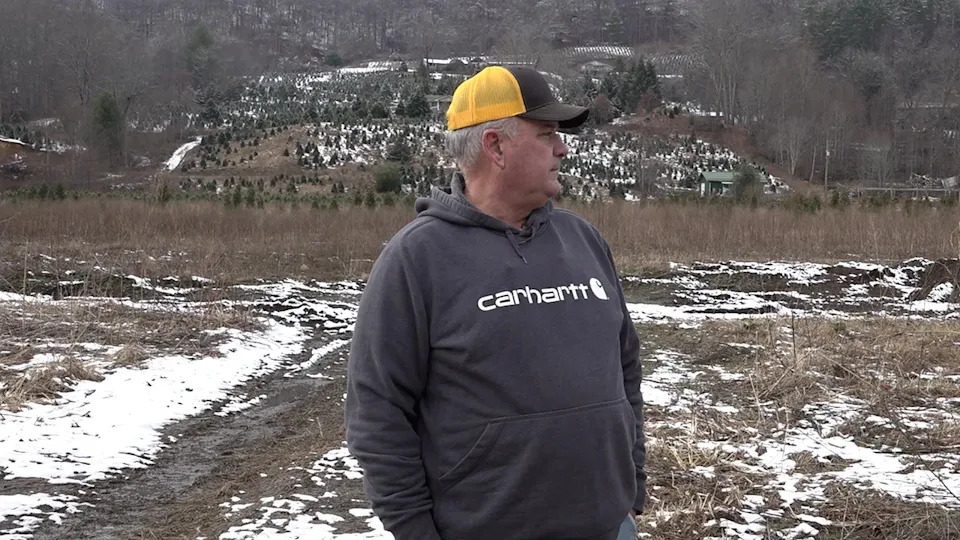
Avery Farms owner, Waightstill Avery says Helene caused more than $4 million in damages.
Helene’s Impact on Farms
Waightstill Avery III, who has grown Fraser firs for decades in Newland, North Carolina, said the storm erased years of work. “It seems to be something you either love it or you hate it,” he said, describing daily efforts since the flood to recover what was lost. Avery estimates his operation lost roughly 64,000 trees and that about 20 acres of his farm were submerged under as much as eight feet of water. In total, he estimates damages — including trees, machinery, equipment, his office and his newly moved-into home — at about $4.0–$4.4 million.
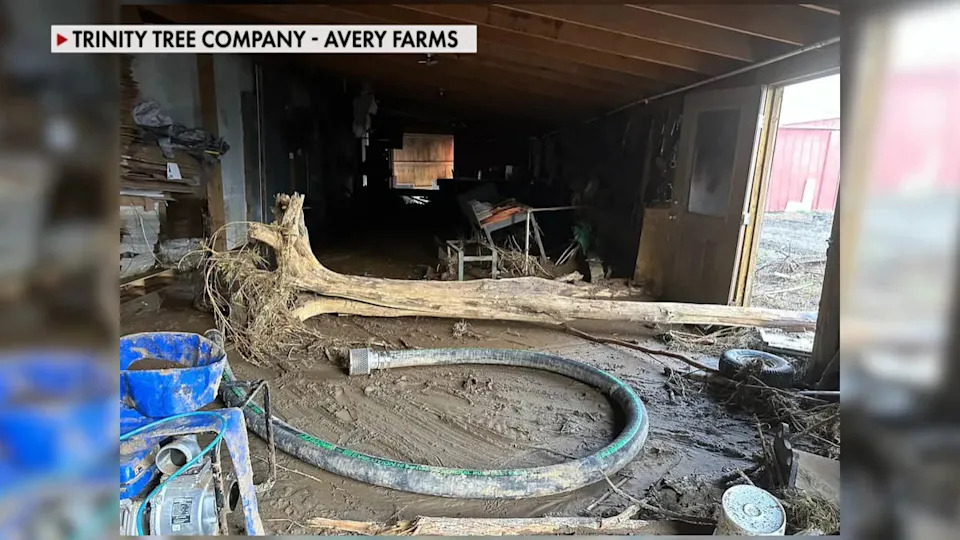
Avery Farms, a Christmas tree company, posted the damage done by Hurricane Helene on Facebook.
“Well, it was money that would've been made, it's just not been made. So you just accept it and move on,” Avery said, noting the full effects will take time to assess and that supply may fluctuate for the next six to seven seasons.
Small Farms, Big Challenges
Not every grower faced identical impacts. About an hour away in Boone, grower Joey Clawson said his family’s farm escaped direct flooding because it didn’t require crossing creeks or rivers to reach tree fields. But he described frantic early attempts by many farmers to reach their properties, using makeshift bridges and bulldozers to clear debris and drive through shallow water.
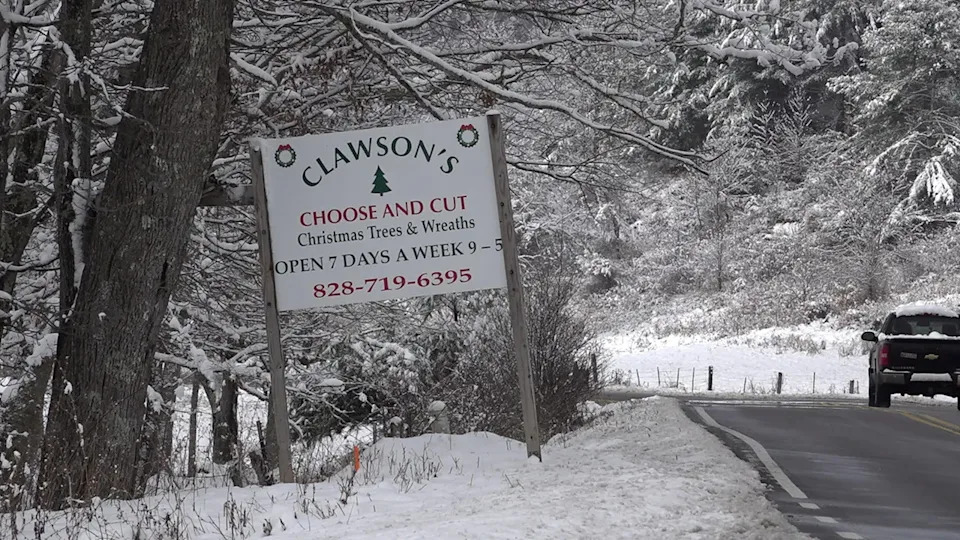
Clawson's Christmas tree farm still selling trees until Christmas Day.
“They were panicking trying to get to their fields… having to make makeshift bridges, bulldozers to just dig out and drive through the water if it’s not too high,” Clawson said. “A few farms were just wiped out.”
Clawson emphasized the thin margins growers face: farming carries ongoing bills and long lead times — many Fraser firs take nearly a decade to mature — so storms can erase years of expected revenue.
Recovery And Outlook
Community support helped many growers get through last season’s Christmas tree sales, and growers report steady business so far this year. Clawson also noted a renewed interest among younger buyers in real trees, which may help demand recover over the coming seasons.
While some farms were largely unscathed, others were severely damaged or destroyed. Industry watchers expect tree supply to be uneven over the next six to seven seasons as growers replant and regrow lost inventory. Consumers who want to support the recovery can look for local tree farms and buy directly when possible to help regional growers rebuild.


