
The 120-foot ex‑Navy torpedo recovery vessel TWR‑8419 (renamed HAZAR), built in 1986 and sold at auction in 2021, sat abandoned in a Charleston marsh after its owner failed to register it and ignored Coast Guard orders. Following a multi‑year investigation and an arrest by the South Carolina DNR, the ship was fully cleaned of motors, fluids, and hazardous gear and deliberately sunk offshore. The scuttling creates South Carolina’s 612th artificial reef, intended to benefit fish, divers, and recreational anglers while removing a persistent environmental hazard.
From Derelict to Habitat: Ex‑Navy Torpedo Recovery Ship Sunk to Form South Carolina’s 612th Artificial Reef

TWR-8419 preparing to be sunk in South Carolina - YouTube/WTOC
A 120-foot former U.S. Navy torpedo recovery vessel that had been abandoned in a Charleston-area creek has been intentionally sunk offshore to become an artificial reef, closing a years-long environmental and legal episode. The vessel, originally designated TWR-8419 and later renamed HAZAR, was built in 1986 and sold at federal auction in 2021.
How a Navy Range Craft Became an Environmental Concern
After the 2021 auction, the buyer proved unable to register the vessel under state rules and never obtained required federal documentation. The ship remained immobilized in the marsh, ignored U.S. Coast Guard orders, and was effectively abandoned when the owner became unreachable. While abandoned pleasure boats are common, a retired Navy range craft more than 100 feet long posed heightened risks, including potential leaks of fuel, hydraulic fluids, or other contaminants in a sensitive estuarine environment.
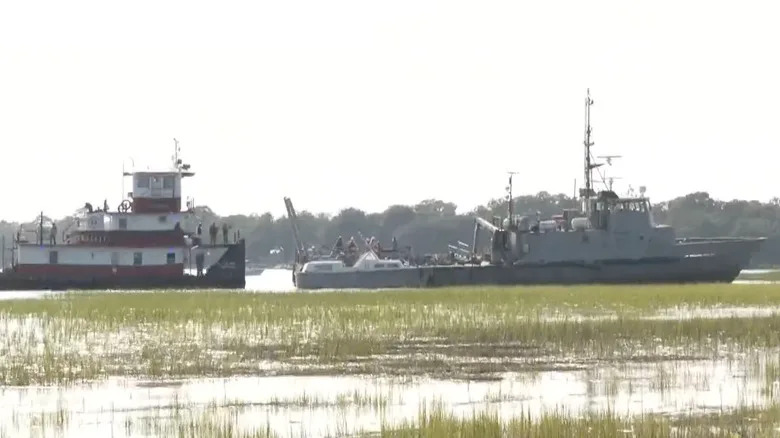
Abandoned torpedo ship in South Carolina marsh - YouTube/WCBD NEWS 2
Investigation, Accountability and an Alternative Outcome
The South Carolina Department of Natural Resources (DNR) investigated the case for more than four years, ultimately locating a responsible party and making an arrest. Rather than immediately scrapping the hull, state officials collaborated with the Coastal Conservation Association South Carolina to convert the ship into an artificial reef — a solution that removes the hazard while creating long‑term ecological and recreational value.
Environmental Precautions and Reefing Process
Before sinking, crews undertook extensive remediation: all motors, fluids, hazardous materials and removable equipment were stripped from the hull and disposed of or recycled according to environmental standards. Only after certification that the vessel posed no pollution risk was it towed offshore and scuttled to the seafloor.
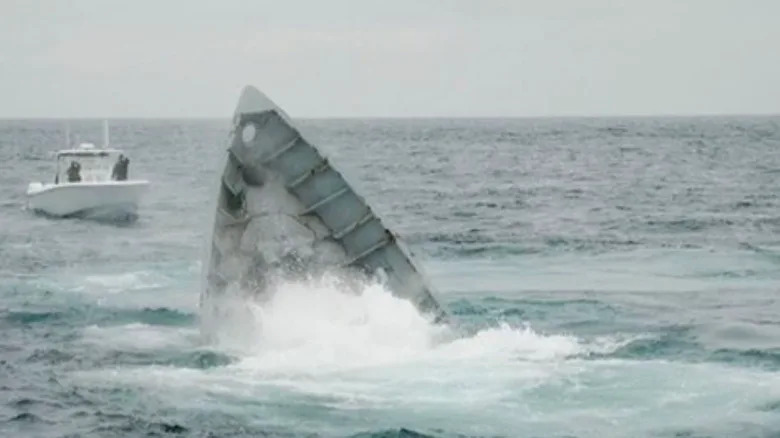
Ship being sunk to become manmade reef - YouTube/WTOC
Result: The HAZAR now serves as South Carolina’s 612th managed artificial reef, intended to provide habitat for migrating and resident fish and a new site for recreational anglers and divers.
Why Reefing Matters
Properly prepared vessel reefs can enhance local fisheries, increase biodiversity, and offer diving opportunities when sited and monitored responsibly. While this ship is far from the high‑profile restoration debates surrounding vessels like the SS United States, the HAZAR’s transformation demonstrates a practical, locally focused approach: remove an immediate environmental threat, ensure legal accountability, and convert liability into long‑term public and ecological benefit.
For locals, the outcome removes an unsightly and hazardous wreck from the marsh. For the marine environment and outdoor recreation, it provides a new, monitored habitat for marine life and a destination for anglers and divers.


