
House Speaker Mike Johnson and Israeli Knesset Speaker Amir Ohana have begun an outreach campaign to persuade parliamentary leaders worldwide to nominate Donald Trump for the 2026 Nobel Peace Prize. They formalized the effort with a letter to the Nobel Committee and a photo announcing their initiative. Critics note ongoing conflicts in regions the speakers cite and point to controversial U.S. actions—rhetoric, military operations, and a tanker seizure—that complicate claims about Trump’s peace record.
Johnson and Israeli Speaker Rally Global Lawmakers to Nominate Trump for 2026 Nobel Peace Prize

House Speaker Mike Johnson and Israeli Knesset Speaker Amir Ohana have launched a campaign urging parliamentary leaders worldwide to nominate former President Donald Trump for the 2026 Nobel Peace Prize. The move follows a symbolic gesture at the recent World Cup draw and a formal letter to the Nobel Committee announcing their effort.
Johnson posted a photograph of himself with Ohana as they quietly began outreach to other legislative leaders. A press release from Johnson’s office said the two plan to "rally Speakers and Presidents of Parliaments around the world to join them in nominating President Trump for the Nobel Peace Prize in 2026."
What the Letter Says
Their letter to the Nobel Committee argues that "few, if any, have done more in history to advance the cause of peace — and none are more worthy of this honor." The announcement also references several disputes that the speakers say were resolved or advanced through Trump’s diplomacy.
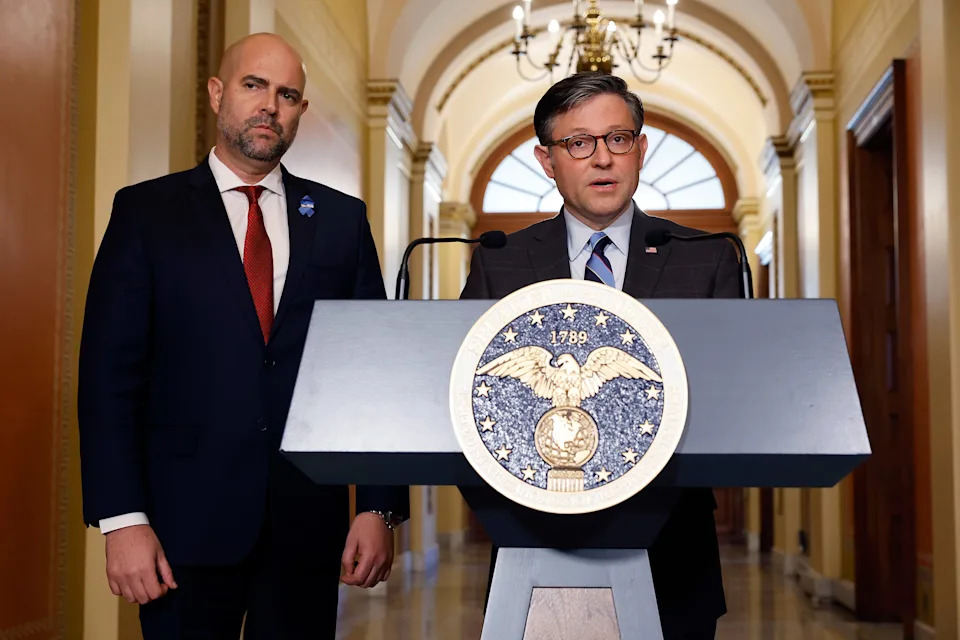
WASHINGTON, DC - FEBRUARY 06: Speaker of the House Mike Johnson (R-LA) (R) and Israeli Speaker of the Knesset Amir Ohana make statements to the press at the U.S. Capitol on February 06, 2024 in Washington, DC. Johnson invited Ohana to Washington to continue soliciting support from the United States for Israel's war against Hamas in Gaza. Leaving aside a Senate-negotiated immigration bill and aid to Ukraine for its war with Russia, Johnson told House members that he will move ahead this week with a stand-alone bill to provide aid to Israel, with no offsetting spending cuts. (Photo by Chip Somodevilla/Getty Images)
"Few, if any, have done more in history to advance the cause of peace — and none are more worthy of this honor." — Excerpt from the Johnson–Ohana letter to the Nobel Committee
Responses and Controversies
Trump has frequently claimed credit for settling long-running conflicts and brokering agreements. However, reporting by TIME and other outlets has noted ongoing tensions and clashes in some of the regions the speakers cite, including border frictions between Thailand and Cambodia, tensions along the Democratic Republic of the Congo–Rwanda frontier, and the protracted war between Israel and Hamas.
Critics also point to a series of actions tied to Trump’s recent policies and rhetoric that they say complicate the peace-nomination argument. These include aggressive rhetoric about cities in the United States, allegations of an effort to sabotage vessels in international waters, U.S. airstrikes and operations in Yemen, limited military strikes against Iran that some analysts called ineffective, and the seizure of a Venezuelan oil tanker followed by the administration’s reported statement about keeping the cargo.
Supporters of the nomination argue that diplomatic wins and international gestures warrant recognition, while opponents say outstanding conflicts and controversial actions undercut any claim of a singular, historic contribution to global peace.
Why It Matters: The push highlights how international accolades are often shaped by political advocacy and underscores the broader debate over how to measure and recognize contributions to peace in complex, ongoing global conflicts.


