
Ukraine may pull back forces from parts of Donetsk and Luhansk to form a demilitarised buffer, but only if Russia makes a reciprocal withdrawal and the territory remains internationally recognised as Ukrainian. President Zelensky has warned that some US proposals — including calls for a "free economic zone" in Donetsk — would not require Russia to leave other occupied regions and has instructed negotiators to engage constructively. Paris talks this weekend will pit US proposals against European and Ukrainian counteroffers as Kyiv presses for written US security guarantees.
Ukraine Could Withdraw Forces From Donbas If Russia Reciprocates, Kyiv Says — Paris Talks Set to Test Proposal

Under the compromise deal, Ukraine’s troops would withdraw from the Donetsk region and Russian forces would not enter the territory
Ukraine has said it could withdraw troops from parts of the eastern Donbas region as part of a peace proposal being discussed ahead of meetings with US and European officials in Paris.
The plan under consideration would see Ukrainian forces pulled back from portions of Donetsk and Luhansk to create a clearly marked demilitarised buffer zone — but only if Russia agrees to a reciprocal withdrawal from the same area. Kyiv stresses that any buffer would remain internationally recognised as Ukrainian territory.
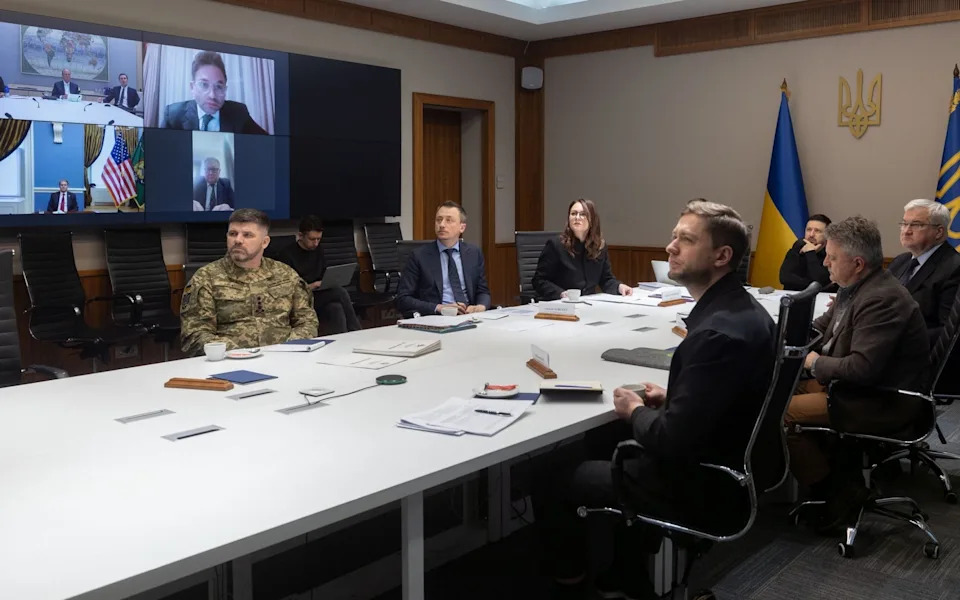
Volodymyr Zelensky posted a picture from talks on Wednesday, saying he held a ‘productive discussion’ with Scott Bessent, Jared Kushner and Larry Fink
President Volodymyr Zelensky told reporters in Kyiv that former US President Donald Trump has advocated establishing a "free economic zone" in mineral-rich areas of Donetsk, a proposal that has alarmed Ukrainian leaders. Zelensky warned that some US iterations of the plan would not necessarily require Russia to withdraw from other occupied southern regions such as Kherson and Zaporizhzhia.
"They see Ukrainian forces leaving the territory of Donetsk region, and the supposed compromise is that Russian forces do not enter this territory ... which they already call a 'free economic zone'," Mr Zelensky said.
Although Zelensky has insisted he does not have the authority to cede sovereign territory and would not act against public consent, he has asked Ukrainian negotiators to engage constructively with US proposals rather than reject them out of hand.
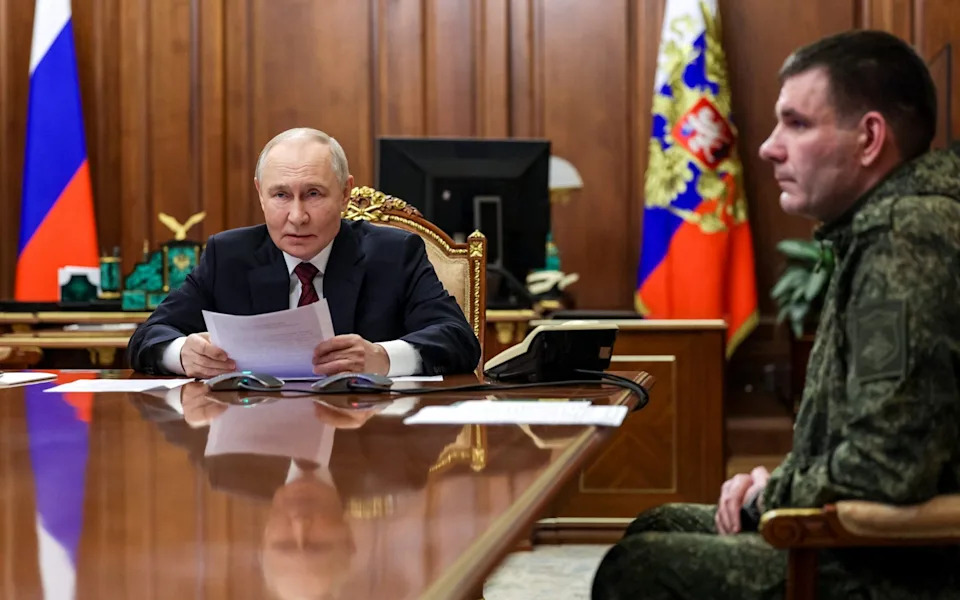
Vladimir Putin and a senior commander Denis Pirogov at a meeting on Thursday to discuss the “special military operation” in Ukraine - Gavriil GRIGOROV/AFP
Paris Talks and Rival Drafts
The proposed compromise is expected to be discussed at talks in Paris this weekend, which will bring together Ukrainian, European and US officials to review the controversial territorial concessions reportedly advanced by Mr Trump. European and Ukrainian teams have prepared counter-proposals to the current US ceasefire blueprint.
German Chancellor Friedrich Merz said discussions will focus on what territorial compromises Ukraine might accept — a decision he stressed belongs to Mr Zelensky and the Ukrainian people. Mr Merz added that, after a recent phone call, he believes Mr Trump is prepared to pursue a path in coordination with European partners.
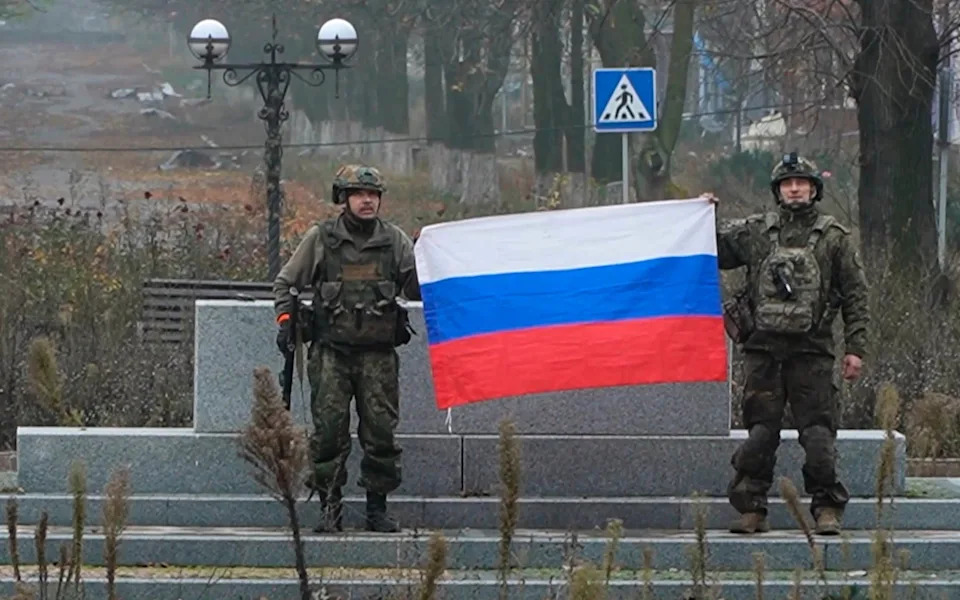
Russian soldiers laid claim to the city of Pokrovsk in the Donetsk region earlier this month - Russian Defense Ministry Press Service
Mr Merz also held talks earlier this week with UK Prime Minister Keir Starmer and French President Emmanuel Macron on the importance of securing a "just and lasting" end to the war.
Points Of Contention
US presidential envoy Steve Witkoff has reportedly pressed Kyiv to make unilateral concessions in Donbas as the price for peace, and an earlier 28-point plan drawn up by his team with a senior Russian official proposed a demilitarised zone that would be "internationally recognised as territory belonging to the Russian Federation." Mr Zelensky rejected that scheme, arguing it would surrender Ukraine's fortified defensive belt and create a staging ground for future aggression.
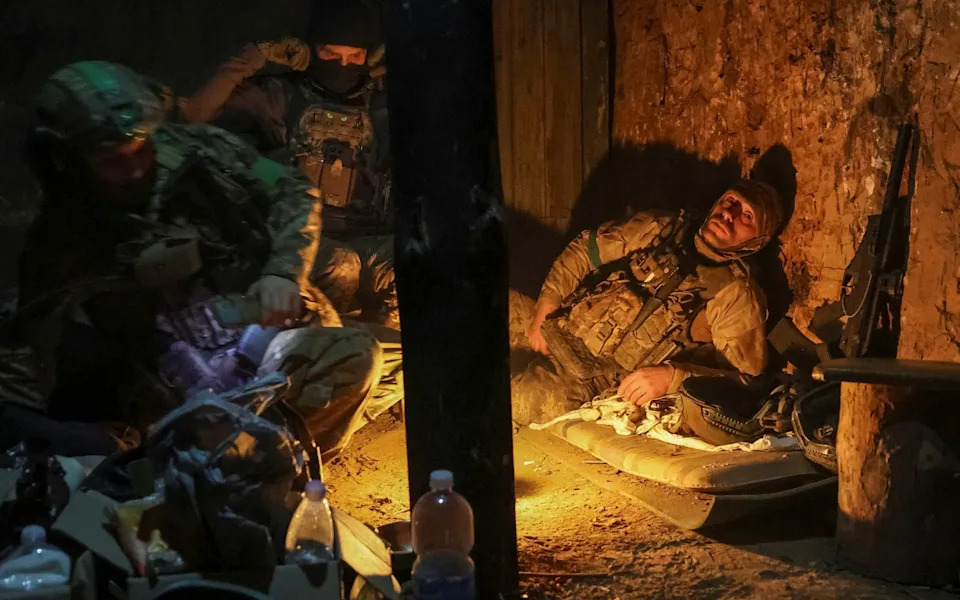
A quarter of Donetsk is still under Ukrainian control - Anatolii Stepanov/Reuters
Under Kyiv's counter-proposal, withdrawals would be strictly "reciprocal" and the buffer would remain Ukrainian under international law. Exact borders for any demilitarised zone would need to be defined in direct talks between Mr Zelensky and US representatives, and the scale of any pullback will be contentious: only about 25% of Donetsk remains under Ukrainian control, and that area includes strategically significant cities, while territory held by Russia is mainly rural.
Ukraine is also pushing for simultaneous negotiations on territory and explicit written US security guarantees designed to deter future Russian aggression. So far, Trump aides have resisted specifying in writing what measures the United States would take if Russia attacks again, and the latest draft proposals reportedly lack precise security language.
Kyiv is expected to press for stronger, clearer guarantees at the Paris talks, which will include NATO's top military representative, Alex Grynkewich. European leaders intend to seek a larger role for the continent in any negotiations after tensions grew within the transatlantic alliance over the US proposals.
"The work we are doing together remains very difficult. Putin continues to ruthlessly mount his brutal war against the civilian population. At the same time, he is playing for time," Mr Merz said, urging legal and material guarantees underpinning any ceasefire.
Russia, for its part, has shown little sign of willingness to compromise. Foreign Minister Sergey Lavrov said talks between President Vladimir Putin and Mr Witkoff "eliminated misconceptions and misunderstandings," but argued that security guarantees "could not be limited only to Ukraine," and cautioned Europe against focusing solely on US guarantees while ignoring Russia's security concerns.
With major questions unanswered — the precise lines of any buffer, whether withdrawals would be genuinely reciprocal, and what legal or military guarantees would ensure long-term security — the Paris talks are likely to be contentious. Negotiators say the coming days will be crucial in determining whether a viable ceasefire framework can be agreed without forcing concessions Kyiv’s people reject.


