
Sen. Tom Cotton introduced the Lowering Egg Prices Act of 2025, which would direct the FDA and USDA to revise egg-handling rules so surplus broiler hatching eggs can be processed into pasteurized liquid egg products and sold for consumption. The change aims to boost supply and ease retail prices after spring spikes above $6 per dozen tied to avian flu culls. The USDA has also allocated about $1 billion this year to strengthen the egg supply chain.
Cotton’s ‘Lowering Egg Prices Act’ Would Loosen Hatchery Rules To Boost Supply And Cut Costs
10:24 PM, 12/10/2025

Sen. Tom Cotton wants to lower the costs of eggs by loosening regulations.
Sen. Tom Cotton (R-Ark.) plans to introduce the Lowering Egg Prices Act of 2025, a bill designed to increase the number of eggs available for consumption by making it easier for surplus broiler hatching eggs to be processed into pasteurized liquid egg products.

President Donald Trump delivers remarks during an event at Mount Airy Casino Resort on Dec. 9, 2025, in Mount Pocono, Pennsylvania.
Under the proposal, the Food and Drug Administration (FDA), in coordination with the U.S. Department of Agriculture (USDA), would be required to revise federal egg-handling rules to create a clear regulatory pathway allowing eggs originally intended for hatching to enter the human food supply after appropriate processing.
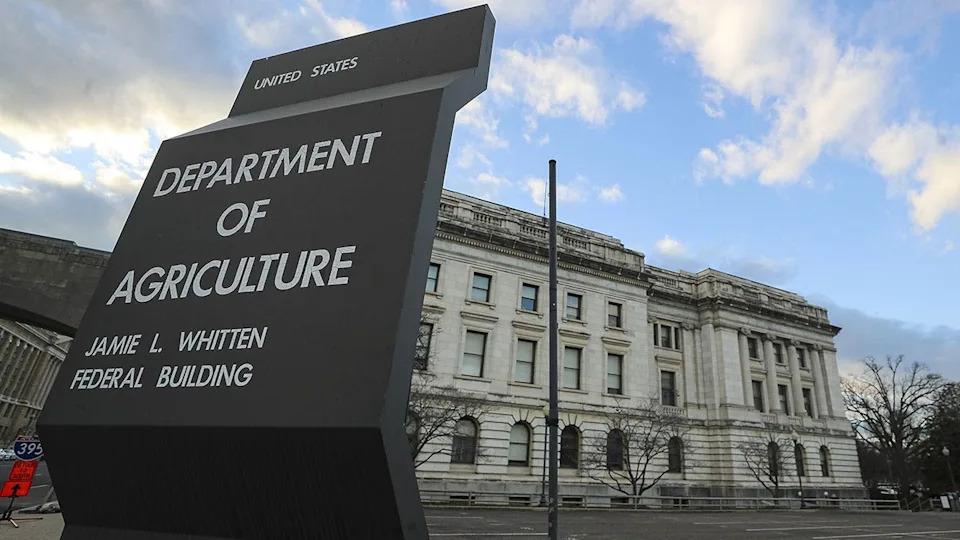
The U.S. Department of Agriculture in Washington, Dec. 18, 2022.
"Arkansas consumers have paid higher egg prices and faced egg shortages because of bureaucratic red tape that forces farmers to throw out hundreds of millions of usable eggs each year," Cotton said. "My bill will cut these excessive regulations and lower egg prices."
The bill targets surplus broiler hatching eggs — fertile eggs produced for raising meat chickens — which, if diverted and pasteurized, could expand supply for processors and retailers. Pasteurization and other food-safety steps would be required before such eggs enter supermarkets or food-service supply chains.
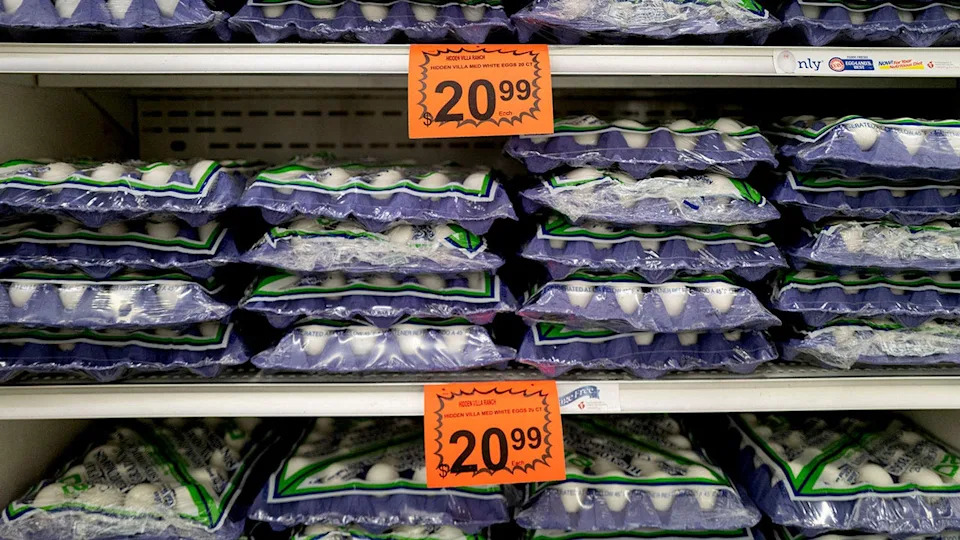
Eggs for sale at a grocery store in Los Angeles, Feb. 26, 2025.
The legislation comes after a volatile period for egg markets. Prices climbed late last year and into early 2024, peaking in some areas at more than $6 per dozen in March as outbreaks of avian influenza prompted widespread flock culls. When avian flu is detected on a farm, standard containment often includes culling affected flocks, which can sharply reduce domestic egg output and push prices higher.
Federal efforts to stabilize supply have included a USDA plan backed with about $1 billion for biosecurity, farmer assistance, vaccine research and increased imports. The sector also faced antitrust litigation this year and a federal challenge to California’s egg production rules, which Washington argued raised costs.
Recent USDA market data show egg prices have eased from spring highs. In the first week of December, the USDA’s egg markets overview reported broadly lower prices in many regions; for example, large white eggs averaged about $1.91 per dozen — roughly a 17% decline from earlier levels — although prices in some markets, including California, remained higher.
Implications: Supporters say the bill would reduce waste and relieve consumer prices by expanding the pool of eggs available to the food supply. Critics may raise food-safety and animal-health concerns or question whether regulatory changes alone will meaningfully alter retail prices. The FDA and USDA would play key roles in designing any safety protocols and implementation timeline if the bill advances.
Similar Articles

US Launches Review of Food Supply Chain, Signals Action Against Foreign Firms Over Price‑Fixing
The White House has launched a review of the US food supply chain and warned it may act against foreign firms accused of pric...

Should We Break Up "Big Beef"? How Market Concentration Has Amplified U.S. Beef Inflation
Market concentration in U.S. beef processing — dominated by Cargill, JBS, Tyson and National Beef — is a key amplifier of rec...

Thanksgiving 2025: Why Turkey Prices Are Soaring — and Smart Ways to Save
Thanksgiving 2025 turkey prices have jumped sharply — wholesale whole-turkey prices are about $1.68/lb, roughly 70% higher th...

Trump Unveils $12 Billion Farm Aid; Farmers Call It a Temporary Fix Amid Trade Uncertainty
President Trump announced a $12 billion one-time aid package for farmers hurt by low commodity prices and trade disruptions a...

Alabama Farmers To Receive Federal Relief — About $12B Earmarked For Row And Specialty Crops
President Trump announced a multibillion-dollar relief package for U.S. row-crop and specialty-crop farmers; Alabama official...

US to Announce Farmer Aid Payments and SNAP Reforms, Agriculture Secretary Says
The administration will soon detail payments to farmers affected by low crop prices and trade disruptions; a previously expec...

Turkey Shortage Drives Wholesale Prices Up — Retailers Pull Out Deals to Protect Thanksgiving Budgets
Avian diseases have shrunk the U.S. turkey flock to a four-decade low, driving an estimated 44% rise in wholesale turkey pric...

Trump To Announce $12 Billion Farm Relief Package Monday, Bloomberg Reports
The U.S. plans to unveil a $12 billion farm relief package Monday to support producers hit by low crop prices and tariff fall...

Trump Announces $12B Farm Aid As Illinois Growers Call It A 'Bridge' — Relief, Not A Cure
Illinois farmers, major producers of corn and soybeans, are facing revenue pressure after tariffs disrupted export markets. P...

East Tennessee Farmers Face Steep Losses as Trade War Squeezes Soybean Market
The University of Tennessee Institute of Agriculture warns Tennessee farmers could lose about $200 million this year as the U...

Thanksgiving Savings Mask a Bigger Food-Price Problem for Trump
Holiday promotions have pushed down headline prices on Thanksgiving staples — retail turkey is about 16% cheaper and some ret...

Trump Orders DOJ and FTC Task Forces To Probe Food Price-Fixing, Citing Consumer and National Security Risks
President Donald Trump signed an executive order directing the Justice Department and the Federal Trade Commission to form ta...

USDA Signs Six State Waivers Limiting Food Stamp Purchases; Pledges $700M For Regenerative Agriculture
U.S. Agriculture Secretary Brooke Rollins announced she signed six new state waivers that restrict which items can be bought ...

Trump Exempts Beef, Coffee, Bananas and Other Foods from Reciprocal Tariffs to Ease Grocery Costs
What happened: On Nov. 14, President Trump signed an executive order exempting many agricultural products — including beef, c...

U.S. Trade Rep Revises China Soybean Timeline, Cites Discrepancy With White House Fact Sheet
U.S. Trade Representative Jamieson Greer said the timeline for China to buy 12 million metric tons of U.S. soybeans was revis...