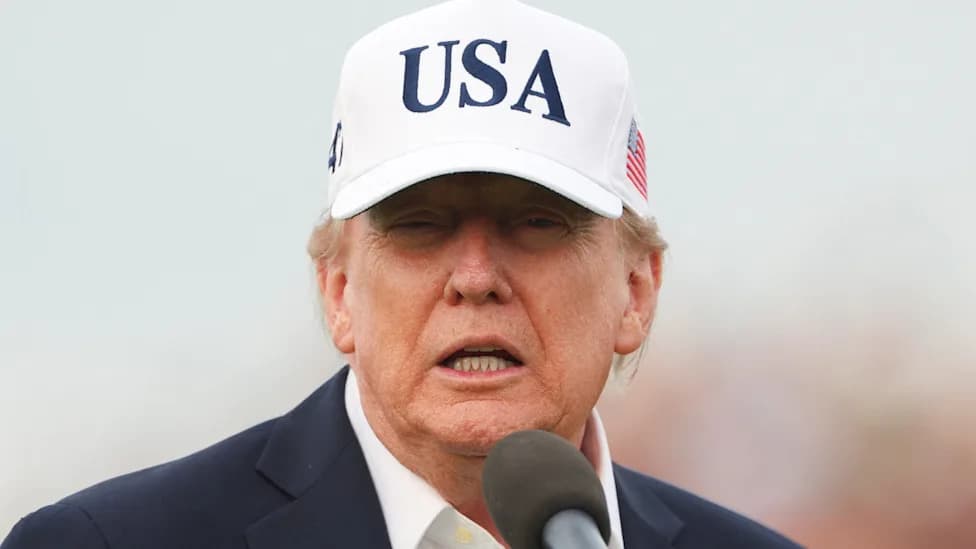
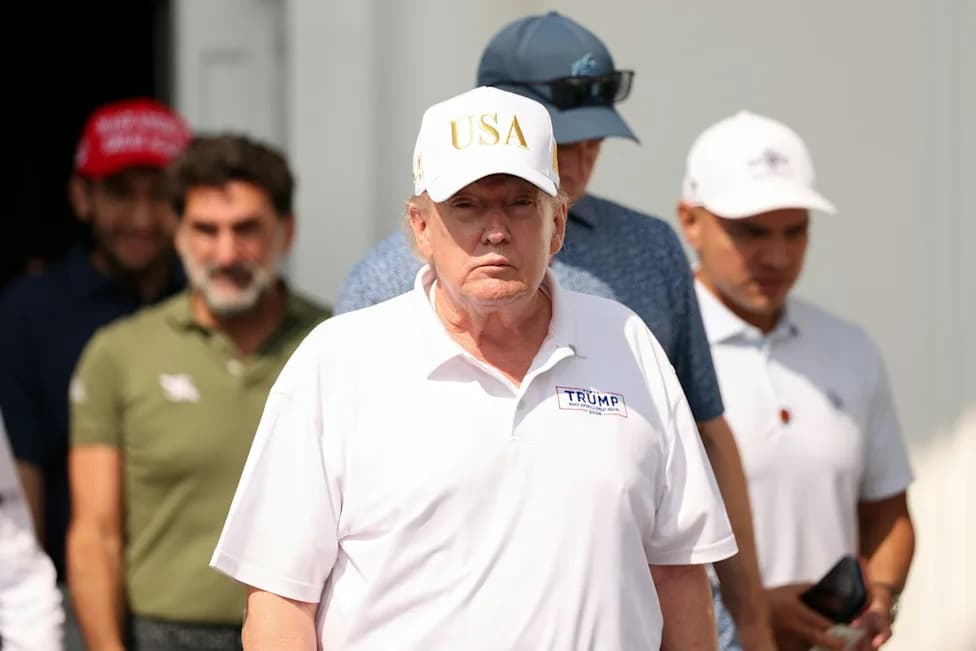
President Trump says he takes a 325 mg aspirin every day but admits he isn't sure it helps. The larger 325 mg dose is above the typical 81 mg low-dose tablet many heart patients use. Medical guidance now generally advises against starting daily aspirin for primary prevention in adults 60 and older because the bleeding risk often outweighs benefits. Aspirin remains recommended for secondary prevention but should be used based on individual cardiovascular and bleeding risk.
Trump Says He Takes 325 mg Aspirin Daily — Unsure If It Helps; Experts Warn Of Bleeding Risk
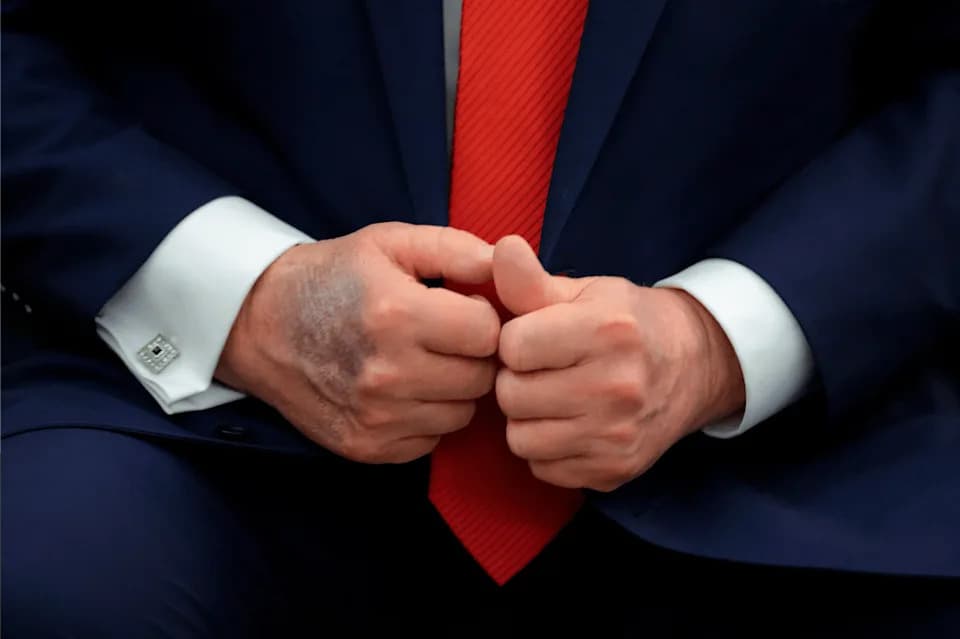
A bruise is visible on the back of U.S. President Donald Trump's right hand during a meeting with South Korean President Lee Jae-myung in the Oval Office at the White House on August 25, 2025 in Washington, DC.
President Donald Trump defended his long-standing habit of taking an aspirin every day, telling reporters that he continues the routine even though he is not certain it provides a health benefit.
“I take an aspirin a day. I don't know if it works, but psychologically, I need it,” Trump said. “I don't know if it works or not, but I've been doing it for a long time — and here I am.”
The comments add to a series of public statements about his aspirin use, which drew renewed attention after bruises appeared on his hands and prompted questions about his medication regimen and overall health.
What He Takes And Why
In interviews with The Wall Street Journal, Trump and his medical team acknowledged that he takes a full 325-milligram aspirin daily — a dose substantially higher than the commonly prescribed 81-milligram "low-dose" aspirin used by some heart patients. Trump told the WSJ he prefers the larger tablet because he has taken it for roughly 25 years and is "a little superstitious."
Trump's physician, Dr. Sean Barbabella, confirmed to the WSJ that the president takes 325 mg daily for what he described as "cardiac prevention." The White House has repeatedly cited aspirin use when addressing questions about bruising; Press Secretary Karoline Leavitt suggested the marks could be consistent with frequent handshaking, and the administration has pointed to aspirin as part of a cardiovascular prevention regimen.
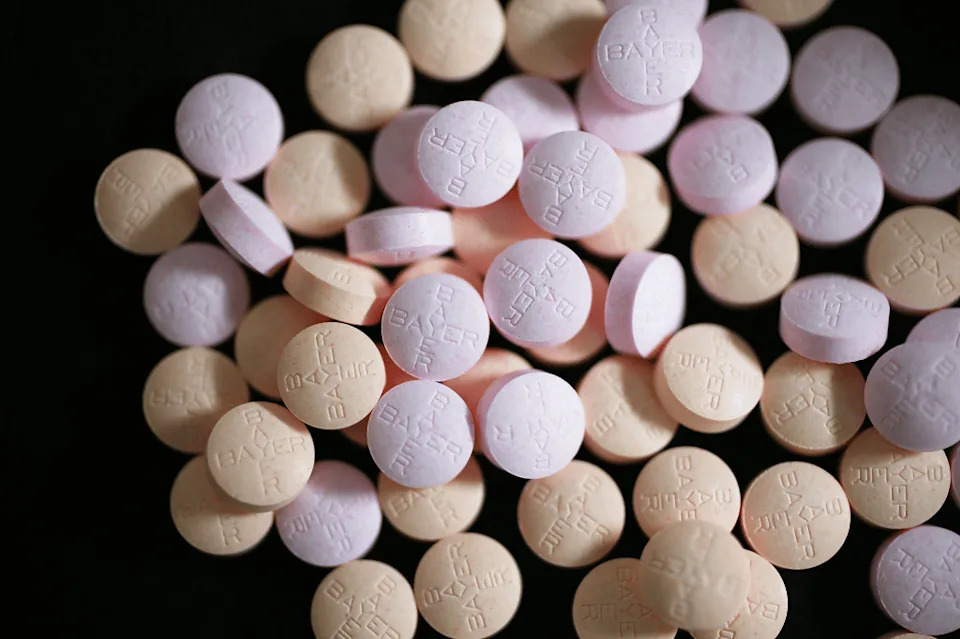
Bayer 81 mg asprin tablets are seen on April 12, 2016 in Miami, Florida.
Bruising, Makeup And Public Scrutiny
Trump has previously linked aspirin to visible bruising on his hands, saying the medication makes him bruise more easily and acknowledging he sometimes uses makeup to conceal marks. Photographs published by news outlets have shown bruises on his hands during public appearances, including a meeting in the Oval Office on August 25, 2025.
What Medical Experts Say
Aspirin reduces blood clotting by limiting the ability of platelets to stick together. For people who have already had a heart attack or stroke, aspirin is a proven tool for secondary prevention. But in recent years, guidance has shifted away from recommending daily aspirin for many older adults who have not had cardiovascular disease.
The U.S. Preventive Services Task Force recommends against starting daily aspirin to prevent a first heart attack or stroke in adults 60 and older because the bleeding risk often outweighs the potential benefit.
The Mayo Clinic and other medical authorities caution that daily aspirin therapy is not suitable for everyone and can cause serious side effects, including gastrointestinal bleeding. Decisions about whether to take aspirin — and what dose to take — should be made based on an individual's medical history, cardiovascular risk factors, and bleeding risk, in consultation with a clinician.
Context And Takeaway
At age 80 and as the oldest person inaugurated as U.S. president, Trump's health and medication choices continue to draw public attention. For most people, the key takeaway is that aspirin is not a one-size-fits-all preventive medicine: the benefits and risks depend on each person's clinical profile.
Newsweek has reached out to the White House for comment. Reporters noted that components of this story referenced interviews published by The Wall Street Journal and public statements from the White House and the president's medical team.
Help us improve.