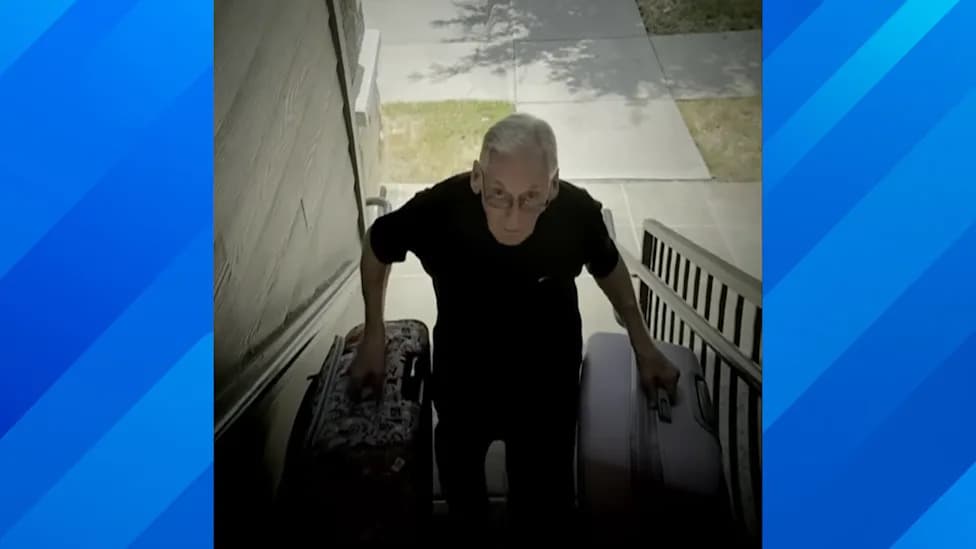
GoFundMe removed a popular fundraiser that had raised nearly $290,000 for an 81-year-old Texas man after the organizer admitted she had posed as a "concerned stranger." The organizer, identified as Erin H., told investigators she was actually the couple's daughter, a factual misrepresentation that violated GoFundMe's Terms of Service. The platform refunded donors and said the action was taken to protect trust in its crowdfunding marketplace. The incident has intensified scrutiny of vetting and fraud risks on online fundraising sites.
GoFundMe Pulls Nearly $290K Texas Fundraiser After Organizer Admits She Posed As 'Concerned Stranger'

Photo Credit: GoFundMe
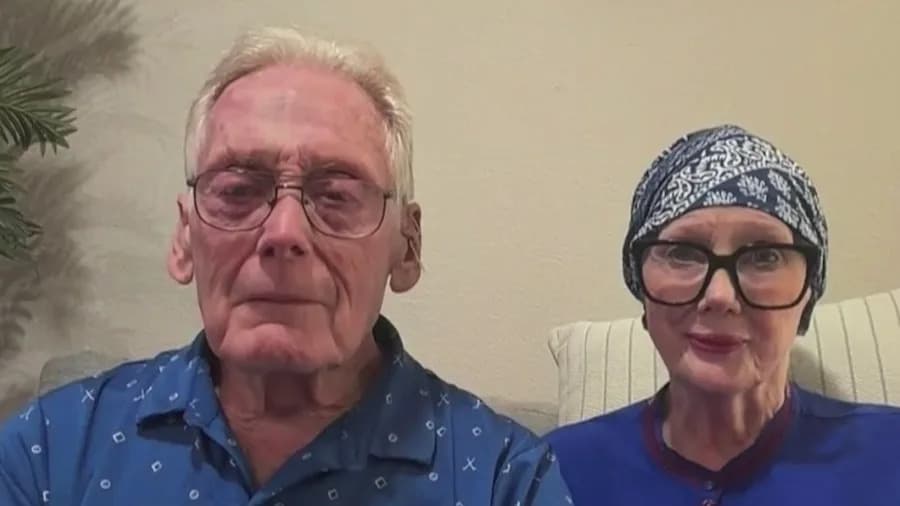
GoFundMe has removed a widely shared fundraiser that had raised nearly $290,000 for an 81-year-old Texas man after investigators discovered the campaign was promoted under false pretenses.
What Happened
The fundraiser, created to help Donald and Josephine Johnson with mounting medical bills, was taken down after the platform learned the organizer — who posted as a "concerned stranger" — was actually the couple's daughter. The campaign, which circulated widely online, had collected almost $290,000 before GoFundMe intervened, NBC News reported.
Posting under the name Erin H., the organizer said she initially encountered Donald Johnson struggling with luggage on a staircase and that her encounter led her to learn the family was struggling with his wife's cancer-related expenses. After GoFundMe received a tip suggesting the organizer had misrepresented her relationship to the family, investigators contacted her and she admitted the "concerned stranger" persona had been fabricated.
"Our Trust & Safety team identified factual misrepresentations, which directly violates our Terms of Service," GoFundMe told NBC News.
Platform Response and Wider Concerns
GoFundMe said it removed the page because the organizer misled donors about her relationship to the beneficiaries and that it refunded all donors to the campaign. The organizer maintained that the rest of the family's account was accurate, but the misrepresentation prompted the platform to act to protect donor trust.
The episode has renewed scrutiny of how crowdfunding sites vet campaigns and the potential for abuse. Similar controversies elsewhere include a Maine family that raised funds related to feeding wild deer for YouTube content and reports of scams exploiting disaster victims after California's Eaton Fire.
Why It Matters: The case highlights the tension between rapidly mobilized online generosity and the need for accurate information to preserve public trust in crowdfunding.
Help us improve.