
The 17-foot white oak dugout canoe discovered in Pewaukee Lake has been radiocarbon dated with a 70% probability of use between A.D. 992 and 1049, making it roughly 1,000 years old. Maritime archaeologists documented char and scrape marks that indicate traditional fire-and-scrape hollowing techniques. The vessel appears to have been intentionally sunk (cached) and will remain underwater at the request of Ho-Chunk leaders and under state protection to preserve the fragile wood.
Diver Finds 1,000-Year-Old White Oak Canoe in Pewaukee Lake
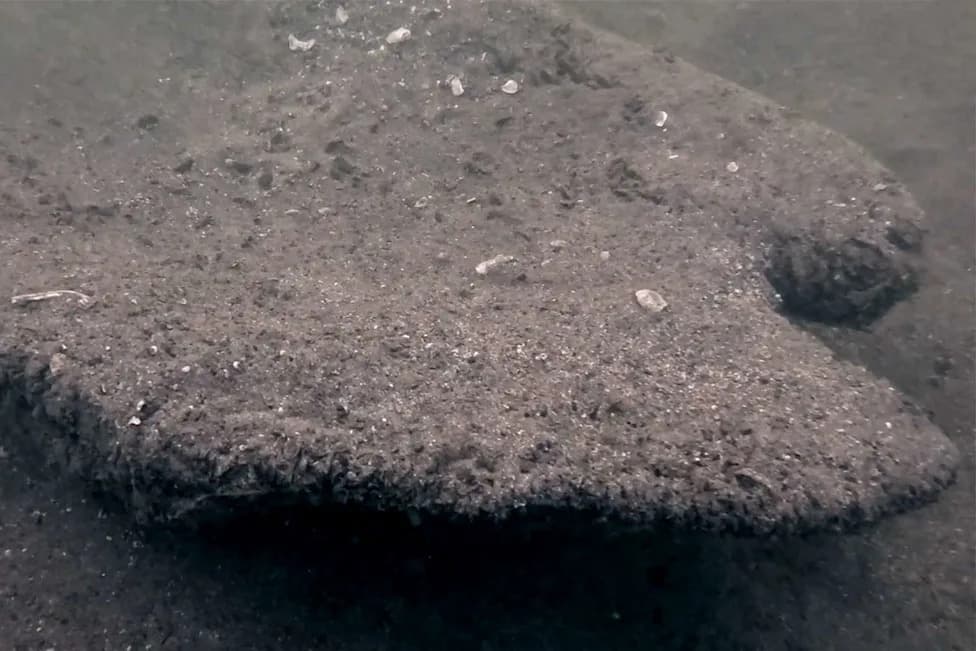
Dugout canoe found in Pewaukee Lake in southeastern Wisconsin by diver Mark SchachtnerCredit: Wisconsin Historical Society
A Wisconsin diver has uncovered a remarkably well-preserved dugout canoe on the bottom of Pewaukee Lake in southeastern Wisconsin. The 17-foot white oak vessel has been radiocarbon dated with a 70% probability of use between A.D. 992 and 1049, placing it at roughly 1,000 years old.
Discovery and Documentation
Mark Schachtner, a member of the Four Seasons Dive Club who routinely searches lakebeds for historic bottles, spotted the canoe during a dive in early May. Within days maritime archaeologist Tamara Thomsen of the Wisconsin Historical Society arrived to document the find. Thomsen photographed and videoed the hull, took measurements and collected small wood samples — all without raising the canoe from the lakebed.
Evidence of Traditional Craftsmanship
Researchers recorded char marks on the hull and scraping traces consistent with stone or shell tools. These marks align with traditional dugout construction techniques in which craftsmen use controlled burning to hollow a log and then refine the shape with scraping tools.
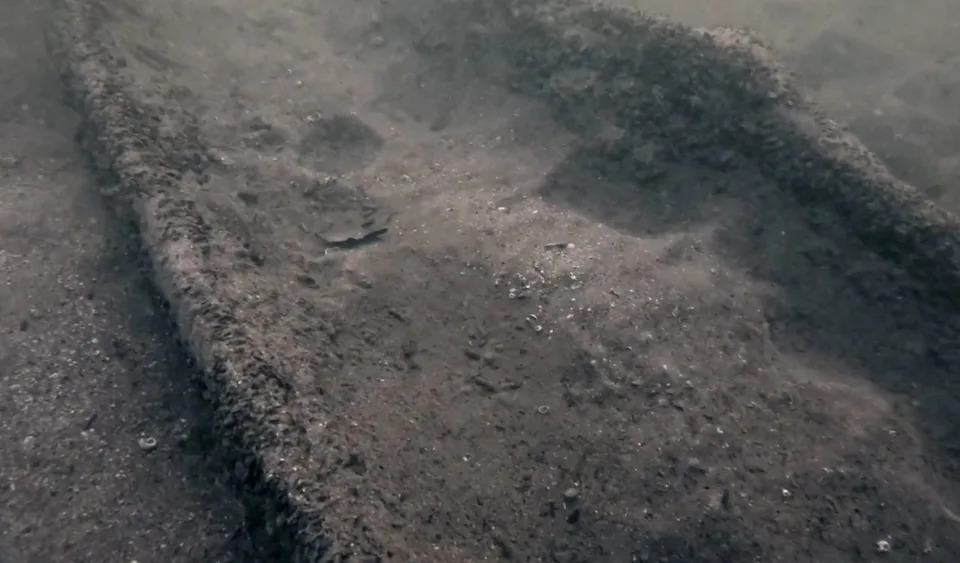
Dugout canoe found in Pewaukee Lake in southeastern Wisconsin by diver Mark SchachtnerCredit: Wisconsin Historical Society
"I found a fossil once in one of the other lakes … but this is the oldest manmade thing I've ever found," Schachtner said.
Why It Was Left In Place
The canoe sits intact on the lake bottom and is filled with sediment, a pattern maritime archaeologists recognize as a classic example of a cached or intentionally sunk canoe. Indigenous peoples sometimes submerged canoes for storage, allowing sediment to settle until they returned to recover and reuse them.
Leaders of the Ho-Chunk Nation, whose traditional territory includes Pewaukee Lake, expressed their desire for the canoe to remain undisturbed. The Wisconsin Historical Society and state law support leaving such protected submerged sites in place. Conserving ancient, waterlogged wood requires specialized treatment; exposing the canoe to air could cause rapid deterioration.
Context and Significance
The find adds to about 130 dugout canoes known from Wisconsin lakes and collections; state archaeologists and volunteers have examined 88 of those vessels. While impressive, the Pewaukee canoe is not the region's oldest—an earlier dugout from Lake Mendota is dated to roughly 5,200 years ago. The Pewaukee canoe is associated with the Late Woodland period, when canoes were used for travel and everyday tasks such as hauling fishing gear.
For now, the 17-foot white oak canoe will remain on the lake floor where it was found — both as a protected archaeological resource and as a tangible connection to the people who lived in the region a millennium ago.
Help us improve.





















