The UK–Mauritius treaty of 22 May 2025 would transfer sovereignty of the Chagos archipelago to Mauritius while allowing the UK to retain rights over the Diego Garcia base for 99 years, and would permit Chagossian resettlement on islands other than Diego Garcia. Implementation has stalled amid US opposition and missed UK parliamentary deadlines, raising fears that elderly Chagossians may never return. The dispute highlights international legal rulings favoring Mauritius, divisions within the diaspora, and wider strategic concerns about the US military presence.
Chagos Deal Stalls — Elderly Chagossians Fear They May Never Return Home
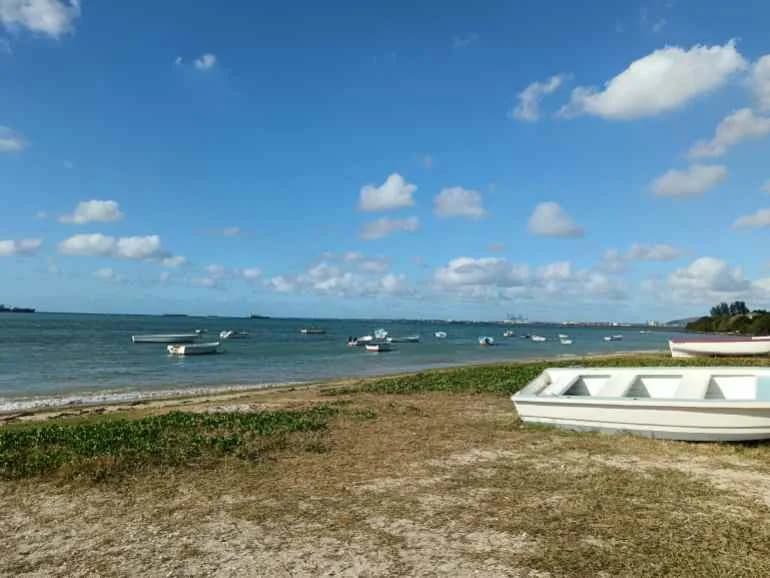
Pointe aux Sables, a coastal village in Mauritius where many Chagossians live [Ameerah Arjanee/Al Jazeera]
Pointe aux Sables, Mauritius — At one funeral, members of the Chagos Refugees Group scattered sand from the islands into an elder's grave so he could be buried with a piece of his homeland, recalls Olivier Bancoult. For many elderly Chagossians uprooted decades ago, the delay in implementing a treaty meant to enable their return has deepened the fear that they will never see the islands again.
Background
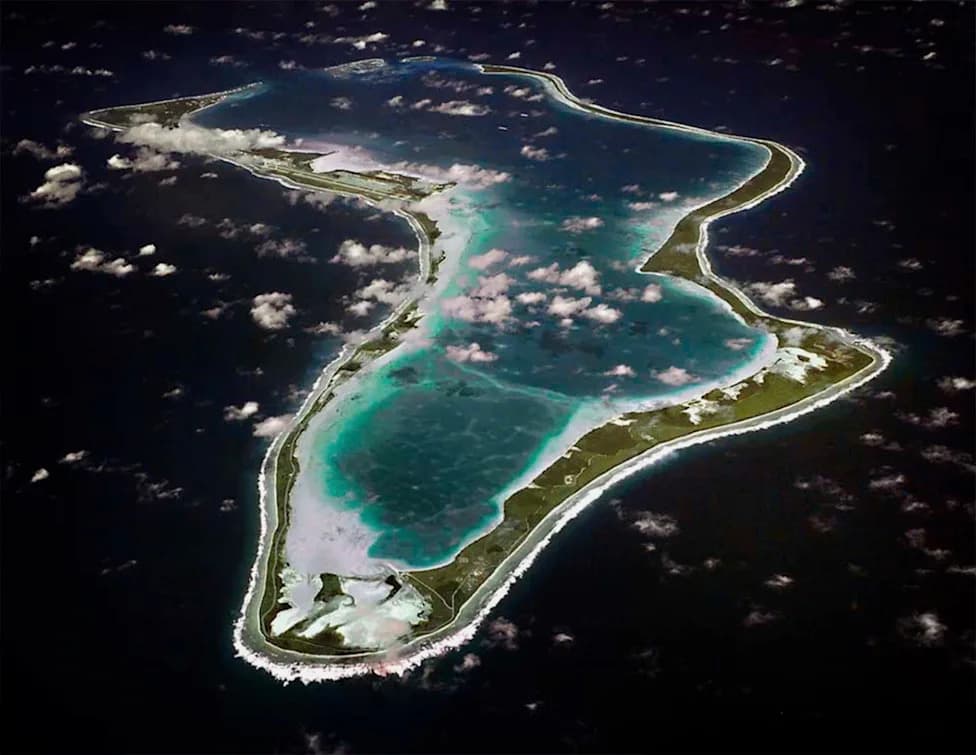
The Chagos archipelago was separated from Mauritius by Britain in 1965, three years before Mauritius gained independence. Between 1968 and 1973 British authorities removed an estimated 1,400 to 1,700 Chagossians from the islands; many were resettled in Mauritius and the Seychelles, and others later moved to the United Kingdom. Returning to or remaining on the islands without permission was made illegal.
Treaty, Legal Rulings and the Hold-Up
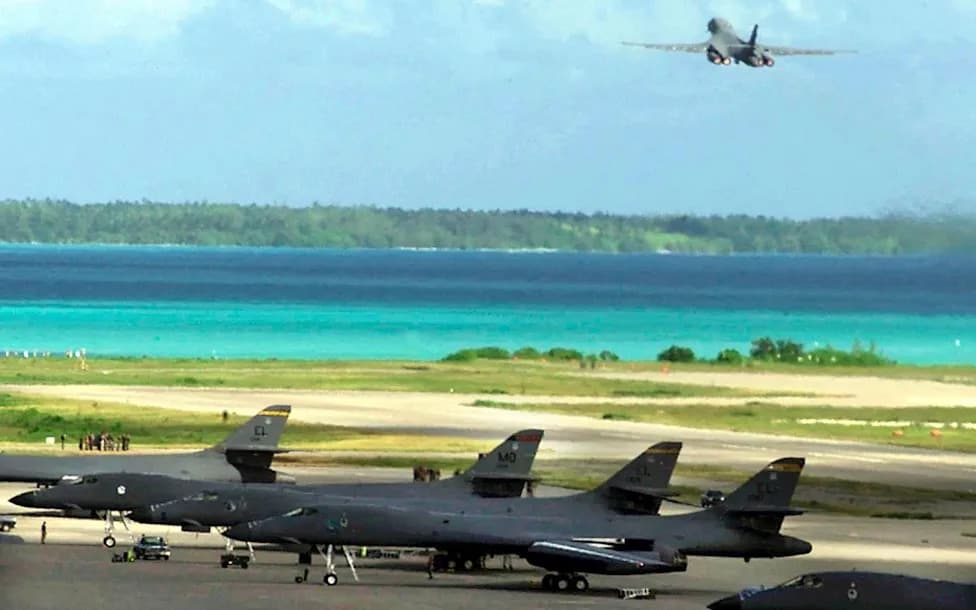
On 22 May 2025 the UK and Mauritius signed a treaty that would transfer sovereignty over the Chagos archipelago to Mauritius while allowing the UK to retain rights over the Diego Garcia military base for an initial 99-year period. The agreement also permits Mauritius to organise the resettlement of Chagossians on islands other than Diego Garcia. Despite the signature, the treaty has not entered into force.
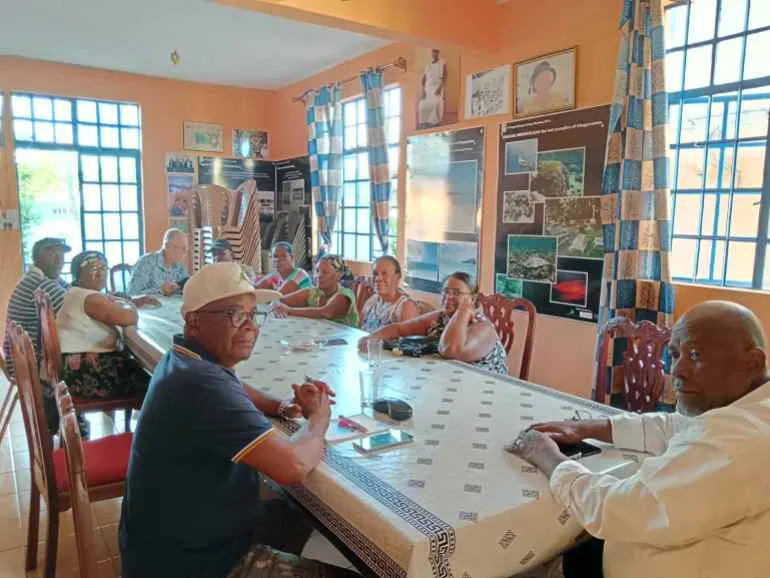
Members of the Chagos Refugees Group, all born on the Chagos archipelago, in Pointe aux Sables, Mauritius [Ameerah Arjanee/Al Jazeera]
Mauritian and Chagossian officials point to international rulings that support their position: the 2019 International Court of Justice advisory opinion and a 2021 judgement from the International Tribunal for the Law of the Sea. Yet implementation has been stalled by political resistance in Washington — notably from US President Donald Trump — and by timing in the UK Parliament. In April the UK government told Parliament that the implementing legislation could not complete passage during the 2024–26 session; that session ended on 29 April 2026, and the bill made no further progress.
Human Cost: Time Is Running Out
"Chagossians born on the archipelago are now aged between 58 and 100. We are growing old, and we have lost several Chagossian elders this year alone," Bancoult says. For many activists the urgency is practical: will elders live long enough to return if and when resettlement begins?
Younger diaspora members worry about cultural erosion. Chrisyl Wong-Hang-Sun, an anthropologist, says long-term displacement has made it harder to preserve Chagossian Creole words, recipes and other cultural practices; descendants say they long to visit the islands of their ancestors.
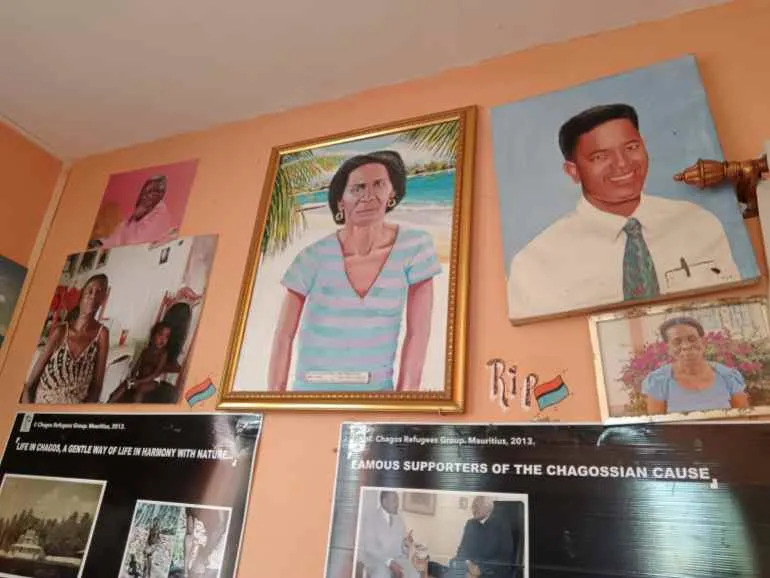
Portraits of native Chagossians who have passed away hang on the walls of the Chagos Refugees Group headquarters [Ameerah Arjanee/Al Jazeera]
Politics, Divisions and Diplomacy
The dispute has exposed divisions within the Chagossian community. The Chagos Refugees Group — made up largely of people born on the islands — favours resettlement under Mauritian sovereignty, while some UK-based second-generation activists, led by Misley Mandarin, prefer a British-led settlement and have received support from Reform UK. Observers urge both governments to engage the full diaspora and recognise its differing views.
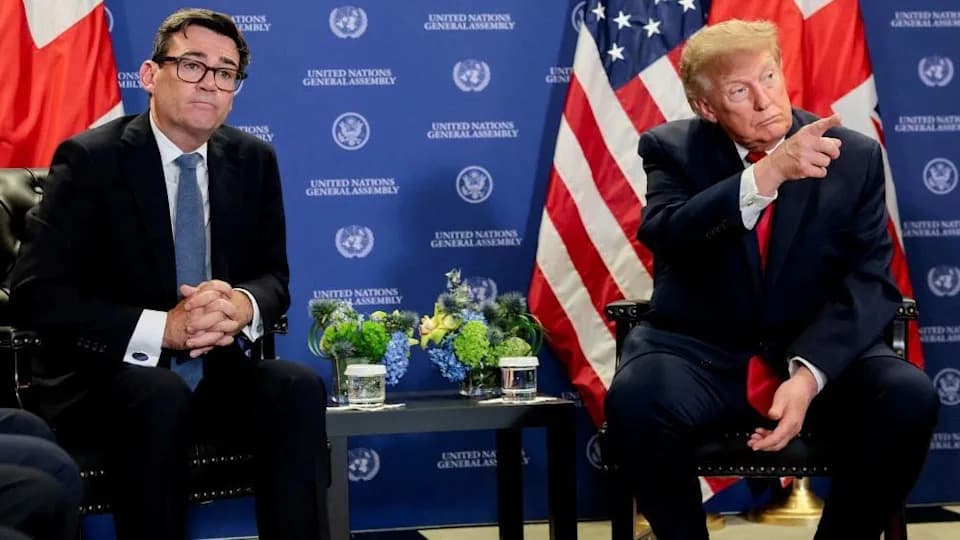
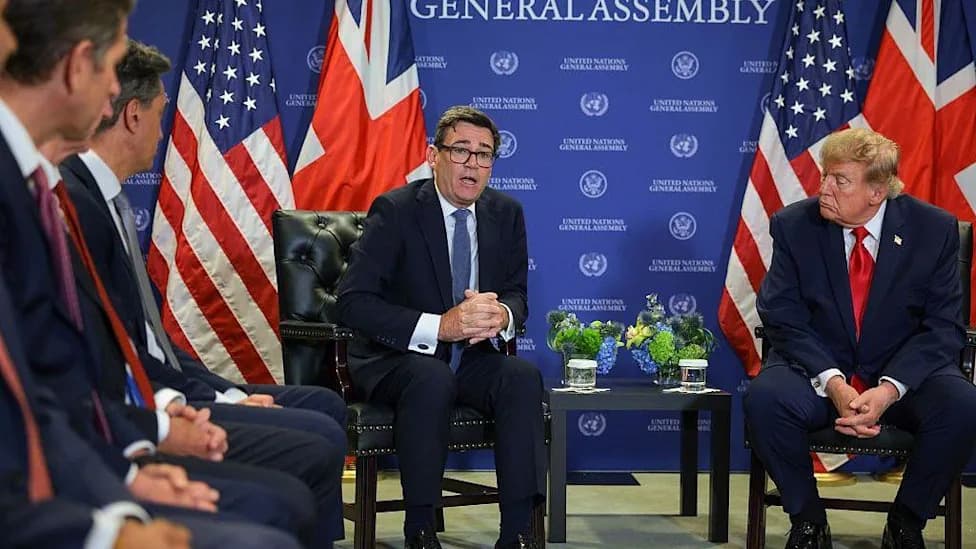
Mauritius has kept details of recent discussions private but maintains that sovereignty is "non-negotiable". In September British Prime Minister Andy Burnham said the UK would work with Mauritius and the US to secure Diego Garcia operations while protecting national security. Mauritian Prime Minister Navin Ramgoolam travelled to London for high-level talks later that month.
Strategic Concerns Over Diego Garcia
Diego Garcia is the most contentious element. Campaigners such as the Mauritian group Lalit oppose continued military use of the island, warning that hosting a foreign base could expose Mauritius to strategic risks. Others argue the treaty could give Mauritius leverage to shape how Diego Garcia is used; international relations consultant Bruno Donat urges sustained diplomatic engagement with partners — including the African Union, small island states and sympathetic members of the US Congress — to keep pressure on Washington and prevent indefinite delay.
Looking Ahead
While legal victories bolster the moral and legal claims of Mauritius and the Chagossian community, practical implementation remains uncertain. For critics, the question is whether geopolitical and security concerns will continue to supersede the rights and urgent needs of displaced elders. "We are opposed to war, ethically, but we are also running out of time," Bancoult says. The Chagos Refugees Group hopes to celebrate the 101st birthday of one of its members soon; their plea is simple and urgent — let our elders return while they still can.
Help us improve.