
Myrmecina graminicola, the woodlouse ant, can deliberately curl into a tight ball and roll away from threats rather than only freezing or running. This intentional escape works best on loose, moist leaf litter and fine soil at least two inches deep and often begins with a push from the ant's legs and antennae. Rolling is faster and more energy-efficient than running over short distances; ants typically uncurl and resume normal activity within seconds to a minute while remaining alert.
Tiny Woodlouse Ant Rolls Like a Pinball to Escape Predators
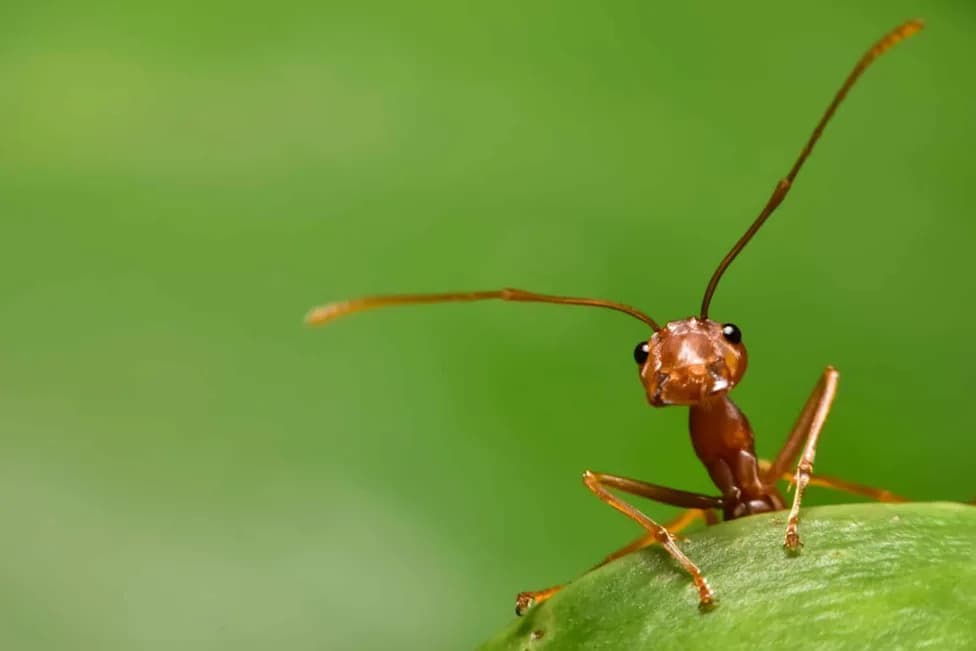
red ant in the nature.© Maytee Laohamaytee/Shutterstock.com
Sometimes the smartest defense is not to fight but to get away. Researchers have documented a striking escape tactic used by the tiny woodlouse ant, Myrmecina graminicola: when threatened, individuals can deliberately curl into a compact ball and roll away from danger.
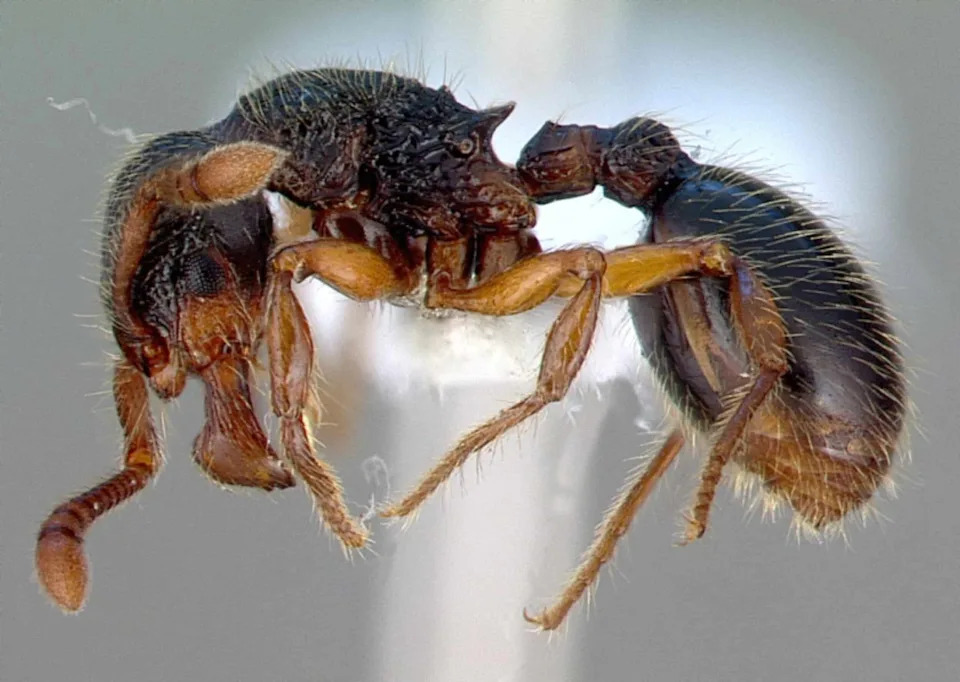
Myrmecina graminicolacan tuck itself into a ball to roll away from danger.©© AntWeb.org / CC-BY-SA-3.0 –Original/License
Where These Ants Live
The species is found across Northern Africa, Europe and Asia. At roughly three millimetres long, these ants are cryptic and hard to spot, which helps explain why their rolling behaviour has only recently been described in detail.
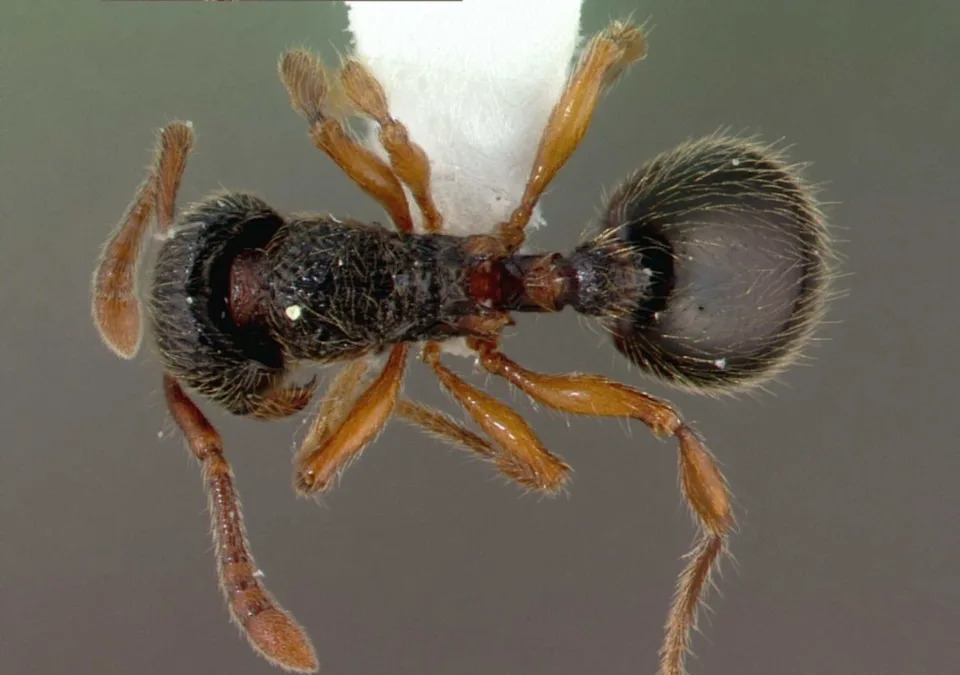
Only under certain circumstances do ants tuck themselves into balls to roll away. Falling is not one of those circumstances.©attribution⧽ (required by the license) © AntWeb.org / CC-BY-SA-3.0 –Original/License
How the Rolling Works
Rolling is an active, intentional escape strategy rather than an accidental tumble. When conditions are right, an ant tucks its antennae and legs tightly against its body to form a ball, then gives itself a strong push using its antennae and legs. Gravity and momentum carry the ant downhill; during the roll, legs sometimes protrude briefly to add extra thrust with quick pushes.
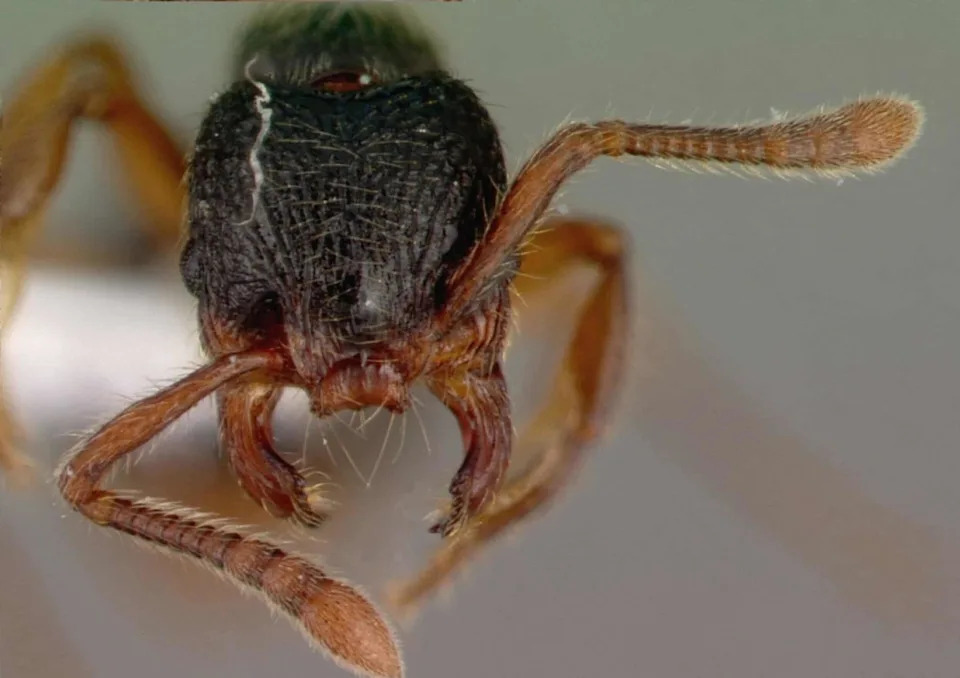
Rolling can get ants out of danger because it is more streamlined and has less drag to slow them down.©© AntWeb.org / CC-BY-SA-3.0 –Original/License
When and Where They Use It
The ants do not roll in every situation. Typical initial reactions to threats are freezing or walking away, but rolling is triggered by specific stimuli and terrain. The ants select substrates that allow efficient rolling: a loose mix of fine soil and decomposing broadleaf leaf litter (more than about two inches deep), moist but not waterlogged, and not compacted. Hard, dry or smooth surfaces prevent effective rolling, so on those surfaces the ants usually freeze or run instead.
Advantages and Limits
Rolling is faster and more energy-efficient than running over short distances: forming a ball reduces drag and streamlines the body, gravity assists motion, and each leg or antenna push adds momentum. However, rolling is a short-distance escape tactic—it helps the ant quickly put distance between itself and an immediate threat, not to travel long distances.
Recovery and Behavior After Rolling
After the roll, ants rapidly uncurl and return to a horizontal, walking posture. Recovery is quick—typically a few seconds to about a minute—though ants may remain in a heightened state of vigilance until they are sure the threat has passed. Researchers report no obvious physical harm from rolling; it appears to be an evolved, adaptive behaviour.
Why It Matters
This discovery highlights a creative and highly specialised defense strategy and illustrates how body shape, behaviour and habitat interact to produce effective escape responses in very small animals. It also suggests new questions about the evolution of locomotion and predator avoidance in ants and other minute arthropods.
Help us improve.





















