The New York Times analysis finds Vice President JD Vance's claim of uncovering $250 billion in fraud rests on contested accounting and preexisting estimates. The White House ledger counts activity back to January 2025, includes SBA figures drawn from a 2023 pandemic-era assessment, and lists amounts not yet recovered. Experts say the totals mix older cases and estimates, and independent verification is lacking.
New Analysis: JD Vance’s $250 Billion Fraud Claim Relies On Contested Accounting
Jeff Swensen/Getty Images
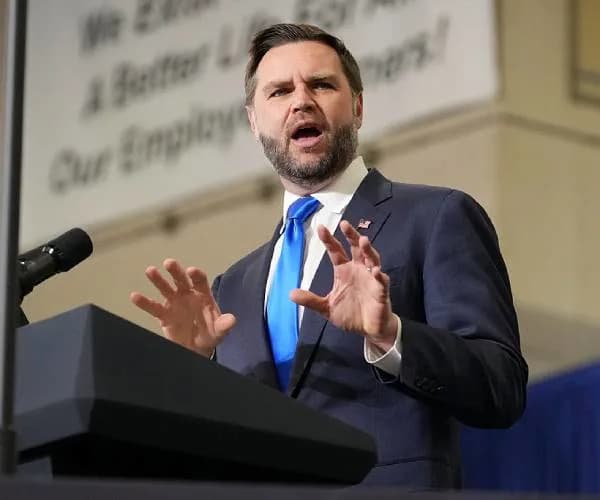
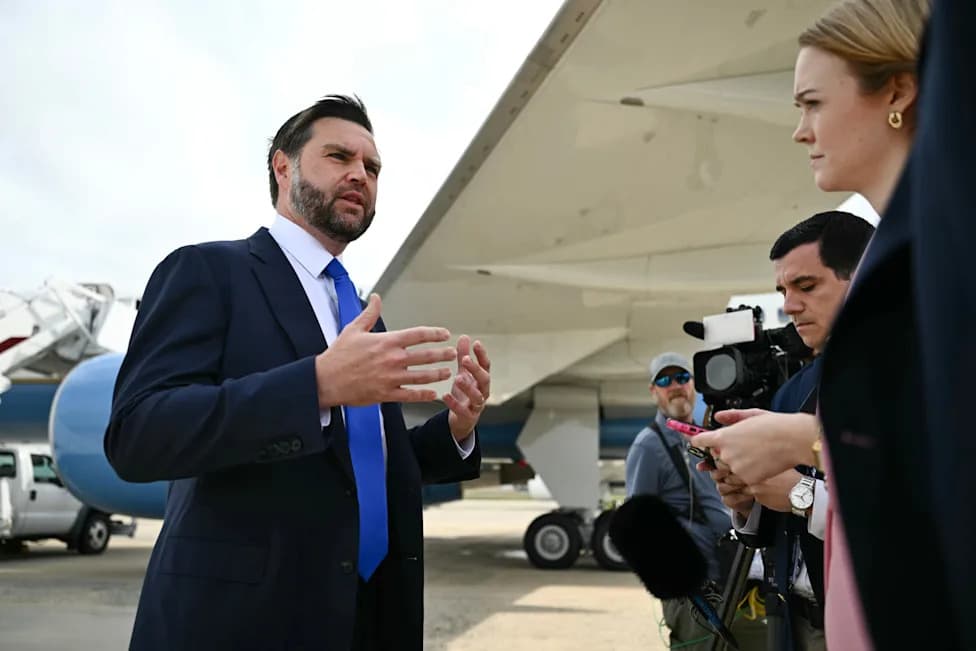
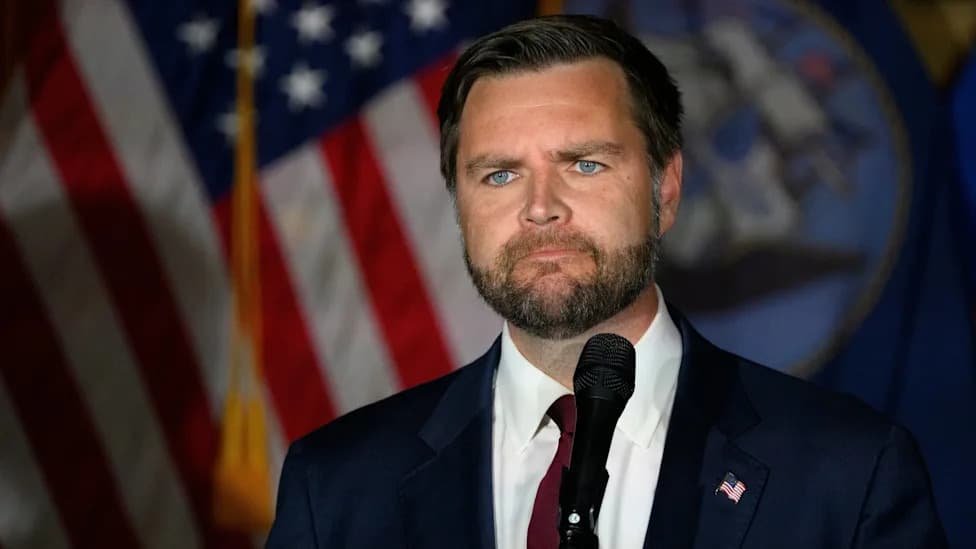
New reporting by The New York Times raises serious questions about Vice President JD Vance’s claim that the White House task force he leads uncovered $250 billion in fraud “in just a few months.” The administration’s ledger combines estimated losses, older investigations and amounts not actually recovered, producing headline totals that are difficult for outside observers to verify.
What The Times Found
The White House presented a ledger listing $245.7 billion as "uncovered," $62.9 billion as "stopped" annually, and $59.1 billion as "enforced" through charges, settlements and penalties. But the Times analysis found key problems with how those figures were compiled:
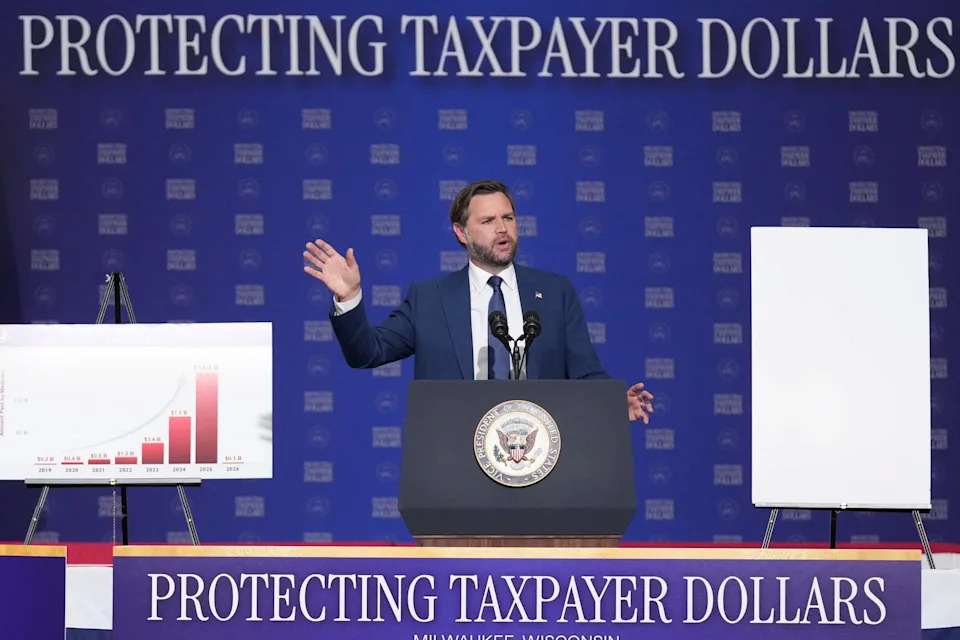
Vance loves to talk about his fight against fraud, though the amounts he claims the Trump administration has recovered have been undermined by the Times. / Mark Schiefelbein / via REUTERS
- The ledger counts activity back to January 2025, not only since the task force’s creation in March 2026, so many cases predate Vance’s appointment.
- Roughly half of the $245.7 billion is tied to the Small Business Administration (SBA) and traces back to a 2023 assessment of pandemic-era programs that produced broad estimates of potentially fraudulent loans, not confirmed recoveries.
- Some highlighted Justice Department results — more than $340 million touted by the White House — included nearly $280 million from prosecutions that began and were pursued before the task force existed.
- High-profile examples, such as a reported $250 million Minnesota pandemic food-aid fraud case, were investigated and charged in 2022, during the previous administration.
Recovered Versus Counted
The Times also reported that parts of the ledger count money the government has not actually recovered. Of the $59.1 billion the administration lists as "fraud enforced," more than a third is linked to $22.6 billion attributed to the SBA — largely delinquent pandemic loans referred to collections rather than funds successfully clawed back. Another $2.5 billion listed as Medicaid savings reflects temporary federal reimbursements withheld from California and Minnesota; the Department of Health and Human Services says those deferrals can be reversed once states provide required documentation.
Experts Urge Caution
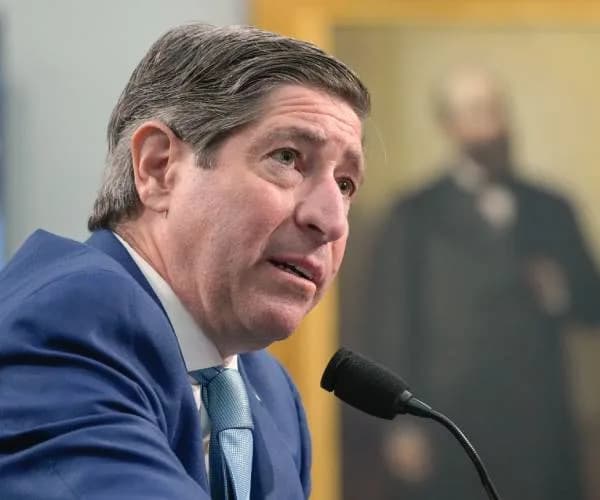
"A sleight of hand," said former Interior Department inspector general Mark Greenblatt, referring to the practice of presenting older work as if it occurred under the task force. Former Comptroller General David Walker called the headline totals "assertions that have not been validated by independent parties."
Independent estimates underscore the difficulty of pinning down annual federal losses from fraud: the nonpartisan Government Accountability Office estimates improper payments and fraud at between $233 billion and $521 billion annually — a wide range that analysts say reflects different methodologies and definitions.
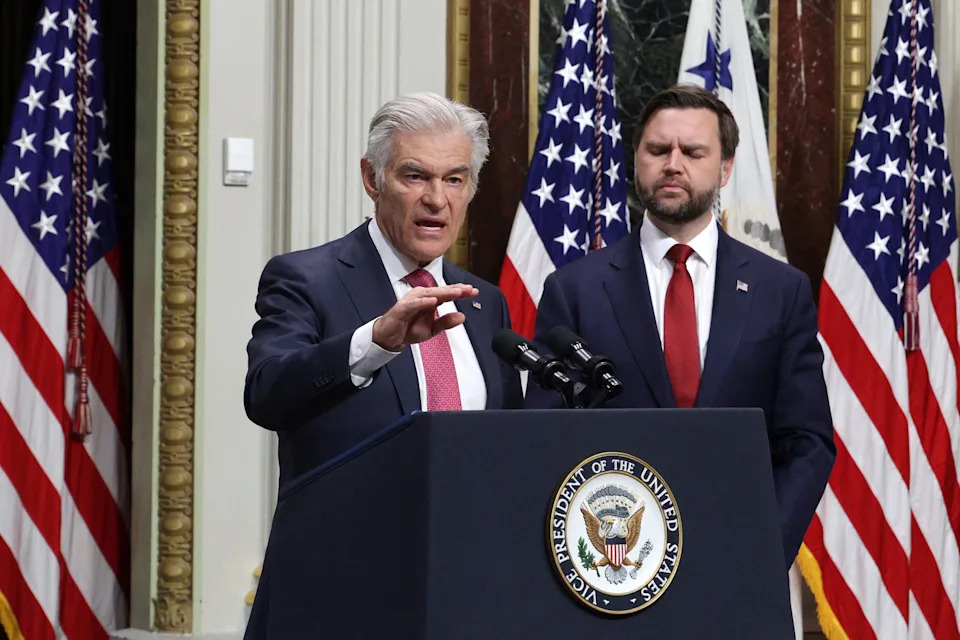
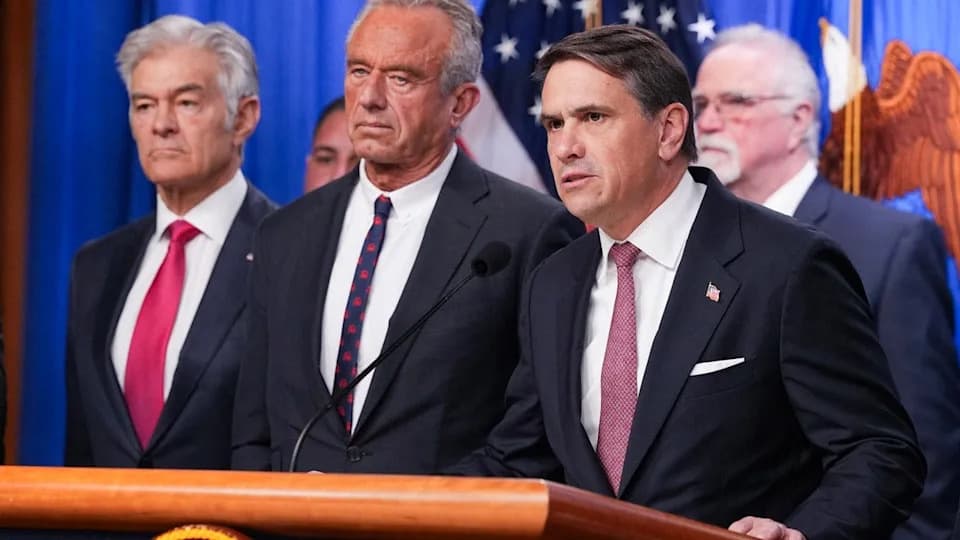
Administrator for the Centers for Medicare & Medicaid Services Mehmet Oz said the Trump administration would temporarily halt $259 million in Medicaid reimbursements to Minnesota. / Alex Wong/Getty Images
White House Response And Transparency Concerns
The administration maintains it has "uncovered" large sums but has not released a detailed, line-by-line accounting that would allow independent verification. A senior White House official told the Times that revealing specifics could interfere with ongoing law-enforcement investigations. The lack of transparent, verifiable documentation — combined with reliance on prior estimates and older cases — is at the heart of the reporting that questions the administration’s public claims.
The Daily Beast and other outlets have sought comment from the White House and Vice President Vance. The debate highlights both intensified federal efforts to detect fraud and the importance of clear, independently verifiable accounting when administrations tout large recovery totals.
Help us improve.