Anand Giridharadas says Jordan Neely’s death reflects the political emotions of the Trump era. In Man in the Mirror, the author traces how Neely’s May 2023 chokehold death by Daniel Penny and the ensuing acquittal tie into fear, dehumanizing rhetoric, and suburban perceptions of urban danger. Giridharadas highlights Penny’s background, the language used in police interviews, and how the case was later politicized by the right.
The Subway Chokehold That Echoes the Trump Era: Anand Giridharadas on Jordan Neely
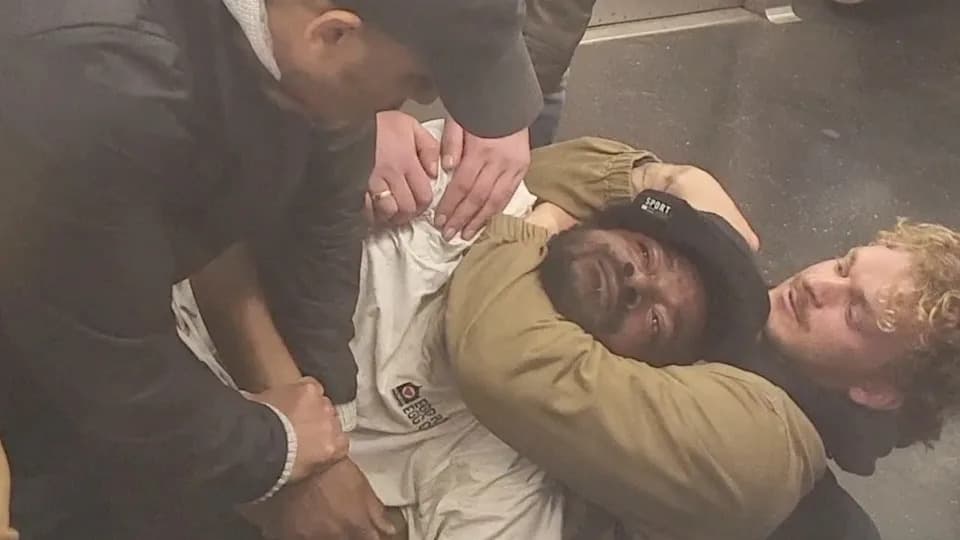
Jordan Neely was placed in a six-minute chokehold by Daniel Penny and died shortly after. / Juan Alberto Vasquez via Reuters
Author Anand Giridharadas argues that the consequences of the Trump era can be seen in a New York City subway car where Jordan Neely was placed in a chokehold by Daniel Penny. Speaking on The Daily Beast Podcast, Giridharadas described the episode as emblematic of “everything in America” after Donald Trump’s first term.
Giridharadas spent three years reporting and writing Man in the Mirror, which traces the events that culminated in Neely’s death in May 2023 and follows the subsequent criminal trial that ended with a jury acquitting Penny of all charges. The book and the podcast conversation place the incident in a broader context of fear, disorder, and dehumanizing political language.
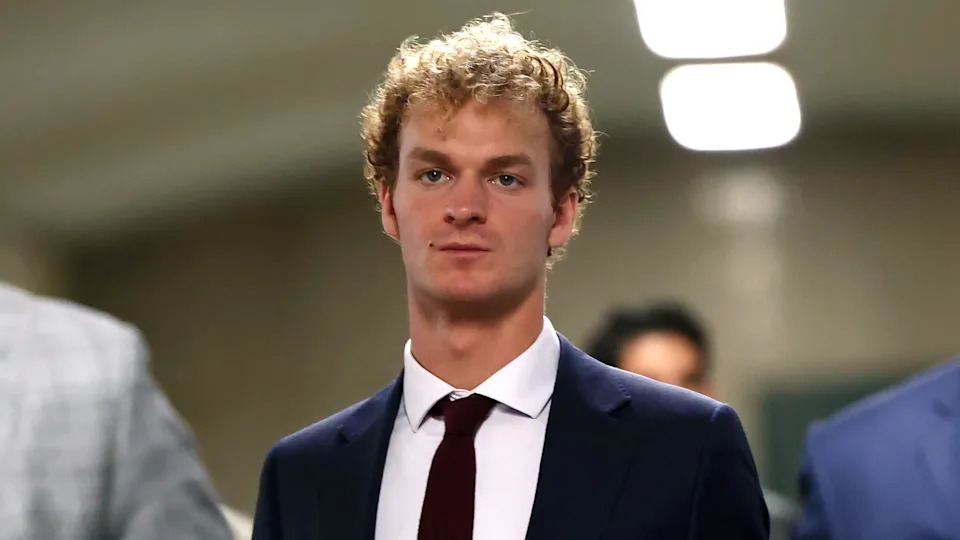
A jury aquitted Penny. / Michael M. Santiago / Getty Images
“This is about fear and disorder and safety, and in some ways, the kind of inner life of an authoritarian age,” Giridharadas told host Joanna Coles. “The kind of political emotions of the Trump era that we've been living in.”
Jordan Neely, 30, was a Black man who was homeless and diagnosed with schizophrenia. He worked as a street performer and a Michael Jackson impersonator. In May 2023, Daniel Penny, then a 24‑year‑old former Marine from West Islip, Long Island, placed Neely in a chokehold on a subway car that lasted approximately six minutes. Witnesses testified that Neely said, “someone is going to die today,” but none testified that he physically attacked or advanced on another passenger.
Giridharadas emphasized Penny’s upbringing and the cultural environment that shaped him. He described West Islip as a largely white, middle‑class suburb where local media and community narratives often portrayed New York City as dangerous—an image that can influence how people perceive and react to perceived threats.
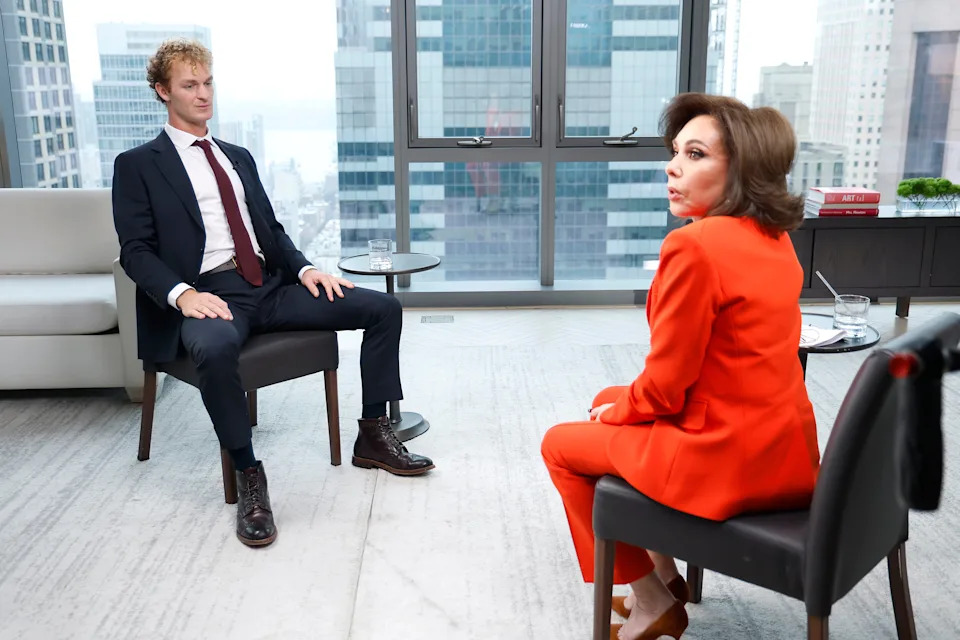
The author also pointed to language Penny used during an interview with NYPD detectives, noting repeated references to Neely with terms like “crackhead.” Giridharadas and other social scientists have highlighted how such “animalistic” or dehumanizing language can reflect and reinforce broader political and cultural attitudes.
Penny’s case later became a cause célèbre for some on the political right. In 2024 he attended the Army‑Navy game in Landover, Maryland, as a guest of Vice President JD Vance and was photographed with then–president‑elect Donald Trump and Vance. In a December 2024 post on X, Vance defended Penny and praised his perceived courage.
A White House spokesperson did not immediately respond to requests for comment on Giridharadas’ characterization. The episode, the trial, and the public reaction continue to spark debate about public safety, race, mental health, and the tone of political discourse in the United States.
Help us improve.