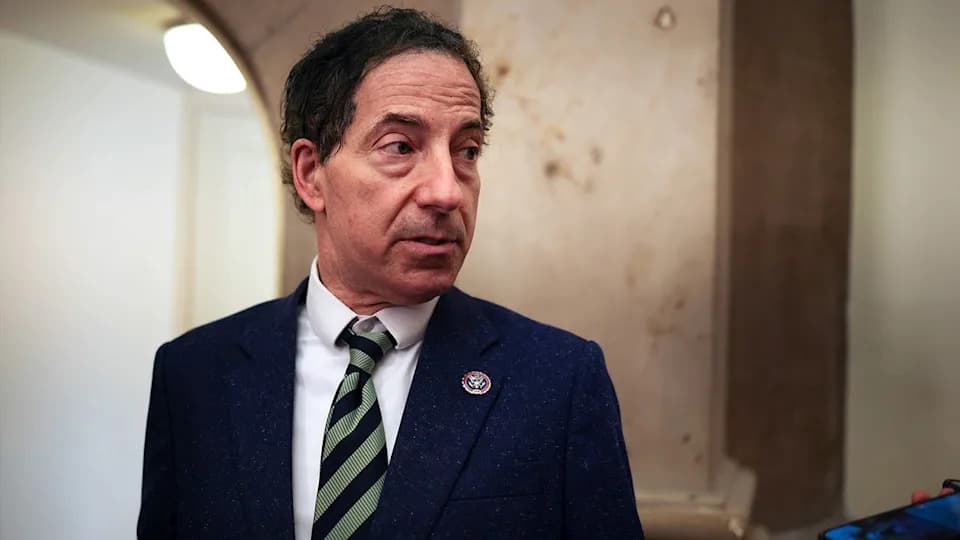
Hasan Piker is a 35-year-old streamer whose outspoken, long-form broadcasts have made him a focal point in the 2026 midterm politics. Republicans and some Democrats use his past remarks in campaign attacks, yet polls show a majority of voters in key battlegrounds do not know him. His audience is influential in primaries but limited in broader general-election reach, illustrating how online personalities can be potent yet niche political actors.
Why Hasan Piker Has Become a Midterms Lightning Rod — And Why Many Voters Aren't Listening
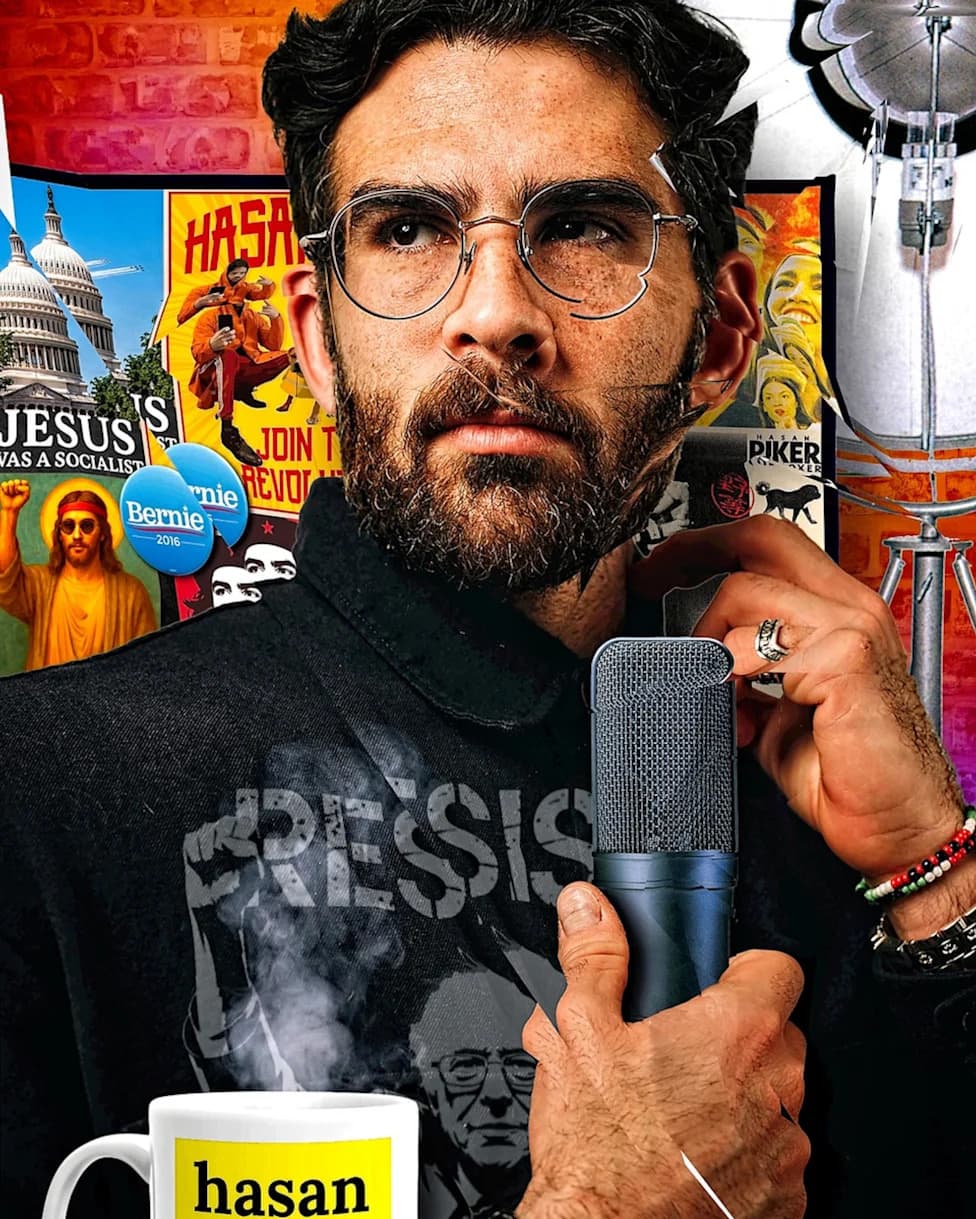
Piker's sometimes controversial statements have made him a punching bag for the right.Illustration: Eddie Guy/The Guardian
It's mid-morning in West Hollywood and another media firestorm has ignited around Hasan Piker, a 35-year-old left-leaning streamer whose unfiltered, long-form broadcasts have attracted millions of online followers and repeated political controversy.
Background And Reach
Born in New Jersey and raised largely in Turkey, Piker studied at Rutgers University and began his media career at The Young Turks, a progressive outlet co-founded by his uncle Cenk Uygur. He launched his Twitch channel in 2018 and eventually left the network to build his own platforms. Today he claims roughly 3 million Twitch followers and nearly 2 million followers each on YouTube and X.
Controversies That Follow
Controversial comments have trailed Piker across his career. Notable examples include a 2019 remark—later called "inappropriate" by Piker—that "America deserved 9/11," and recent on-air comments in which he argued, when asked if the US was worse than al-Qaida, that "pound for pound, as far as the number of deaths, yes," adding that "we have caused tremendous terror all around the world." Another streamed comment warning that perceived U.S. support for Israel could provoke backlash against American Jews drew fresh condemnation and became a talking point in Democratic primaries.
Political Fallout And How He Is Used
Republicans have seized on Piker as a symbol to attack Democrats, featuring him in campaign ads, invoking him at party events and trying to tie him to candidates they oppose—even when the relationship is tenuous or historic. Moderate Democrats have also used him as a proxy in intra-party fights with the left. Some Democratic figures and party officials have publicly distanced themselves from Piker, while conservative media often portrays him as emblematic of an extreme left.
Real Influence Versus Perception
Despite heavy coverage, many voters remain unaware or indifferent. A New York Times/Siena poll in mid-September found 62% of likely voters across three Senate battleground states did not recognize his name; in Michigan that figure was 54%. Local reporting found similar results: Piker's influence is concentrated among a dedicated, typically younger audience that can boost candidates in primaries, but he is not broadly top-of-mind for most general-election voters.
How Piker Sees It
Piker argues the partisan focus on him is strategic: it diverts attention from policy debates and serves as a rehearsal to discredit the broader left. He says he has tried to moderate his tone during the election season and is not actively campaigning for candidates in the general election, though he acknowledges that his high-volume, unscripted format increases the risk of inflammatory soundbites.
Other Consequences And Context
Governments and broadcasters have sometimes reacted to his presence: the UK denied entry this year to Piker and Cenk Uygur for public events, citing concerns their visit "may not be conducive to the public good," and an Australian broadcaster received complaints after interviewing him. High-profile figures including Donald Trump and the Democratic National Committee chair have weighed in with sharp criticism.
Daily Life And Format
Piker's daily routine revolves around media: podcasts, a seven-hour Twitch stream, and frequent guest appearances. He estimates roughly 22,000 hours on camera over his career and says tens to hundreds of thousands of unique viewers tune in every hour. That constant exposure explains both his ability to lift niche candidates in primaries and the frequency with which controversies re-emerge.
Conclusion
Hasan Piker is a polarising, influential figure within a specific segment of the American left: large enough to matter in primaries and to energise opponents, yet not widely recognised by the broader electorate. The Piker story highlights how online, long-form broadcasting can amplify both political reach and risk—and how media and campaigns can weaponise a single voice to shape wider narratives.
Help us improve.