In 1995, philosophy professor Linda Patrik recognized the Unabomber’s voice in the published 35,000‑word manifesto and suspected it matched letters written by her brother‑in‑law, Ted Kaczynski. She and her husband, David Kaczynski, commissioned independent analysis, then gave Ted’s writings to the FBI. Linguistic evidence helped secure a search warrant; agents arrested Ted at his Montana cabin on April 3, 1996. He pleaded guilty in 1998, received a life sentence, and died in prison in 2023. David and Linda donated their reward to victims.
How a Family Recognized the Unabomber’s Voice — And Ended a 17‑Year Manhunt
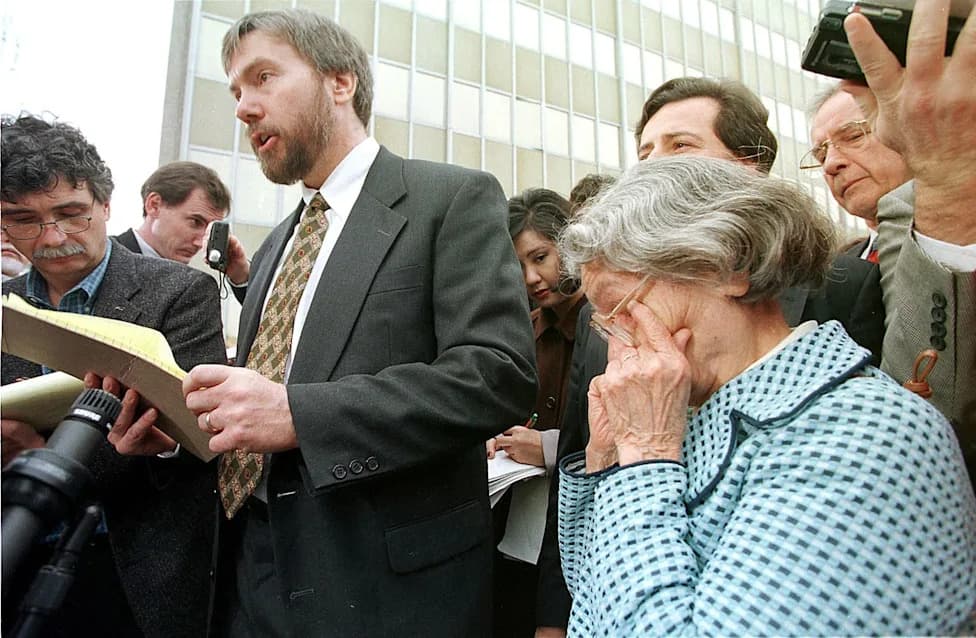
How the Unabomber's Family Identified HimRich Pedroncelli - Getty Images
In the summer of 1995, philosophy professor Linda Patrik was vacationing in Paris when she realized the voice in news reports about the Unabomber sounded eerily familiar: the same misanthropic, anti‑technology tone she'd seen in letters sent to her husband, David Kaczynski, by his brother, Ted Kaczynski.
Background
For 17 years someone had mailed or planted explosive devices across the United States, killing three people and injuring 23. The FBI had been unable to identify the perpetrator and in September 1995 — at investigators' urging — The Washington Post and The New York Times published the Unabomber’s 35,000‑word manifesto hoping a reader would recognize the author.
How the Family Recognized the Writing
Although Linda had never met Ted in person, she had read many of his letters to the family after David moved to New York to marry her. The manifesto’s language and its hostility toward technology matched passages from Ted’s correspondence. A distinctive phrase — "cool‑headed logicians" — and the writer’s argumentative voice prompted David and Linda to pull out Ted’s letters and compare them side by side with the manifesto.
Verification and the Decision to Tip Off Authorities
Unsure at first, the couple sought outside help. Linda asked private investigator Susan Swanson to review the letters without revealing their source; Swanson involved former FBI agent Clint Van Zandt, and two independent teams analyzed the texts. One team estimated roughly a 60% likelihood that Ted was the author; the other was more certain.

Ted Kaczynski's manifesto published inThe Washington Post.Evan Agostini - Getty Images
“It would be very, very difficult to live with myself knowing that I had delivered my injured, disturbed brother over to be killed.” — David Kaczynski (on opposing the death penalty for his brother)
David worried both about future victims and about exposing his brother to the death penalty. After seeking legal counsel, they decided to give Ted’s letters to the FBI.
Arrest and Evidence
FBI linguistic analysis concluded the manifesto and Ted’s writings were almost certainly by the same author. That evidence supported a search warrant for Ted’s remote cabin near Lincoln, Montana. On April 3, 1996, agents arrested Ted and seized bomb‑making materials, journals describing his crimes and a completed device ready to mail.
Aftermath and Legacy
Ted Kaczynski pleaded guilty in 1998 and received a life sentence. He later died in prison in 2023. Although David and Linda had been promised confidentiality, David’s role became public; the family faced intense media scrutiny. David lobbied the Justice Department not to seek the death penalty, arguing his brother suffered from serious mental illness and needed treatment rather than execution. He continued limited contact through letters and by providing commissary funds, though Ted refused visitation.
The Justice Department awarded David and Linda a $1 million reward for their assistance; after taxes and legal fees they directed the proceeds to victims through the Unabomb Survivors Fund. David later wrote a memoir, Every Last Tie: The Story of the Unabomber and His Family (2016), and became active in anti‑death‑penalty efforts. He has consistently credited Linda for recognizing the manifesto and prompting the tip that led to Ted’s capture.
Why It Matters
This case highlights how careful attention to language, combined with ethical deliberation and expert analysis, helped end a long‑running campaign of terror. The Kaczynskis’ choice illustrates the personal cost of confronting a loved one’s crimes and raises lasting questions about responsibility, mental health and justice.
Help us improve.