The US Embassy in Canberra has raised formal objections to Australia's draft "My Feed, My Way" bill, warning that mandated platform-design rules and vague definitions of "harm" could enable viewpoint-based censorship and have global effects. The proposal would require platforms to offer algorithm opt-outs and could fine firms about $72m (A$100m) for non-compliance. Prime Minister Anthony Albanese says the law is designed to return control to users, and Canberra will continue consulting before finalising the legislation.
US Flags Australia’s 'My Feed, My Way' Bill As Potential Censorship Risk
US says Australia’s proposed law to opt out of social media algorithm is ‘censorship’
The US Embassy in Canberra has lodged a rare, formal objection to Australia’s draft "My Feed, My Way" bill, warning that the proposal to give users an opt-out from algorithmic recommendations could, if drafted too broadly, amount to "censorship of protected speech." The Albanese government released the draft earlier this month and is now in a public consultation period before introducing the bill to parliament.
What the Bill Would Do
The proposal would require major social platforms to offer Australian users a clear choice to turn off algorithmic recommendations — for example, by presenting opt-out pop-up notices — and would allow users to view content in a purely chronological feed. Platforms that fail to show such notices to Australia’s more than 21 million social media users could face fines of around $72 million (A$100 million).
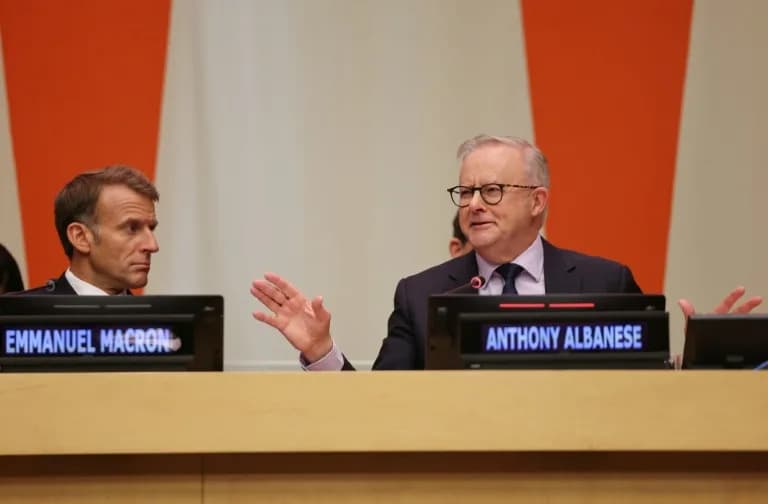
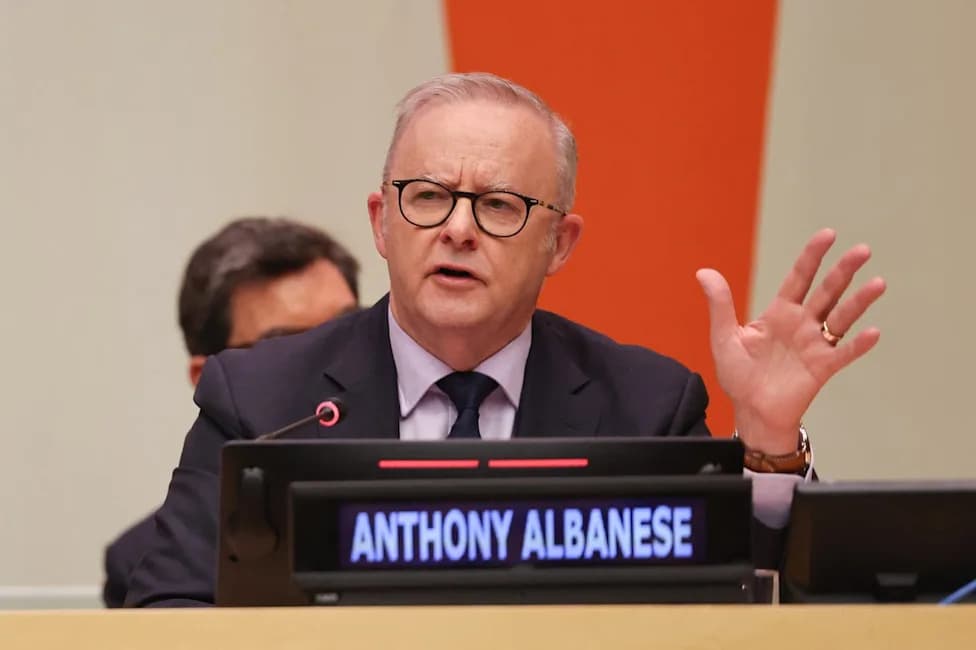
Australia's Prime Minister Anthony Albanese participates in the Coalition for the Rights and Protection of Children in the Age of Artificial Intelligence session on the sidelines of the 81st United Nations General Assembly at United Nations Headquarters in New York (AFP via Getty Images)
US Concerns
In its submission, the US government said it had "serious concerns about the Australian government's stated goal," arguing that some mandated design changes could impose "rigid, one-size-fits-all platform design requirements — such as forced chronological feeds or opt-in recommendation systems." The US cautioned that the bill's "vague definitions of 'harm'" might be used to justify viewpoint-based restrictions and could have cross-border effects on what users worldwide see, say and hear.
"Mandated platform design features, especially when applied to algorithms, may affect what users see, say, and hear not just in or from Australia, but globally," the US submission said.
Washington also warned the rules might unintentionally reduce the reach of independent journalists or voices covering sensitive or controversial topics. The submission said that if platforms are forced to filter or demote content to comply with a government mandate, the resulting loss of reach for disfavoured speakers could be "functionally equivalent" to removal — a change the US said it would likely view as facilitating censorship.
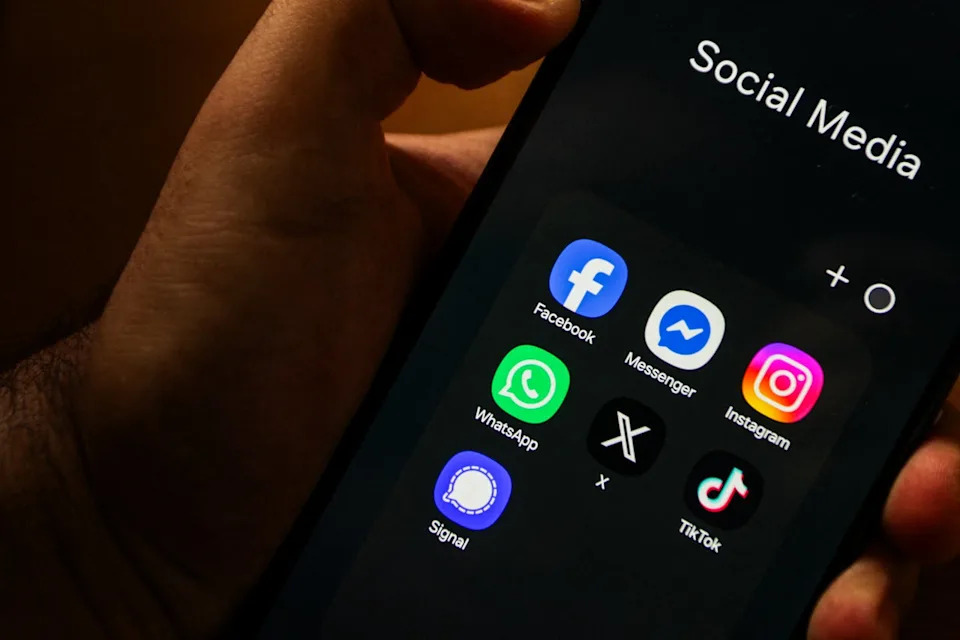
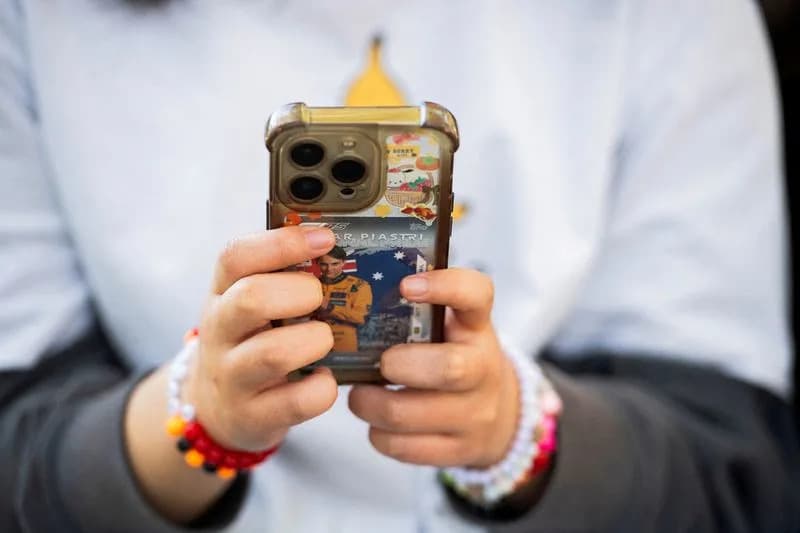
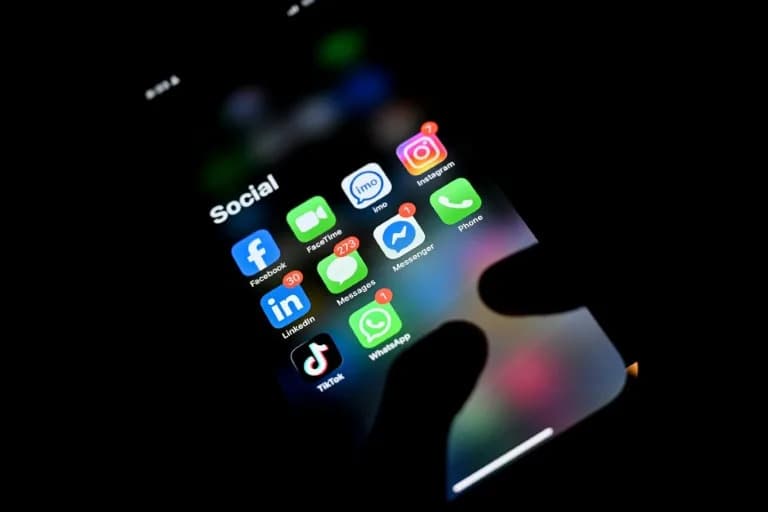
A close-up image of a hand holding a smartphone displaying social media applications (Hans Lucas/AFP via Getty Images)
Australia’s Response
Prime Minister Anthony Albanese, speaking in New York while attending UN General Assembly events, defended the draft law as a consumer-rights measure. He said the plan is "not about giving government control" but rather about "giving people back control over what they receive on their devices." The government says the rules aim to reduce unnecessary exposure to harmful content while preserving user choice, and it has pledged to "engage constructively" through the consultation process.
What Comes Next
The draft is under public consultation and may be revised before formal introduction in parliament. Observers say the debate highlights broader tensions between regulating platform design to protect users and preserving free expression and innovation. Tech companies, civil-society groups and foreign governments are expected to weigh in as Canberra finalises the legislation.
Help us improve.