A Lumina‑Gallup survey of nearly 4,000 students found that more than half used AI for coursework even when banned. This widespread AI outsourcing threatens learning by eroding critical-thinking skills and prompting faculty to limit meaningful, multi-draft writing. Writing centers—modest, student-staffed units—support slow, process-focused learning and help students build transferable skills; colleges should protect and expand them rather than replace human support with AI.
AI Isn’t Replacing Writing Centers — It’s Making Them More Essential
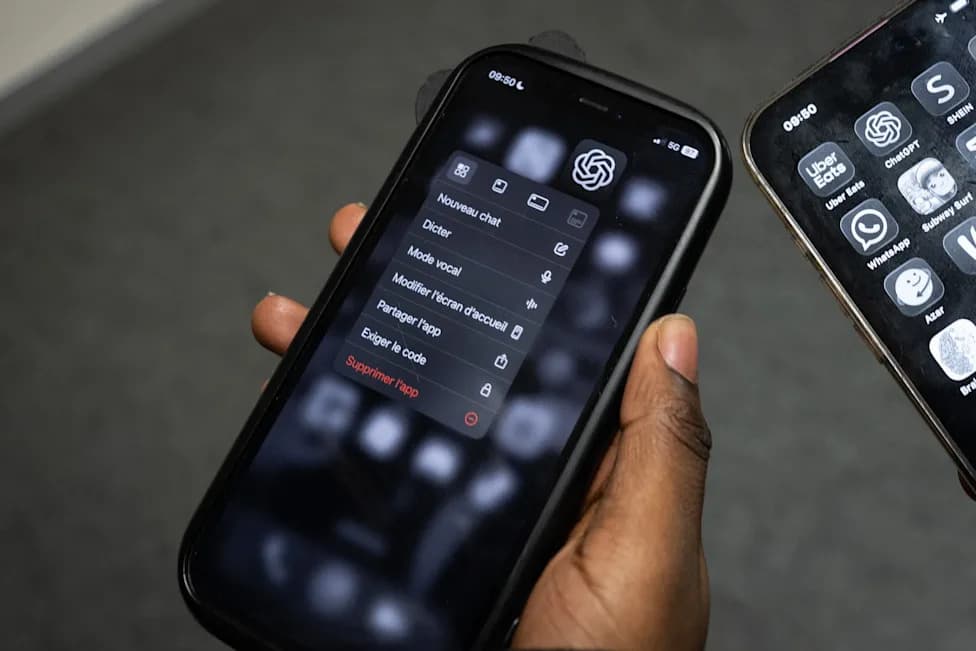
Students look at the ChatGPT app on their phones after an artificial intelligence (AI) class at the College Jean Mace in Mulhouse, on March 26, 2026. At a middle school in Mulhouse, artificial intelligence (AI) has been integrated into the classroom as part of an experiment aimed at helping students become comfortable with tools that many teenagers already use. (Photo by SEBASTIEN BOZON / AFP via Getty Images)
A specific crisis is gripping American higher education. A recent Lumina-Gallup survey of nearly 4,000 college students found that more than half reported using AI to assist with coursework even when its use was explicitly prohibited. Those numbers likely understate the problem. On many campuses, AI-enabled cheating now corrodes assignments, exams, and long-standing commitments to honor codes.
Why This Is a Learning Problem, Not Just an Ethical One
Relying on AI to do intellectual work is not only a moral issue; at scale it undermines learning. Research on cognitive offloading shows that delegating reasoning and problem solving to algorithms can weaken critical-thinking skills. Students who do not practice judgment and analysis while reading, researching, and composing miss key opportunities to internalize knowledge and develop durable intellectual habits.
How Faculty Are Responding — And Why That Harms Learning
Wary of widespread AI use, many instructors are shrinking or eliminating sustained writing assignments in favor of work that can be closely monitored. Timed, in-class blue-book exams are returning; long-form, multi-draft essays are at risk. This shift treats surveillance as a substitute for pedagogy and sacrifices the formative benefits of revision, feedback, and time-on-task.
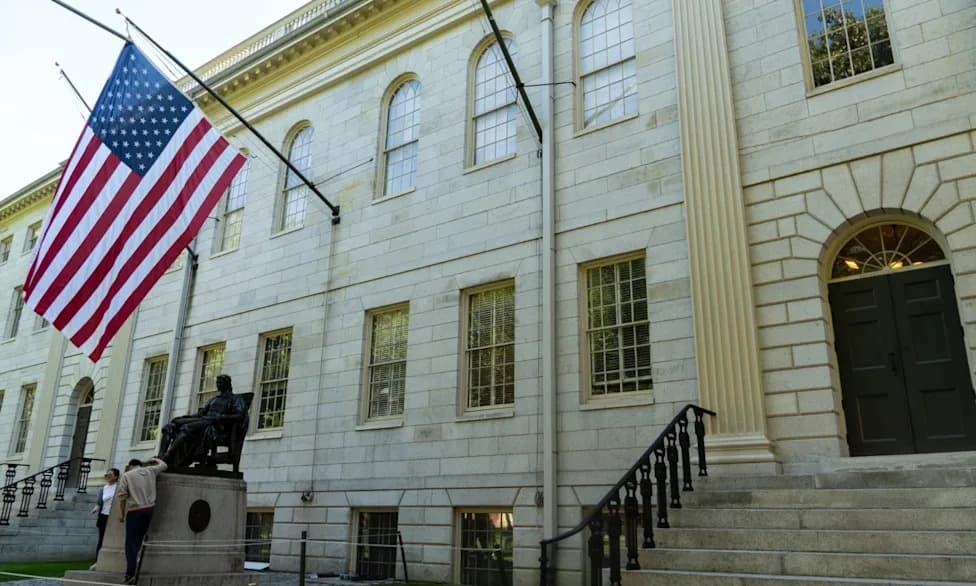
Harvard College recently dismissed its writing center director and disbanded the writing center as a freestanding unit. That move signals a diminished institutional commitment to writing development and may set a worrying example for other campuses.
The Case For Writing Centers
Writing centers are the campus units explicitly devoted to supporting all student writers. Usually modest in budget and staffed by trained student consultants, they require little more than space and supervision. That modesty is their strength: it keeps writing human-sized, focused on individual learners, and centered on process rather than purely on product.

Elizabeth Hutton
In tutorial sessions, consultants and writers read, draft, and puzzle together over difficulties and breakthroughs. Those conversations provide motivation, concrete guidance, and the patient attention learners need to persist. Where AI emphasizes speed and opaque outputs, writing centers emphasize deceleration and transparency: the slow, recursive work that research shows produces durable learning.
Learning Beyond Composition
Writing practice builds more than better prose. It cultivates discipline, precision, patience with open problems, and the ability to communicate complex ideas across audiences. These are transferable skills that strengthen classroom learning across disciplines and support faculty teaching goals.
A Practical Recommendation
Colleges should protect and invest in writing centers rather than disband them in the rush to adopt AI programming. Individualized, human support—low-cost, scalable, and pedagogically rich—offers the best defense against the outsourcing impulse encouraged by generative AI. The future we want places students, and their learning processes, at the center of education—not machines.
Lizzie Hutton is an associate professor of English at Miami University (Ohio) and director of the Howe Writing Center. This piece originally appeared in the Cincinnati Enquirer.
Help us improve.