Canada announced a $71.4 million aid package for Palestinians on Sept. 22, allocating $56.8 million for humanitarian relief and $14.2 million for peace and security capacity-building, including West Bank police training. The pledge was made at the U.N. General Assembly ahead of a meeting with France, Britain and U.N. Secretary-General António Guterres focused on preserving a two-state outcome. The move follows a trilateral plan to ban imports from Israeli settlements after Israel advanced the contested E1 project, which critics say would undercut the territorial contiguity needed for a viable Palestinian state. Guterres warned that settlement expansion is eroding the conditions for an independent Palestinian state and urged concrete action.
Canada Pledges $71.4M to Palestine to Bolster Two-State Prospects
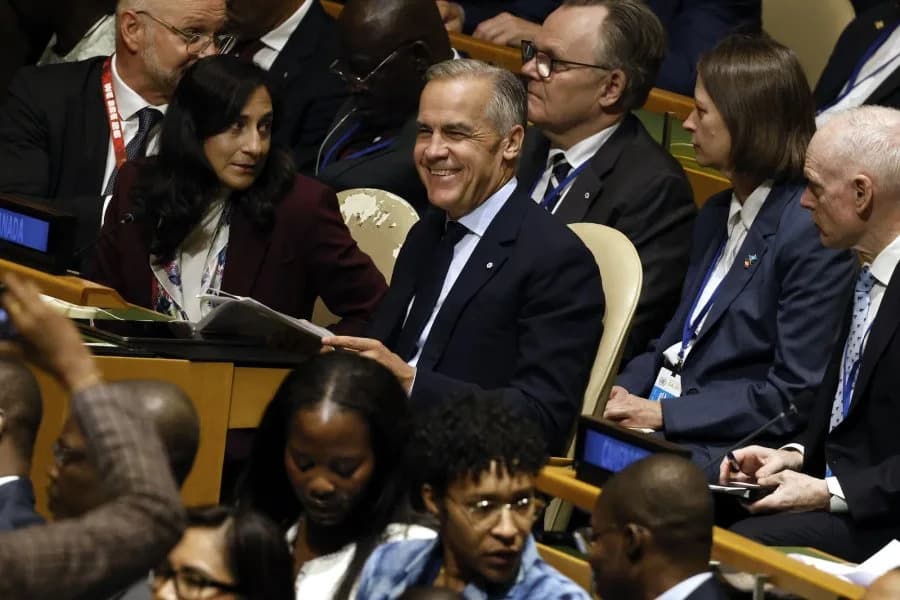
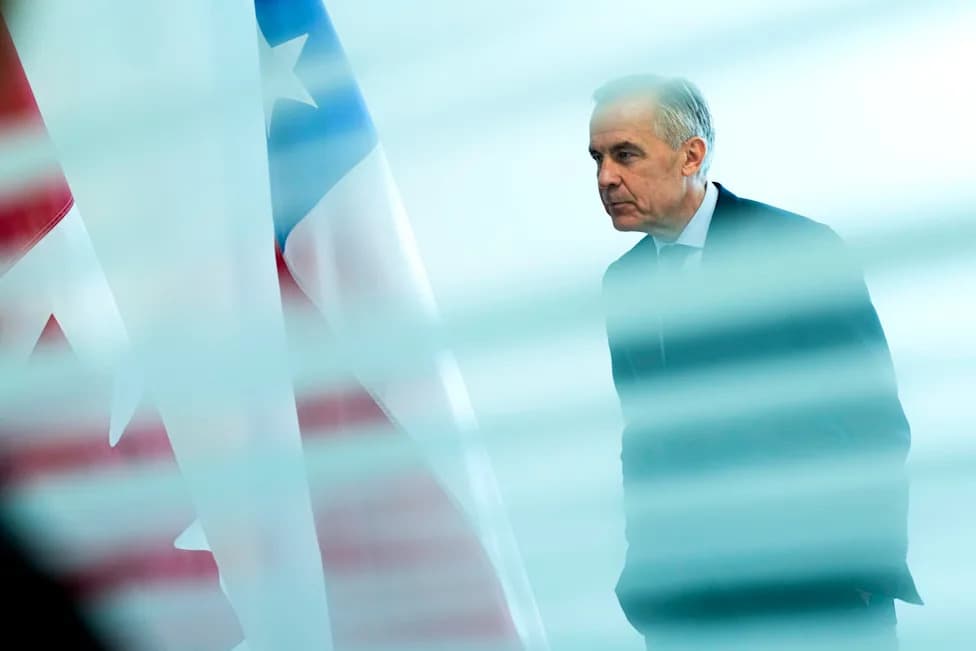
Sept. 22 (UPI) — Canadian Prime Minister Mark Carney announced a $71.4 million assistance package for Palestinians on Tuesday, framing the funding as part of a broader effort to preserve the possibility of a two-state solution amid expanding Israeli settlements in the occupied West Bank.
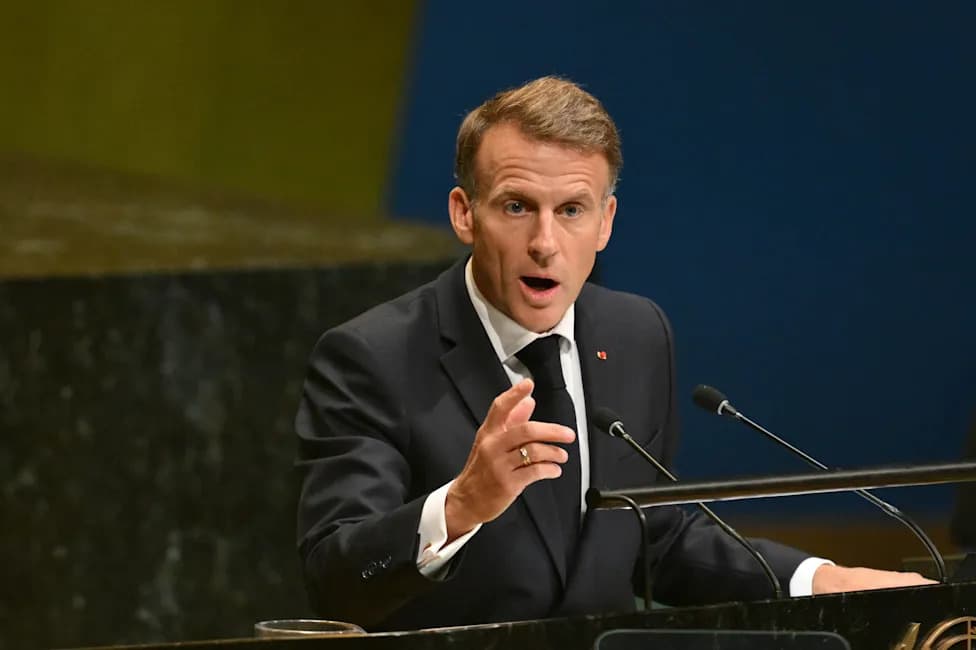
Carney made the pledge during a press briefing on the sidelines of the U.N. General Assembly and ahead of a meeting he co-hosted with France, Britain and U.N. Secretary-General Antonio Guterres that focused on the two-state solution and on implementing a U.N. Security Council resolution calling for broad humanitarian access to Gaza.
Aid Breakdown
Of the $71.4 million announced, $56.8 million is earmarked for humanitarian assistance and $14.2 million is designated for peace and security capacity-building, including police training in the occupied West Bank.
Diplomatic Context
Carney said, “In Gaza immense human suffering continues. Next door, Israelis continue to live with existential threats from Hamas and from Iran and its proxies.” He warned that a long-standing international consensus supporting a two-state outcome will mean little if current trends persist, and said Canada is acting to help change that trajectory.
The announcement comes as Ottawa has intensified diplomatic efforts to protect the two-state framework since Carney assumed office in March 2025, with much of that work focused on preserving the West Bank as Palestinian territory and opposing settlement expansion that many international bodies consider unlawful.
E1 Settlement and International Reaction
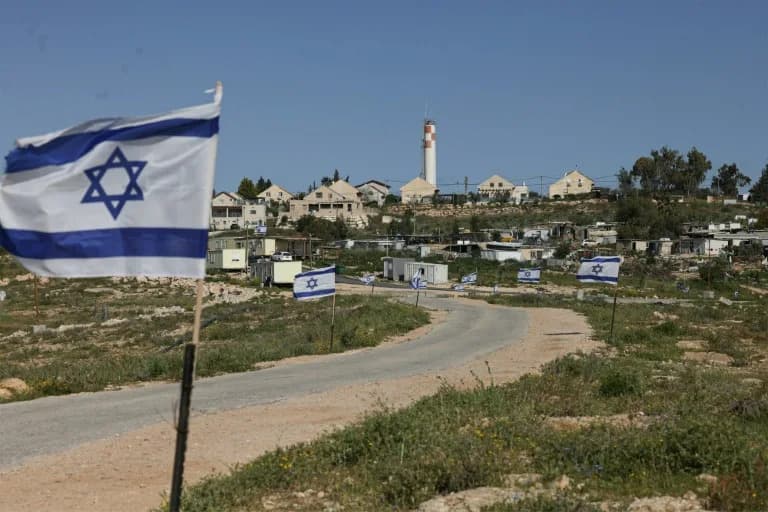
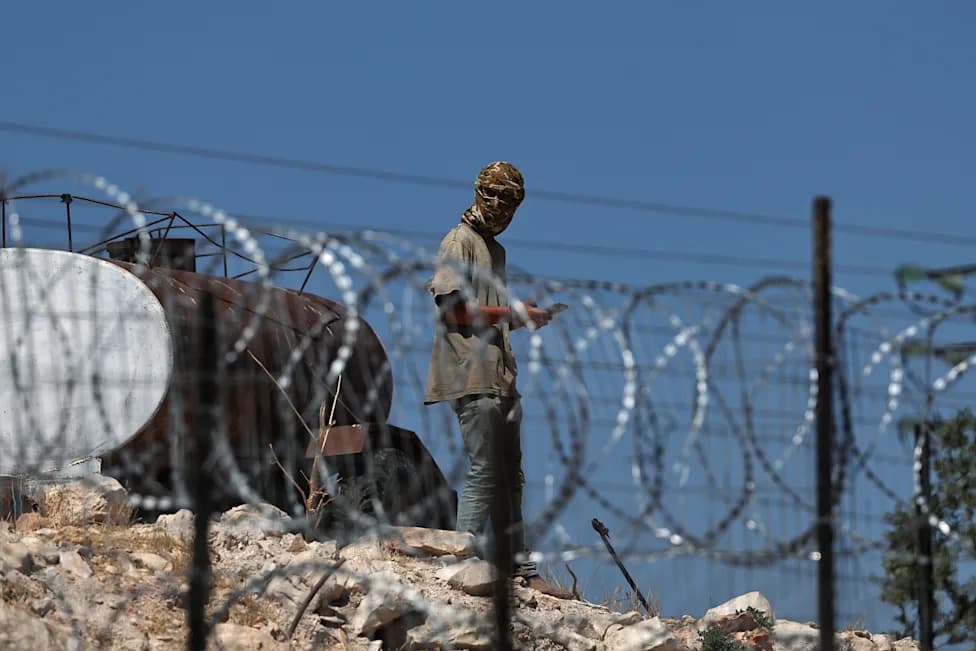
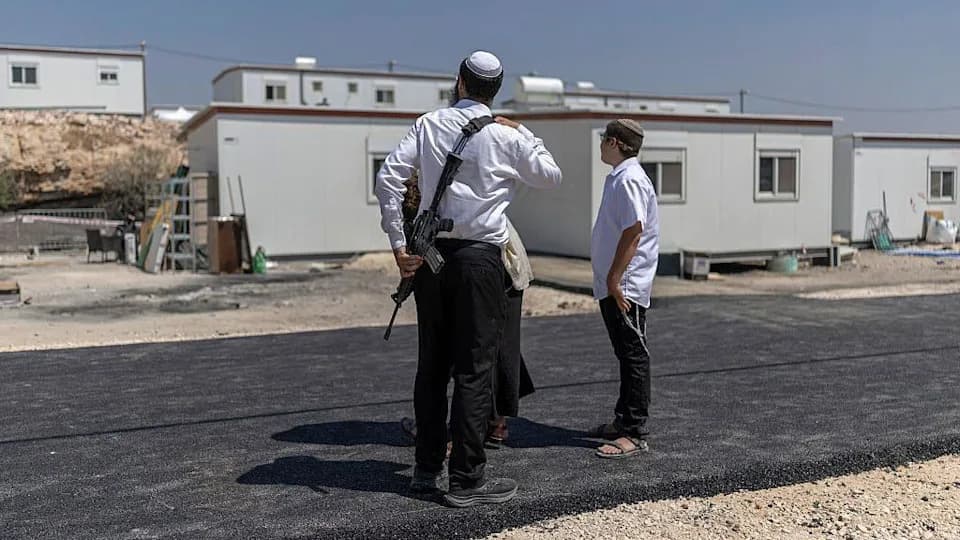
Two weeks earlier, Canada, Britain and France announced plans to ban imports originating from Israeli settlements in the occupied Palestinian territories. That decision followed Israel’s mid-August solicitation of tenders for 1,234 housing units in the contested E1 settlement project — a development critics say would split the West Bank and undermine the territorial contiguity necessary for a future Palestinian state.
“The conditions for an independent, democratic, contiguous, viable and sovereign Palestinian State are being systematically erased,” U.N. Secretary-General António Guterres said at the meeting following the press briefing. “There is simply no alternative. Time is running out.”
Carney described Israel’s endorsement of the E1 plan as a “direct threat to peace” and said Canada and its partners reluctantly decided to limit goods from West Bank settlements as a pragmatic action to help preserve the possibility of a two-state solution.
What This Means
The funding targets immediate humanitarian needs in Gaza and supports longer-term capacity-building in the West Bank. The diplomatic moves by Canada and European partners signal an effort to combine aid with policy measures aimed at preventing further unilateral steps that could preclude a viable, contiguous Palestinian state.
Note: The name and office of the official who announced this package appear in multiple reports; this draft retains the name as reported but flags the identity for factual verification where required.
Help us improve.