Researchers report fossilized regurgitates from Jurassic North Sea drill cores that resemble modern owl pellets and are rich in shell fragments. After comparing composition and nearby fossils, paleontologist Dirk Knaust ruled out other predators and concluded plesiosaurs are the most likely source. He suggests these marine reptiles may have rested in shallow waters and regurgitated indigestible shells while submerged. The study appears in Geological Magazine and highlights regurgitalites as a valuable, underused record of ancient diets and behavior.
Jurassic 'Owl Pellets' Reveal Plesiosaurs Regurgitated Indigestible Shells
Some of the pellets are the size of mangoes.
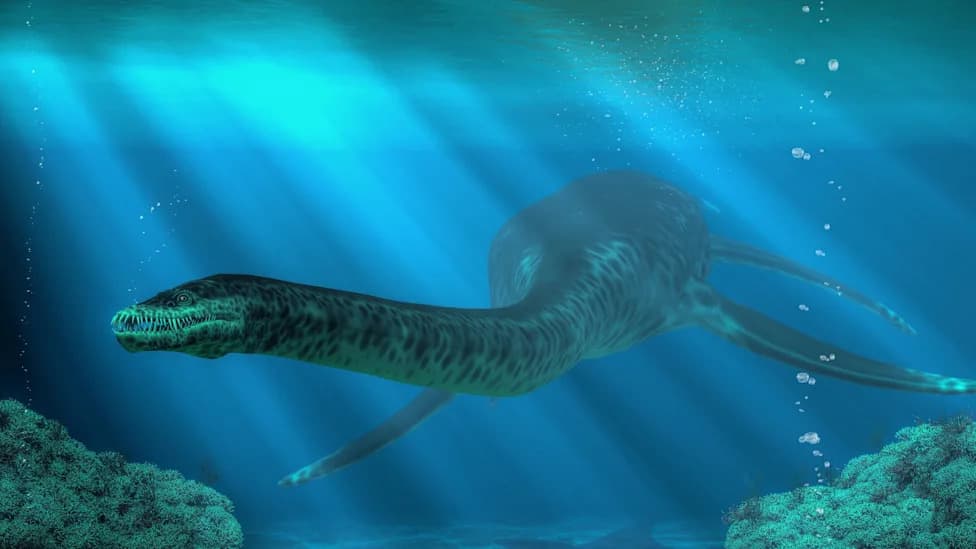
New research published in Geological Magazine presents evidence that long-necked plesiosaurs swallowed large amounts of shell-bearing prey and later regurgitated indigestible fragments—leaving fossilized "pellets" similar to modern owl regurgitates.
Paleontologist Dirk Knaust analyzed more than 20 fossil regurgitates (regurgitalites) recovered from North Sea drill cores in deposits that once formed a Jurassic river delta. Many of the specimens—some about the size of a mango—are dominated by fragments of bivalves, cephalopods and tubular worms rather than bones.
These shell fragments presented a puzzle: the species represented are typical of saltier, open-ocean environments, not the delta where the fossils were found. Nearby discoveries, including a fossilized bone and several coprolites, initially suggested the presence of ichthyosaurs (dolphin-like marine reptiles), but further comparison of composition, density and size across the material led Knaust to eliminate other candidates.
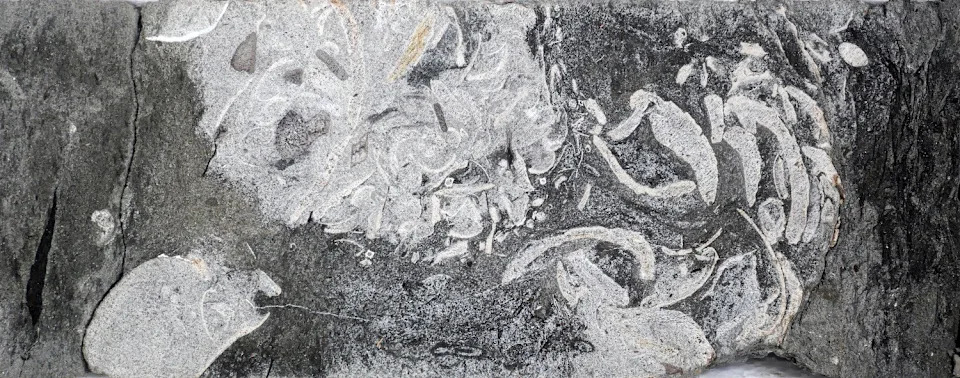
Drill core image of 160-million-year-old delta sand containing a clump of shells and plant remains, interpreted as plesiosaur vomit. Credit: Dirk KnaustDirk Knaust
Why Plesiosaurs Are the Best Match
After ruling out ichthyosaurs and ancient crocodiles—whose coprolites and feeding signatures differ—Knaust concluded that plesiosaurs best match the size and feeding behavior implied by the regurgitalites. Plesiosaurs were marine reptiles that existed for more than 140 million years from the Middle Jurassic into the Early Cretaceous (roughly 174–100 million years ago). Individuals ranged from about 6.5 to 43 feet long (approximately 2 to 13 meters), with long necks and flippered bodies suitable for hunting fish, cephalopods and sometimes foraging on the seafloor for shellfish.
How the Behavior May Have Worked
Knaust proposes that plesiosaurs occasionally moved into shallower coastal or deltaic waters to rest or sleep after feeding and then regurgitated the indigestible shell fragments. Unlike modern fur seals or marine crocodiles that haul out onto land to spit up pellets, plesiosaurs’ body mass and anatomy suggest they likely remained submerged while disgorging such material.
“There has been a lot of research into fossilised vomit over the last decade but most of it has focused on vertebrates eating other vertebrates,”
—Dirk Knaust
Fossilized regurgitates like these—regurgitalites—offer a rare glimpse into the diets and behavior of extinct marine predators, complementing information from bones, teeth and coprolites. Knaust emphasizes that this line of evidence is still developing and that many more insights may come from carefully examining what extinct animals expelled after meals.
Image note: A drill-core image shows a 160-million-year-old delta sand layer containing a clump of shells and plant remains interpreted as a regurgitate (credit: Dirk Knaust).
Help us improve.