Photographer Leo Correa documents a tense evening in Taybeh: the Kaabneh family watches from behind a newly reinforced barbed-wire fence as settlers patrol nearby. Nayef Kaabneh uses a flashlight and his phone to track and record the intrusions, while activists stay close to offer protection. The image — shot with a 35 mm Zeiss at f/1.6 — leaves the settlers off-frame but strongly suggests their presence, reflecting a broader rise in settler violence since Oct. 7, 2023.
Flashlight Against the Shadows: Photographer Captures West Bank Family's Nightly Vigil
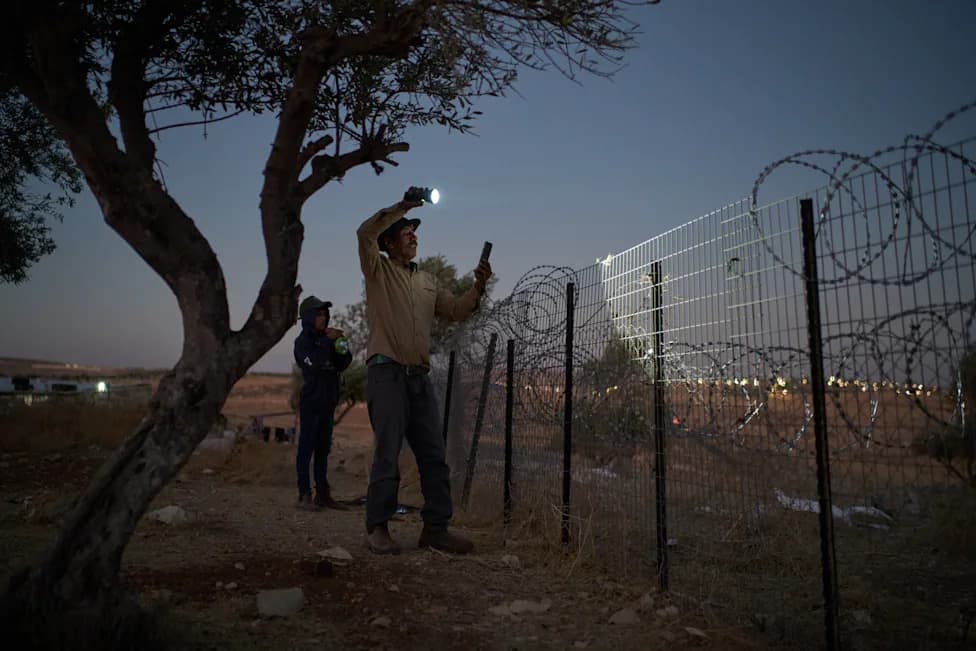
Nayef uses a flashlight after spotting Israeli settlers outside his Palestinian-Bedouin family's house on the outskirts of the West Bank town of Taybeh, Thursday, Sept. 10, 2026. (AP Photo/Leo Correa)
TAYBEH, West Bank — A single photograph by Associated Press photographer Leo Correa captures a household on constant alert: a man holding a flashlight and a phone while a barbed-wire fence slices across a fading sky. The image documents a moment of everyday vigilance for the Kaabneh family as Israeli settlers patrol just beyond view.
Correa first visited the family in July while reporting on life near Israeli outposts outside Taybeh. At that time, settlers had already entered the family's courtyard and loitered beside the fence, filming and speaking on their phones. Activists and volunteers frequently remain nearby as a protective presence.
That Night in September
On Sept. 10, during follow-up coverage of escalating violence in the Palestinian territories, Correa returned to the same home. The family had reinforced their boundary with a barbed-wire fence to deter incursions. Each morning and evening settlers routinely walk around the house, often filming with phones and coming as close as possible. The Kaabnehs record these encounters to build a visual record and to assert their rights.
"Like shadows at dusk, settlers walked around the house again," Correa wrote. Nayef Kaabneh picked up a flashlight to track their movements while he simultaneously filmed them on his phone. He moved through the courtyard with his nephew Muhammad at his side, scanning the horizon and the screen to ensure the encounter was documented.
"I think the image works because it makes you question what is going on," Correa said, describing the photograph's low-angle framing that emphasizes the fence against the fading sky. He shot the scene with a 35 mm Zeiss lens at f/1.6.
Context
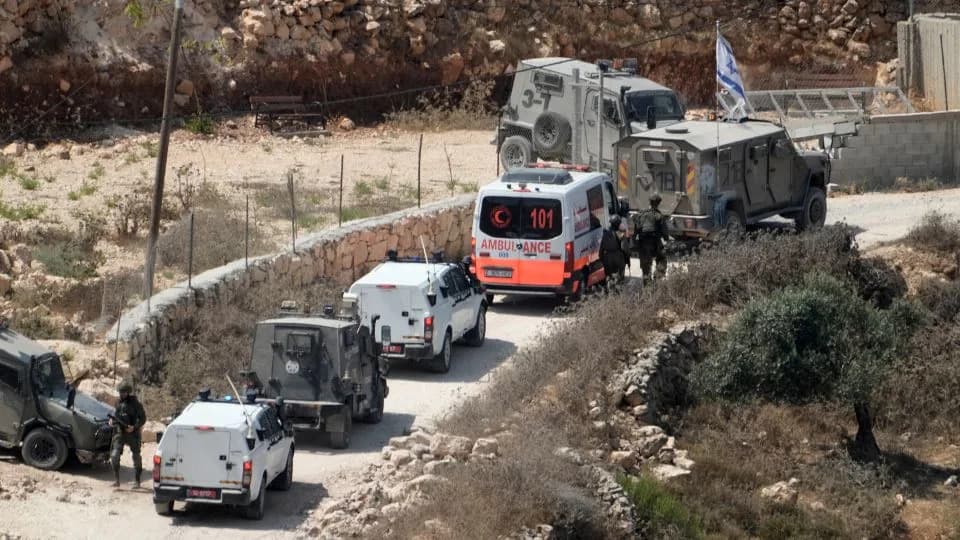
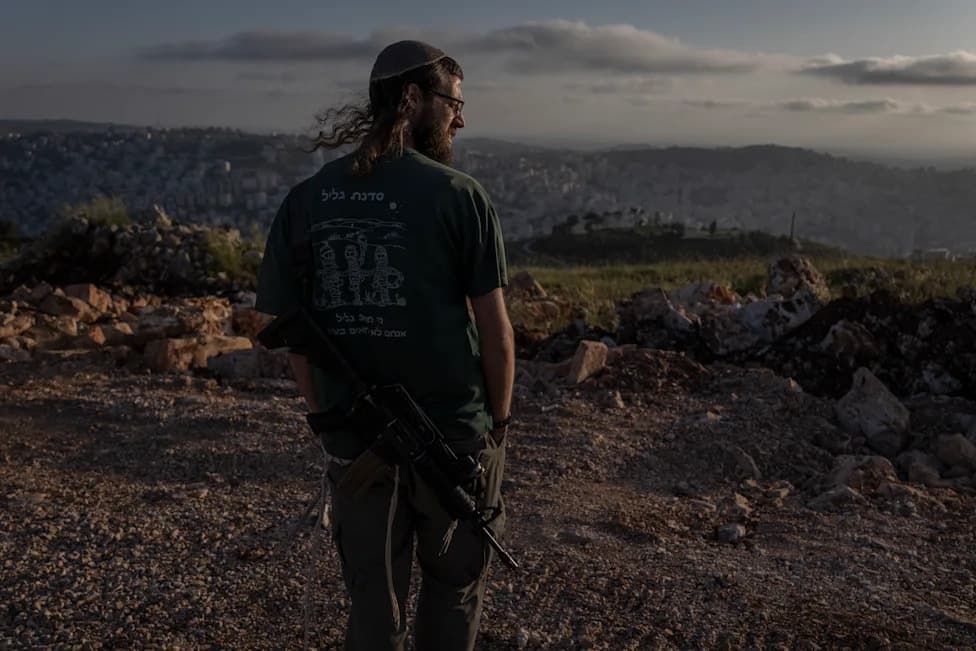
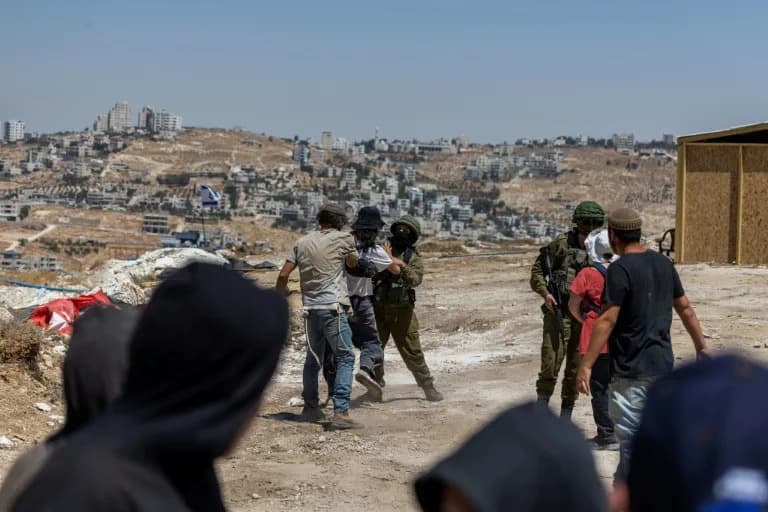
Settler violence has increased across the Israeli-occupied West Bank since the Oct. 7, 2023 Hamas attack, accompanied by repeated military raids. Israel captured the West Bank in the 1967 Mideast war and has since established dozens of settlements that now house more than 500,000 Jewish settlers living alongside roughly 2.5 million Palestinians. The United Nations and much of the international community regard the West Bank as occupied territory and view the settlements as an obstacle to peace.
Human rights groups say the Israeli military sometimes turns a blind eye to settler attacks, and commentators note that recent political shifts have emboldened some settlers. Israel's defense minister has announced plans to clarify law enforcement responsibilities, transferring certain policing duties for settlers to Israeli police.
About the Photographer
Leo Correa began working with The Associated Press as a freelancer in Brazil in 2013, later moved to Senegal in 2020, and has undertaken extended assignments in Ukraine. He joined AP's Israel staff after the Oct. 7, 2023 attack and became a staff photographer the following year.
Photographing everyday life under the shadow of settler patrols remains central to reporting on the tensions that affect Palestinian families in the West Bank.
Help us improve.