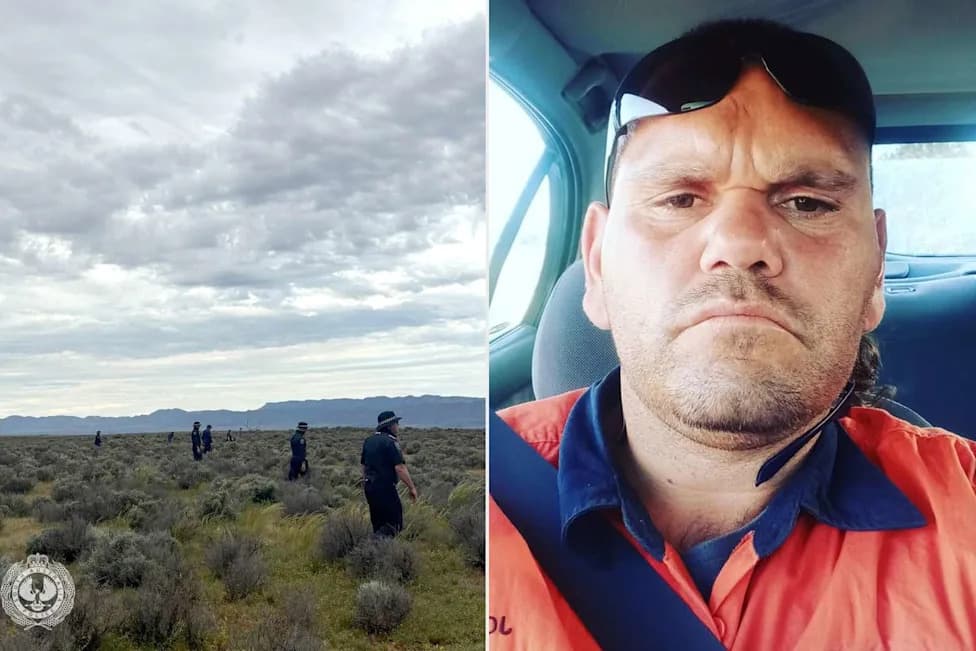
One year after four-year-old Gus Lamont disappeared from Oak Park Station in South Australia's outback, investigators have found no physical trace. A vast multi-agency search — including ground teams, drones and very-high-resolution aerial imagery analysed by AI — covered hundreds of square kilometres but produced only inconclusive leads. Police later treated the case as a "major crime" and focused inquiries on family members; forensic checks of seized items have not yielded fresh lines of inquiry. Searches continue and authorities urge anyone with information to come forward.
One Year On: The Unsolved Disappearance of Four-Year-Old Gus Lamont From Oak Park Station
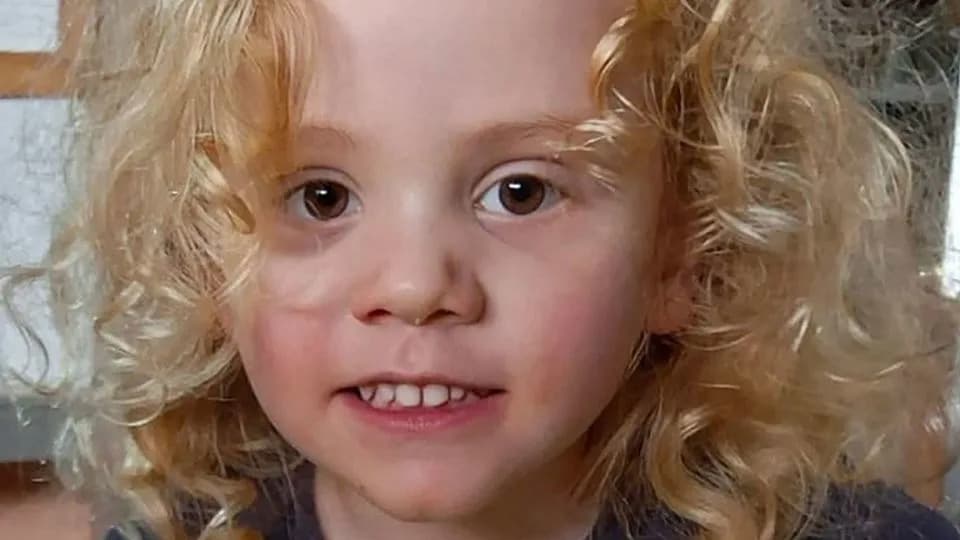
An undated photo released by police shows four-year-old Gus Lamont, who went missing from his family's farm in South Australia in late September 2025. - South Australia Police/Handout/AFP/Getty Images
One year after four-year-old Gus Lamont vanished from the fenced front yard of his grandparents' remote sheep station, there are still no definitive clues to explain what happened. The boy disappeared while playing outside the homestead at Oak Park Station in South Australia on September 27, 2025, triggering the largest search operation in the state's history — and yet investigators have found no trace of him.
What Happened
Gus was wearing a gray sun hat, a blue Minions T-shirt and small boots when he was last seen playing in the sand outside the family home. His grandmother went to check on him and found him missing. The property is isolated — roughly 30 miles from the nearest town and about 150 miles north of Adelaide — with long dirt tracks and locked gates that make access challenging for outsiders.
Massive, Multi-Agency Search
Hundreds of personnel from police, the military and volunteer teams scoured the area on foot and by vehicle. Investigators drained three dams, inspected six mineshafts, searched buildings and deployed drones with infrared and specialist cameras. At one stage the ground-search radius covered roughly 3.4 miles and the aerial search area was later expanded to about 706 square kilometres (273 square miles).
Authorities also commissioned very high-resolution aerial imagery from Nearmap. Those photos were examined by the AI firm Sci-eye, which flagged 15 inconclusive objects for police review but found nothing that could be linked to Gus. Detectives say the technology has limits: dense scrub, shadows and children hiding beneath bushes can obscure aerial detection.
Investigative Focus and Forensic Work
Five months after the disappearance, South Australia Police announced the case was being treated as a "major crime." Investigators focused initially on three family members who were at the property that day — Gus' mother and his maternal grandparents. Police later said they had ruled out the parents and were investigating inconsistencies in the accounts provided by family members; media reports and public discussion have concentrated scrutiny on one grandparent, who has publicly denied any wrongdoing.
Detectives seized a vehicle, a motorcycle and electronic devices in January; forensic testing of those items had not produced new lines of inquiry as of May. Police have not publicly named a suspect and declined to confirm whether any family member had been formally designated as such, citing an active investigation.
Theories, Wildlife And Local Context
Local speculation has ranged widely — from accidental wandering and wildlife attack to the possibility someone known to the family being involved. Experts say some theories are unlikely: raptor specialists note wedge-tailed eagles are far too light to carry a child, while dingo attacks, though documented historically in Australia, were not confirmed in the search area. Sci-eye's aerial analysis also did not detect feral pigs or other scavengers in numbers that would likely reveal a human body.
"When we don't find anything at all, then we've got to start thinking: Are they actually here? Were they missing in the first place?" — Retired Senior Sergeant Jim Whitehead, search-and-rescue expert.
Searches Continue
Search teams returned after heavy spring rains in the hope that water or vegetation changes might reveal new evidence, and Nearmap took a fresh set of images that are again being analysed. Family members, including Gus' parents, have kept a low public profile but issued a plea for information: "Even the smallest detail could give us the answers we so desperately need. All we want is to bring Gus home and understand what happened to our beautiful boy."
What Is Known — And Not Known
Despite exhaustive efforts — ground searches across vast terrain, specialist aerial imaging analysed by AI, forensic testing of seized items and continued follow-up searches — investigators have yet to find physical evidence such as clothing, footprints or remains that explain Gus' disappearance. The absence of physical clues both deepens the mystery and has led police to re-examine every possibility, including whether the child was ever in the areas searched.
Note: This account synthesizes public statements from South Australia Police, media interviews with family members and expert commentary published since the disappearance. The investigation remains active and authorities have urged anyone with information to contact police.
Help us improve.