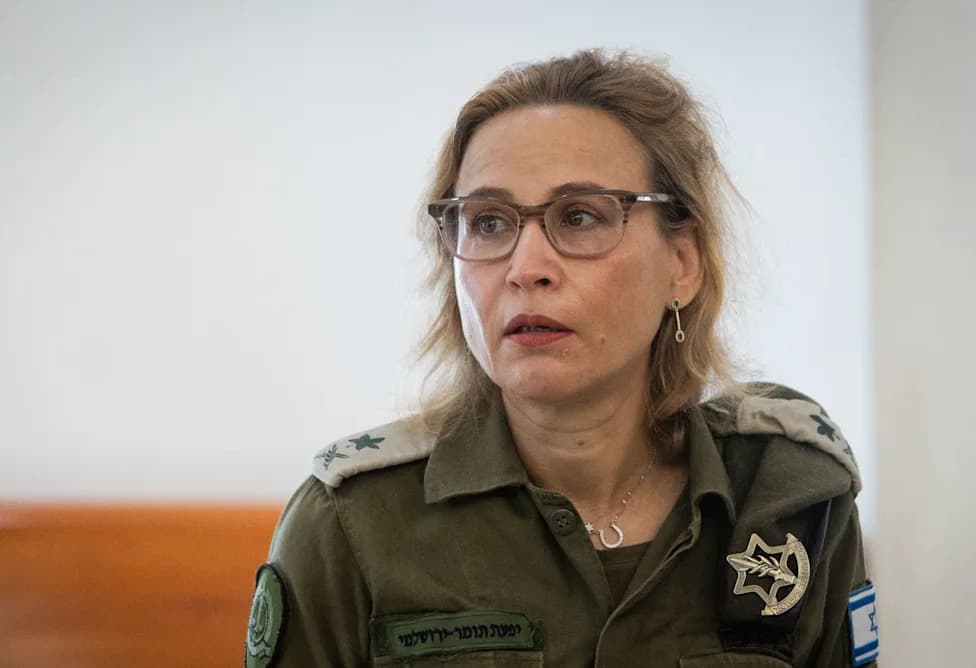
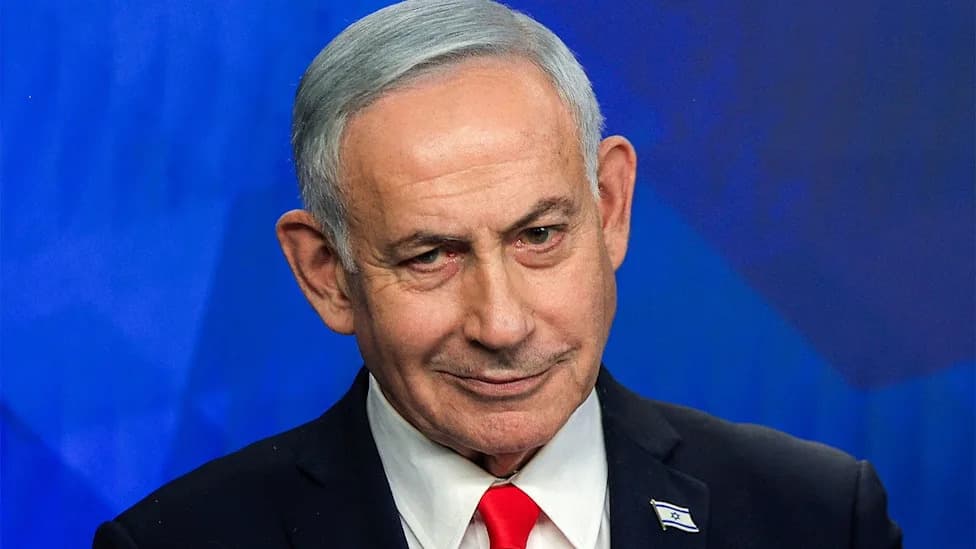
President Isaac Herzog has shortened the erasure period on Elor Azaria's criminal record, effectively clearing the former soldier convicted of killing a wounded Palestinian in Hebron in 2016. The decision, requested by Defence Minister Israel Katz and framed "in the spirit" of Yom Kippur, proceeded despite objections from military leaders who say Azaria has not shown remorse. The case revived intense domestic debate and international criticism, with the UN and the US government previously condemning the killing.
Herzog Clears Elor Azaria’s Record After 2016 Hebron Killing, Igniting Military and International Criticism
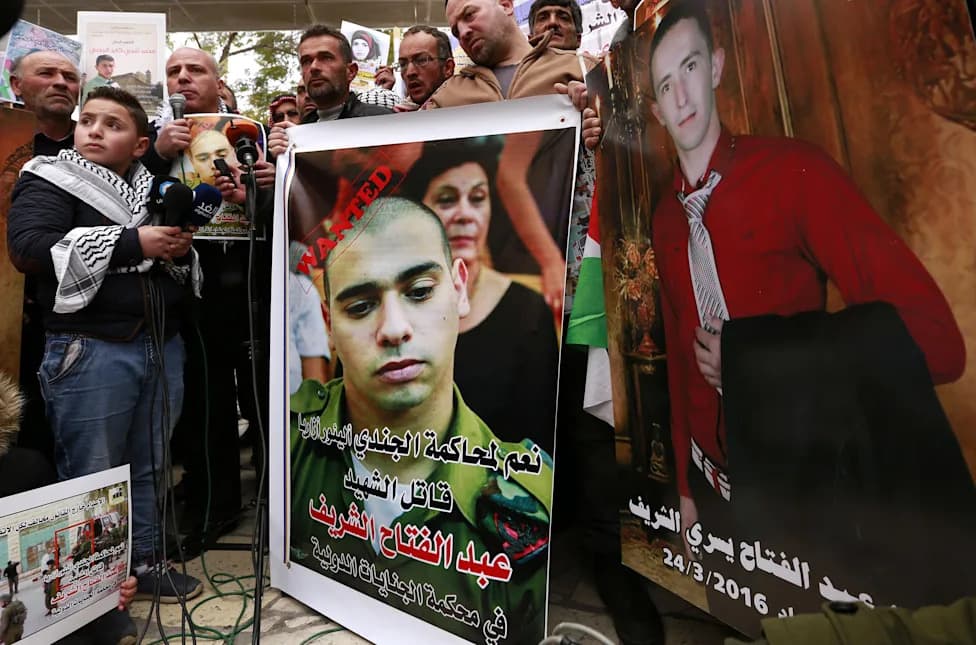
Palestinians in Hebron hold placards against Israeli Sergeant Elor Azaria, who shot and killed an injured Palestinian man (seen in picture on right) [Abed al Hashlamoun/EPA]
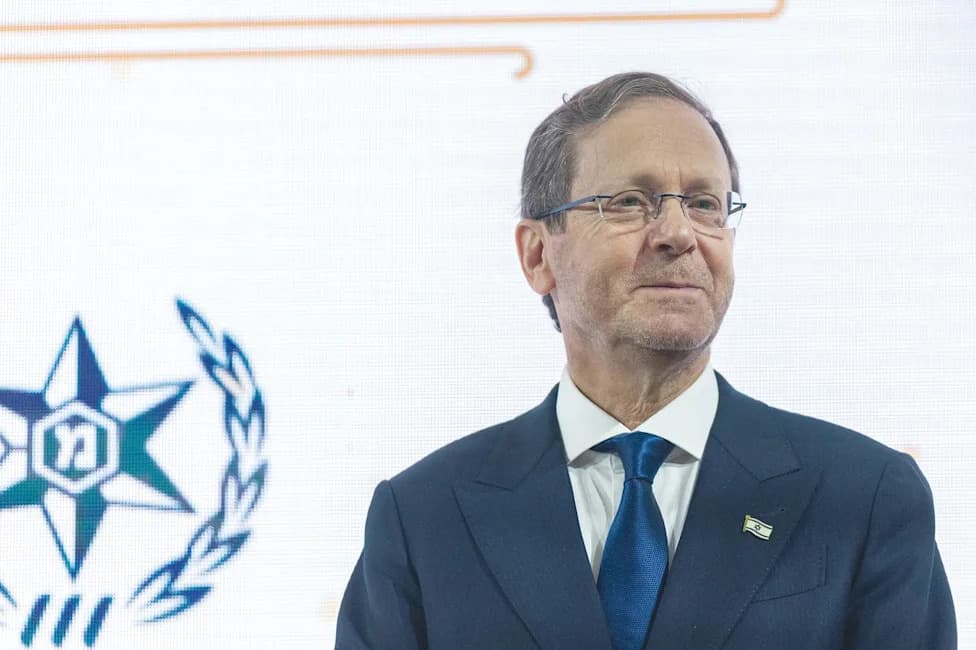
Israeli President Isaac Herzog has shortened the remaining erasure period on the criminal record of Elor Azaria, the former soldier convicted in the 2016 killing of a wounded Palestinian in Hebron, effectively clearing the conviction. The move was announced by the president's office on Saturday and followed a request from Defence Minister Israel Katz.
Details of the Case
Azaria, who served as an army medic at the time, was filmed shooting Abdel Fattah al-Sharif in the head in March 2016. Al-Sharif had stabbed and wounded a soldier earlier but had already been shot by Israeli troops and lay on the ground for about 11 minutes before Azaria fired the fatal shot.
A military court found Azaria guilty of manslaughter in 2017 and sentenced him to 18 months in prison, later reduced to 14 months. He was released in May 2018 after serving nine months.
Official Justification
Herzog's office said the decision followed Katz's July request and was based on "the passage of time, the completion of his sentence, and the remorse he has expressed." The statement added the pardon was issued "in the spirit" of Yom Kippur, the Jewish Day of Atonement, and maintained that it did not overturn or challenge the original legal proceedings.
Military Objections and Reactions
In a letter to the defence minister, Chief of Staff Lt.-Gen. Eyal Zamir and other senior officers argued that Azaria "has refrained from expressing remorse and taking responsibility for his actions, even a decade after his conviction."
The military publicly opposed the move, and senior officers urged against early erasure because of what they described as a lack of contrition.
Domestic and International Response
Defence Minister Israel Katz welcomed the decision on X, saying it "sends an important message to [Israeli army] soldiers and their families: We do not abandon our fighters." Far-right National Security Minister Itamar Ben-Gvir called the move "deeply moving" and urged Herzog to grant a similar pardon to Prime Minister Benjamin Netanyahu, who faces separate corruption trials.
The shooting generated intense debate in Israel at the time and drew international condemnation. The Palestinian Ministry of Foreign Affairs called the killing an "extrajudicial execution" and a "war crime," and the family of Abdel Fattah al-Sharif described the legal process as a "farce" aimed at improving Israel's image rather than delivering justice.
The United Nations human rights office described the original sentence as "excessively lenient" and warned it risked "reinforcing the culture of impunity." In 2024, the Biden administration barred Azaria and his immediate family from entering the United States, citing the incident as an "extrajudicial killing."
What This Means
The president's decision has reopened a sensitive national debate over military ethics, accountability and clemency. Supporters say it offers a chance for rehabilitation and closure for a soldier; critics say it risks undermining legal accountability and international standards on use of force.
Help us improve.